DISCOVER QUEEN ELIZABETH NATIONAL PARK

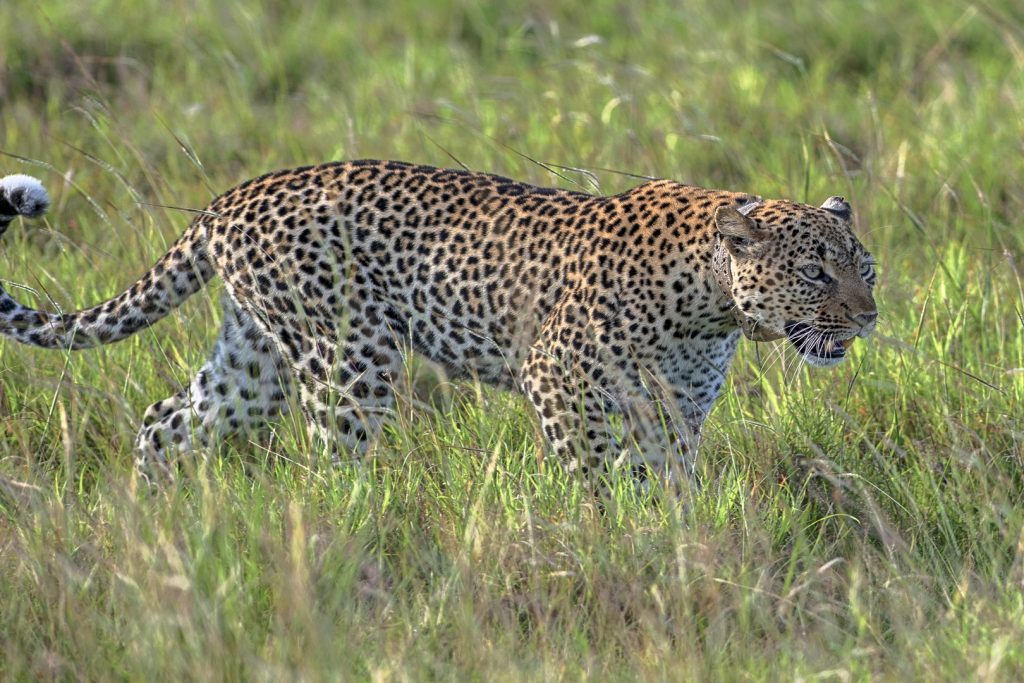
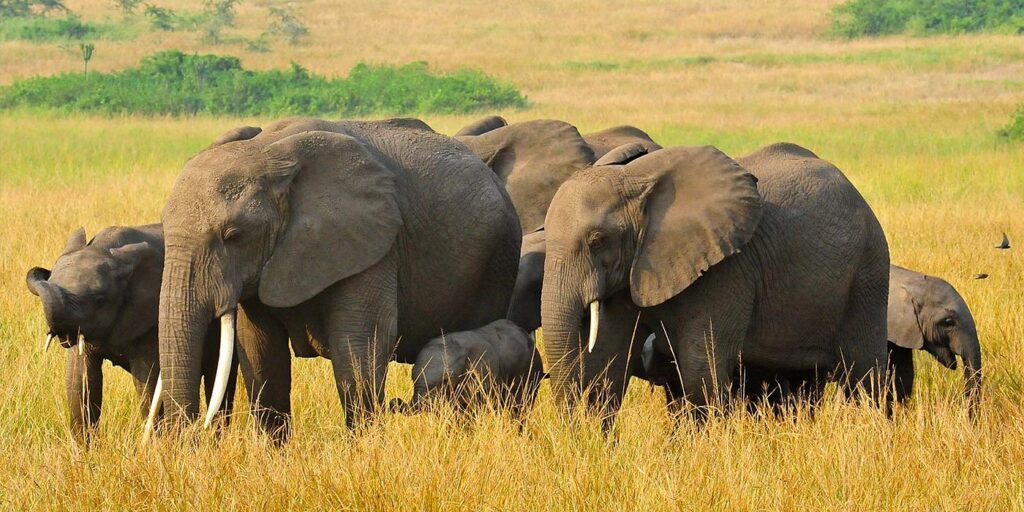
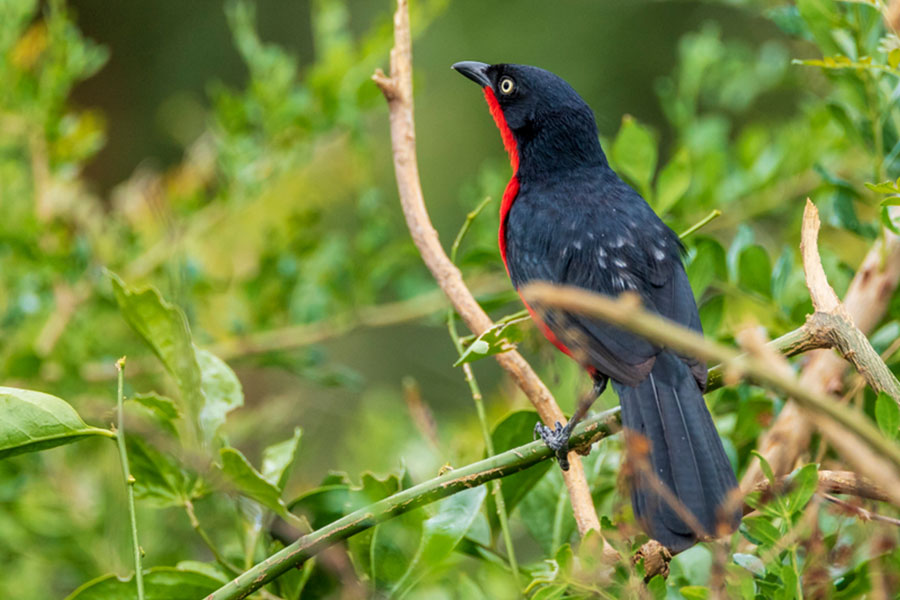
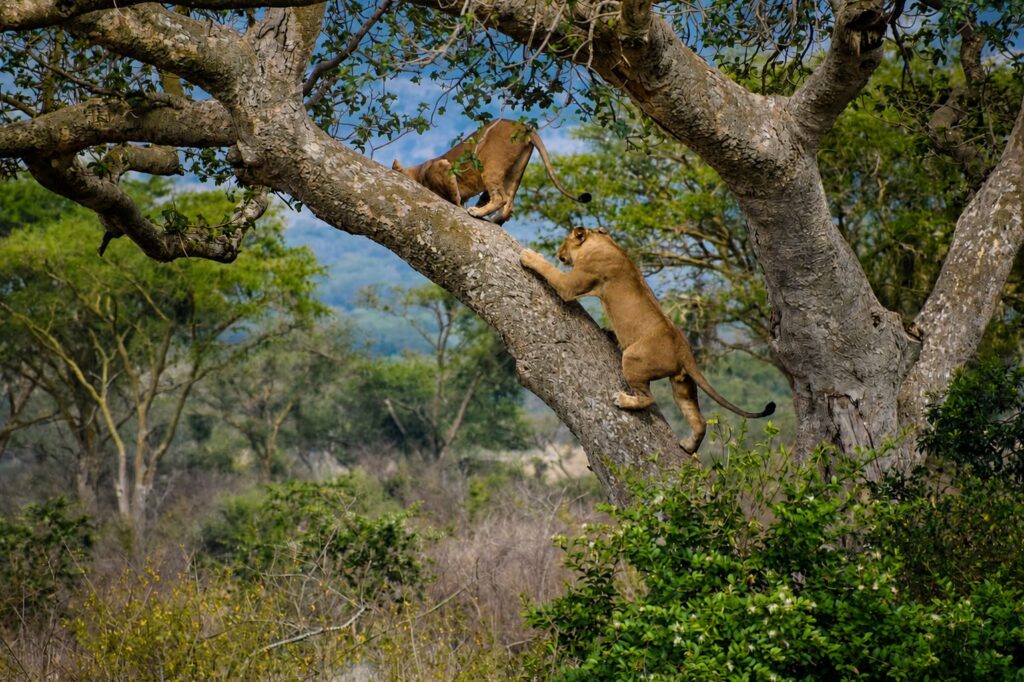
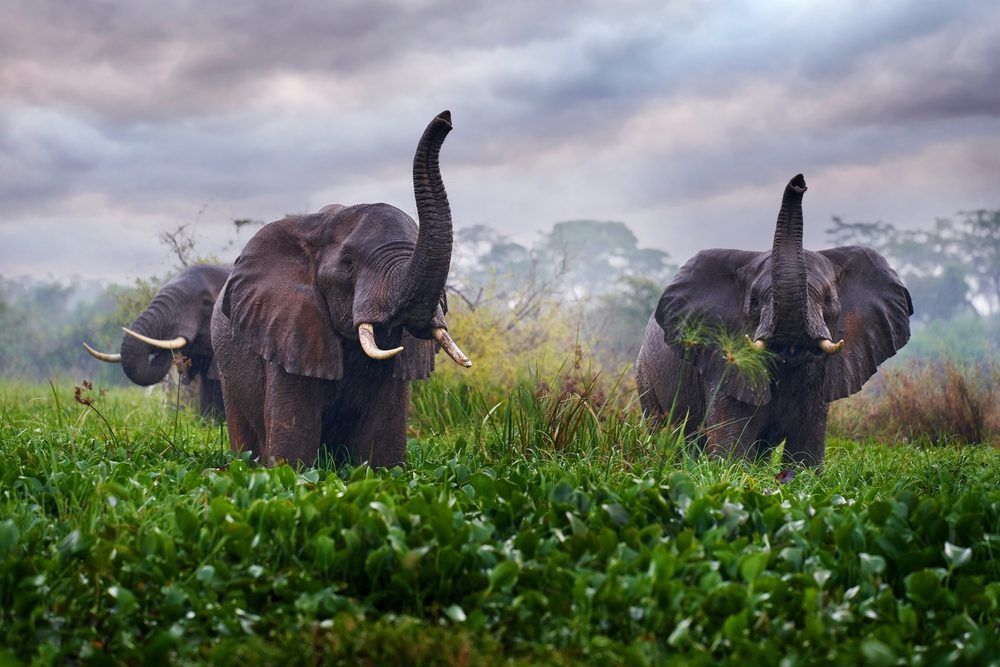
Encounter enormous elephant herds, ancient baobab trees, including other animal species  and spectacular seasonal landscapes. Explore the park’s open savannahs, woodlands and seasonal wetlands, where animals and hundreds of bird species thrive.

BWINDI IMPENETRABLE NATIONAL PARK!

THE BEST OF QUEEN ELIZABETH NATIONAL PARK

QUEEN ELIZABETH NATIONAL PARK

One of Uganda’s oldest and most diverse protected areas and a major safari destination in East Africa. The park situated in western Uganda, primarily in the Kasese, Rubirizi, Rukungiri and Kanungu areas, along the Albertine Rift. The park lies between Lake Edward and Lake George, with the Kazinga Channel connecting the two lakes. Covering approximately 1,978 km², the park combines open savannah, woodland, tropical forest, wetlands, crater lakes and the spectacular Kazinga Channel, with the Rwenzori Mountains forming a dramatic backdrop

The conservation history of the area began before the national park itself existed. Lake George Game Reserve was established in 1925, while Lake Edward Game Reserve was established in 1930. These early reserves were created partly because of the area’s abundant wildlife and the desire to protect ecosystems connected to the protected areas across the border in what is now the Democratic Republic of the Congo.

These protected areas were combined in 1952 to form Kazinga National Park, which was renamed Queen Elizabeth National Park in 1954 following Queen Elizabeth II’s visit to Uganda. Today, the park is one of Uganda’s leading safari destinations, offering game drives, Kazinga Channel boat cruises, birdwatching, crater-lake excursions, cultural experiences and remarkable landscapes shaped by the Albertine Rift.

WILDLIFE FOUND IN QUEEN ELIZABETH NATIONAL PARK

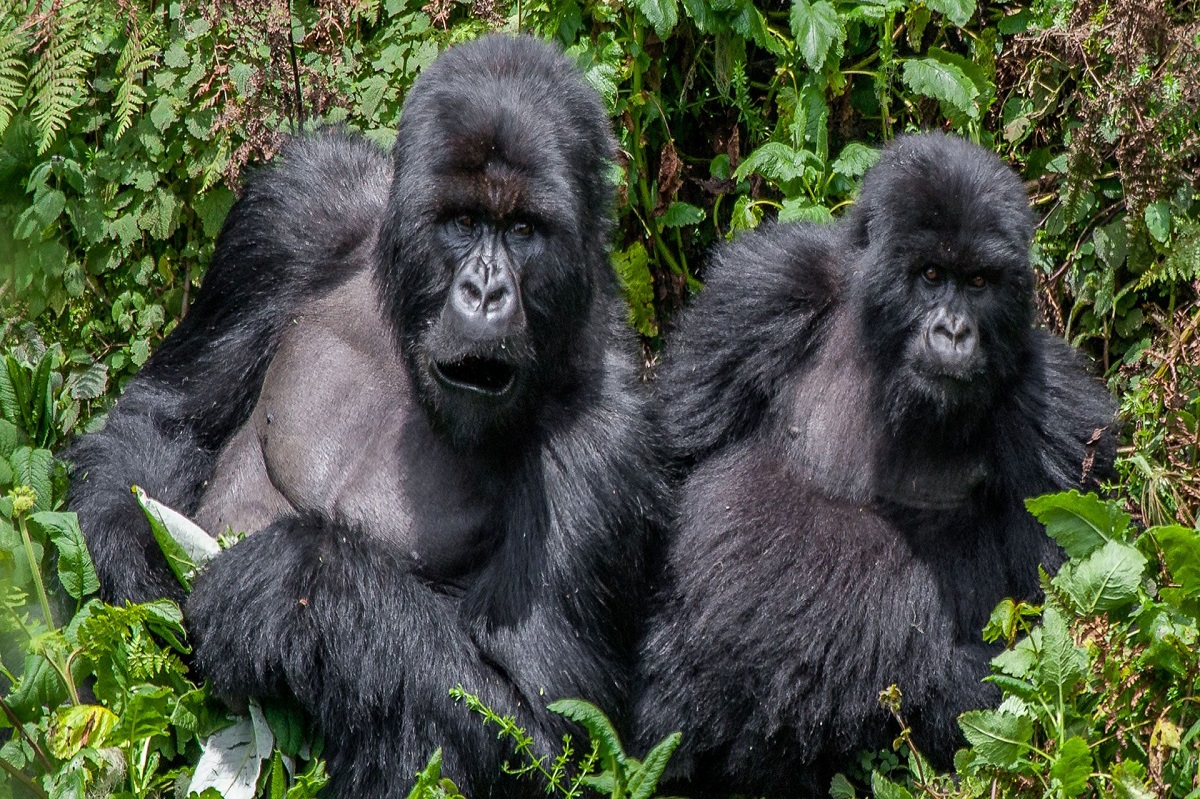
Bwindi Impenetrable National Park is one of Africa’s richest rainforest habitats, supporting more than 120 mammal species as well as a remarkable diversity of primates and other forest wildlife. The park is internationally famous for its mountain gorillas, but its wildlife extends far beyond gorillas.

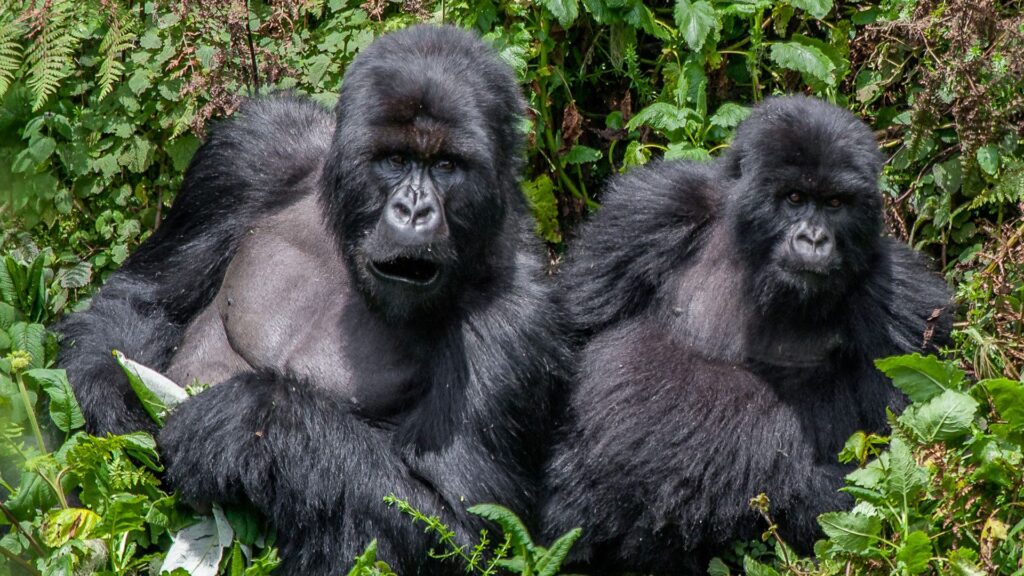
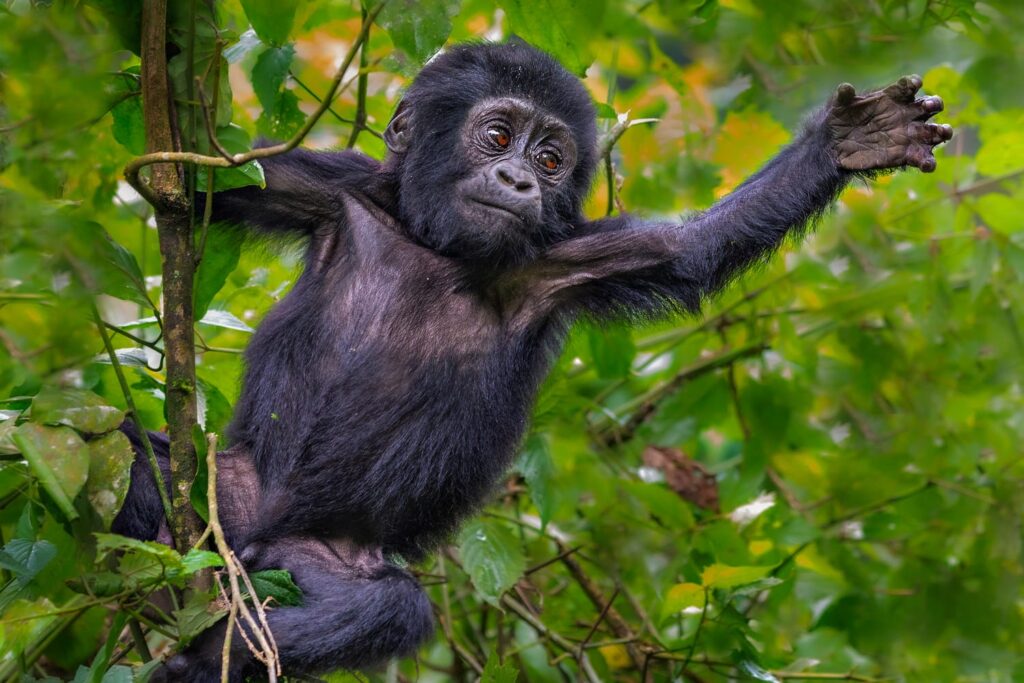
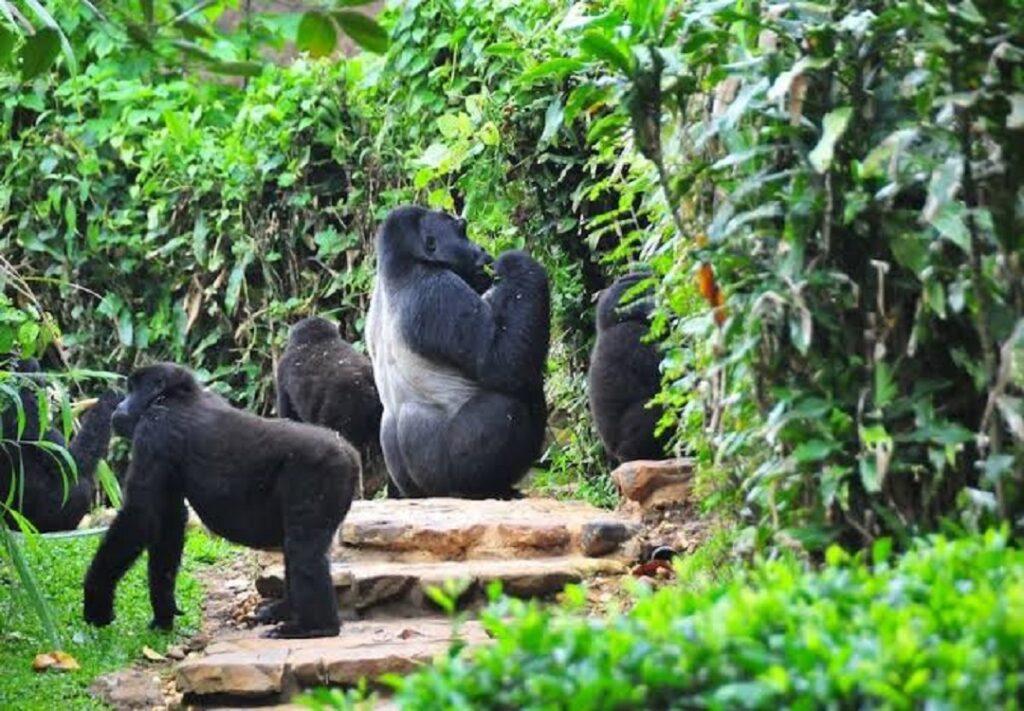
Mountain Gorillas

The mountain gorilla is Bwindi’s signature species and the main attraction for visitors. Bwindi is home to almost half of the world’s mountain gorilla population, making it one of the world’s most important sites for gorilla conservation and trekking.

Other Primates

Bwindi’s dense forest supports several primate species, including:

  • Blue monkeys
  • Olive baboons
  • L’Hoest’s monkeys
  • Red-tailed monkeys
  • Black-and-white colobus monkeys
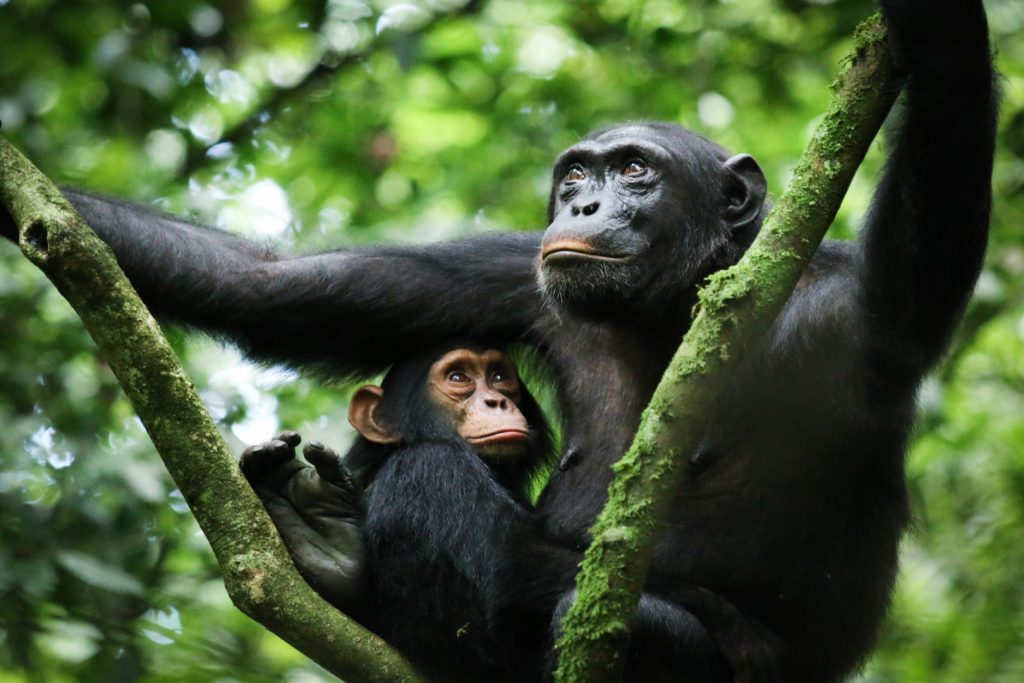
  • Chimpanzees – estimated approximately 426 chimpanzees distributed across the park.

Bwindi Impenetrable National Park is one of Uganda’s most important birdwatching destinations, particularly for travelers interested in the birds of the Albertine Rift (More than 347 forest bird species).

Notable Bird Species

Some of the most sought-after species include:

  • Black bee-eater
  • Rwenzori turaco
  • Great blue turaco
  • Chapin’s flycatcher
  • Short-tailed warbler
  • Kivu ground-thrush
  • Red-throated alethe
  • Blue-headed sunbird
  • African green pigeon
  • Turner’s Eremomela
  • Shelley’s crimson wing
  • White-tailed ant-thrush
  • Grauer’s swamp warbler
  • Yellow-eyed black flycatcher
  • African green broadbill – one of Bwindi’s most famous and highly sought-after forest birds.

The park’s dense vegetation and mountainous terrain make some species challenging to locate, but this is also what makes birding here particularly rewarding.

MAJOR ATTRACTIONS  & ACTIVITIES WITHIN QUEEN ELIZABETH NATIONAL PARK

Bwindi Impenetrable National Park is best known for its mountain gorillas, but the park also offers rainforest hiking, birdwatching, cultural experiences and scenic nature trails. It has roughly half of the world’s mountain gorilla population and is divided into four main trekking sectors: Buhoma, Ruhija, Rushaga and Nkuringo.

Best Attraction.

Mountain Gorilla Trekking

Gorilla trekking is the park’s principal attraction. Visitors hike through dense rainforest and steep terrain in search of a habituated gorilla family. The trek can take approximately 2–7 hours, depending on where the gorillas are located, with visitors allowed a designated observation period with the family.

Major Activities

Activities within the park.

  • Bamboo Trail
  • Birdwatching
  • Guided Nature Walks
  • Muzabajiro Loop Trail
  • Mountain Gorilla Trekking
  • Nature & Wildlife Photography
  • Gorilla Habituation Experience

Activities outside the park.

  • Batwa & Community Experiences

THE BEST TIME TO VISIT QUEEN ELIZABETH NATIONAL PARK

Bwindi Impenetrable National Park can be visited throughout the year, particularly because the mountain gorillas and other forest wildlife remain in the park year-round. However, the experience varies considerably with rainfall, trail conditions, temperature and forest conditions. Uganda Wildlife Authority identifies June – August and December – February as the main drier periods, while Bwindi itself can receive rain at almost any time because of its high-altitude rainforest environment.

June – September: Dry Season

  • More favorable periods for gorilla trekking. Rainfall is generally lower, which can make the steep and often muddy forest trails more manageable. The forest remains green throughout the year, so visitors still experience the characteristic lush rainforest scenery. June and July are among the cooler months in Bwindi, with UWA noting that temperatures can be particularly cool during this period. Warm layers and rain protection are still important because weather can change quickly in the mountains.

December – February: Another Dry Period

  • The second relatively dry season. These months can provide favorable conditions for gorilla trekking, nature walks and birdwatching. The forest is still lush and humid, but reduced rainfall can make some trails easier to navigate compared with the wetter periods. Uganda Wildlife Authority identifies December – February as one of Uganda’s main dry seasons for primate tracking and wildlife viewing.
  • This period is particularly useful for travelers combining Bwindi with other Ugandan destinations such as Queen Elizabeth National Park, Kibale Forest or Lake Bunyonyi.

March – May: Long Rainy Season

  • Generally, the wetter period, with March – May identified by UWA as the extended rainy season. Rain can make Bwindi’s steep forest trails muddy and slippery, and trekking conditions can become more demanding.

October – November: Short Rainy Season

Generally, receives another period of short rainfall. UWA’s environmental assessment describes August – September as a shorter rainy period, while other climatic sources identify heavier rainfall extending into October – November.

DRIVE TIME TO QUEEN ELIZABETH NATIONAL PARK

  • Kampala to  Bwindi Impenetrable National Park: 8½ hours

Typical Route: Kampala → Bwindi Impenetrable National Park

Kampala → Masaka → Mbarara → Ntungamo → Rukungiri → Kihihi → Butogota → Buhoma

RELATED SAFARI'S!

5 DAYS GORILLA TREKKING SAFARI IN UGANDA

The best combination of East Africa lead of exploring the incredible wildlife of Kenya and Tanzania before unwinding on the white sandy beaches of Zanzibar....
8 DAYS UGANDA GORILLA TREKKING & WILDLIFE SAFARI: MGAHINGA PARK

The best combination of East Africa lead of exploring the incredible wildlife of Kenya and Tanzania before unwinding on the white sandy beaches of Zanzibar....
7 DAYS ULTIMATE UGANDA SAFARI: BWINDI GORILLA TREKKING

The perfect moment for experiencing the best of Tanzania’s wildlife and landscapes in absolute comfort. Experiencing a Hot air balloon safari over the Serengeti...

Get In Touch

Its never too soon or too late to get in touch, we are always eager to help out