 info@mupanatours.com Blog
 +255714055829
DISCOVER MASAI MARA NATIONAL RESERVE
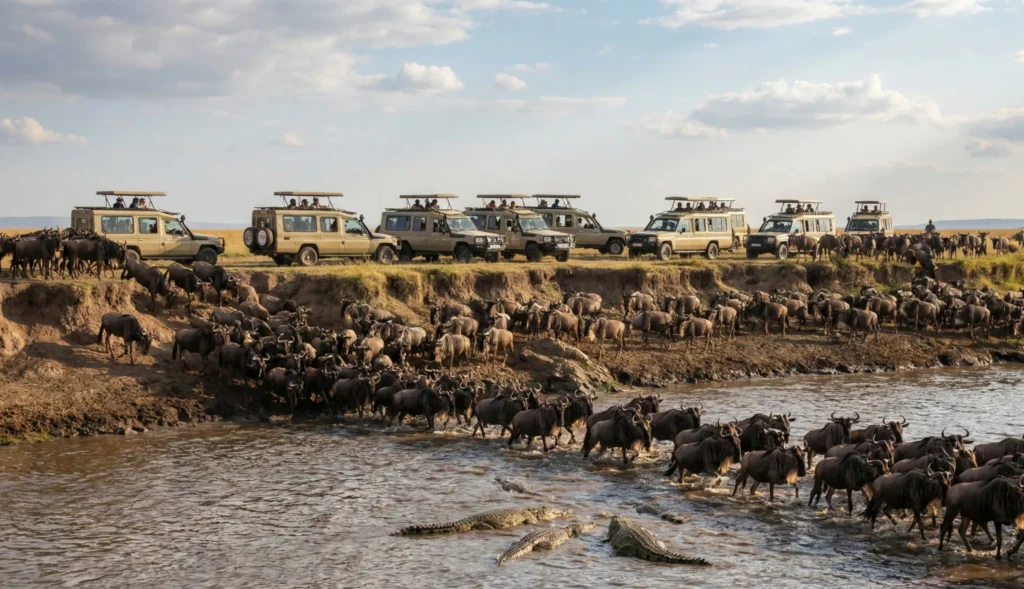
Experience the spectacular Great Migration in the Maasai Mara, where vast herds of wildebeest and zebras move into Kenya’s iconic savannahs in search of fresh grazing and water. Witness dramatic wildlife encounters along the Mara River, where migrating herds navigate challenging crossings while crocodiles and predators await.
GREAT MIGRATION SEASON - RIVER CROSSING!
NORTHERN MASAI MARA GREAT MIGRATION
GREAT MIGRATION – RIVER CROSSING
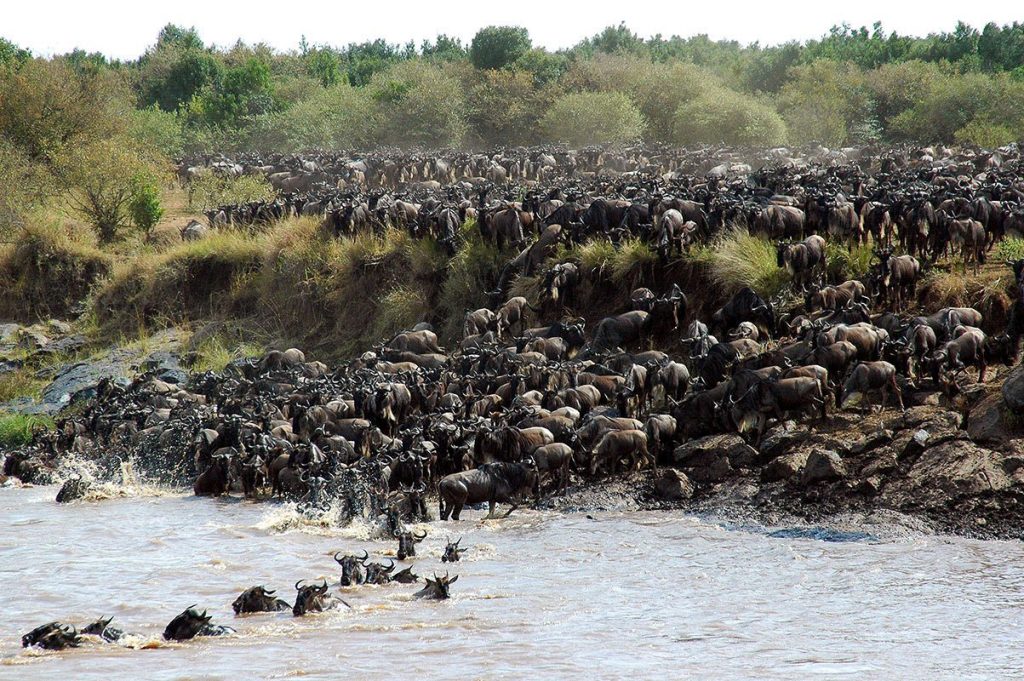
The Great Migration in the Maasai Mara is one of Africa’s most extraordinary wildlife spectacles. Each year, enormous herds of wildebeest, accompanied by zebras and other herbivores, move into Kenya from the Serengeti in search of fresh grazing and water. As the herds reach the Mara River, they may gather along the riverbanks for hours or even days, creating an atmosphere of anticipation before the animals finally begin their crossing.
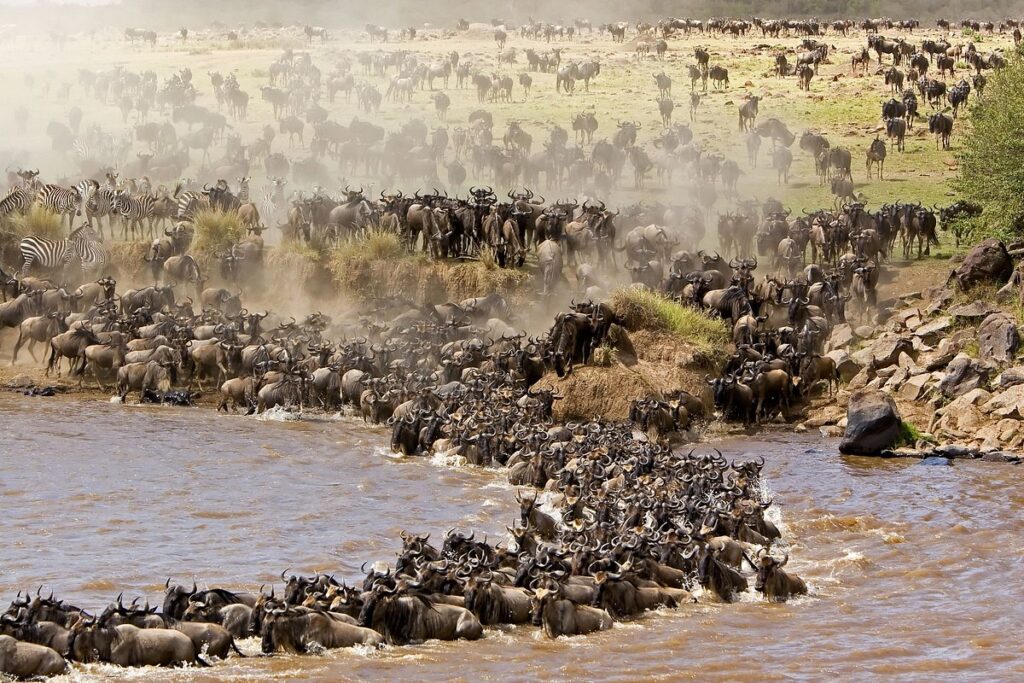
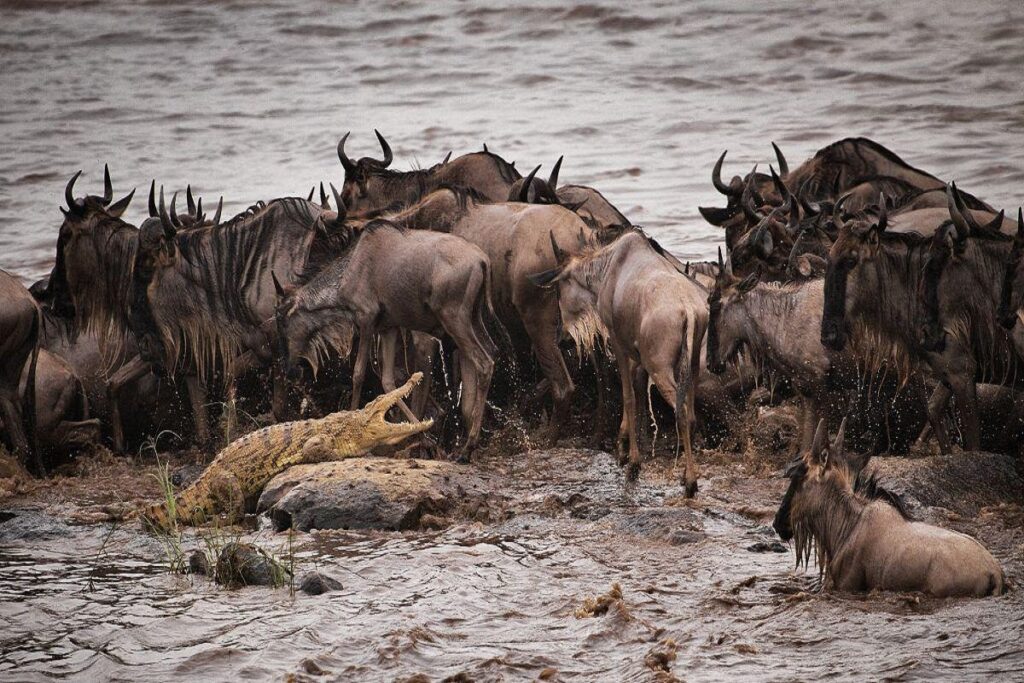
When the crossing starts, the scene can become incredibly dramatic. Thousands of wildebeest and zebras may rush down steep, dusty riverbanks and plunge into the water, creating a spectacular combination of dust, splashing water, pounding hooves and swirling herds. The animals must navigate deep water, strong currents, slippery rocks and steep riverbanks, while Nile crocodiles wait in the river for opportunities to prey on vulnerable animals.
Some animals successfully reach the opposite bank and continue into the Mara’s grasslands, while others may struggle with the currents or become separated from the herd. The event demonstrates the extraordinary challenges of survival that characterize the Great Migration.
WHERE DOES RIVER CROSSING OCURS?
The main crossing areas are in the Masai Mara, particularly around:
Mara Triangle: the western section of the greater Maasai Mara ecosystem in southwestern Kenya, bordered by the Mara River to the east and the Oloololo Escarpment to the west. It is renowned for its open grasslands, rolling hills, riverine habitats and abundant wildlife.
The area is an important part of the Great Migration, particularly during the period when wildebeest and zebras move through the Mara ecosystem. The Mara River forms a major natural feature, and some of the dramatic migration river crossings occur along its various sections.
Talek River is an important seasonal river and wildlife area within the Maasai Mara ecosystem in southwestern Kenya. It flows through the Mara’s open grasslands and provides water and vegetation that attract wildlife, particularly during drier periods.
The river is also connected to the Great Migration, as wildebeest and zebras may gather around and cross sections of the Talek when moving through the Mara ecosystem. While the Mara River is more famous for spectacular migration crossings, Talek can provide excellent opportunities for observing animals and predators in a more localized setting
Lookout and crossing areas in the northern Maasai Mara provide excellent opportunities to observe the Great Migration as wildebeest and zebras move through the Mara ecosystem. These areas include elevated viewpoints and sections of the Mara River where migrating herds may gather before attempting to cross.
The exact location of a crossing is not fixed. Herds can move along the river and may wait for hours or even days before choosing a suitable place to enter the water. This unpredictability is an important part of the migration experience.
The Mara River forms an important part of the Tanzania–Kenya migration route, connecting the northern Serengeti with Kenya’s Maasai Mara ecosystem. During the Great Migration, vast herds of wildebeest and zebras move between these two ecosystems in search of fresh grazing and water.
WHEN DOES THE MIGRATION OCURS?
Best overall period: July–October
Best months for Mara River crossings: August–September
The Great Migration in the Maasai Mara generally occurs between July and October, when enormous herds of wildebeest, accompanied by zebras and other herbivores, move northward from the Serengeti in Tanzania into Kenya’s Maasai Mara ecosystem. This movement is part of a continuous, year-round cycle driven primarily by rainfall, fresh grazing and water availability.
The herds move northward from the central Serengeti, following the availability of fresh grass and water. Eventually, they encounter the Mara River, where they may gather in enormous numbers before attempting to cross into Kenya’s Maasai Mara.
Best time: August & September
August and September are generally considered the prime months for a Northern Serengeti Great Migration safari, particularly if your main goal is to have a chance of witnessing the dramatic Mara River crossings.
During these months:
- Large concentrations of wildebeest and zebras can be found in the north.
- Herds may gather along the Mara River before crossing.
- Multiple crossing attempts can occur throughout the season.
- Predators such as lions, leopards, and cheetahs take advantage of the concentration of prey.
- Crocodiles and hippos are commonly encountered around the river.
- The Northern Serengeti landscape is particularly spectacular for photography and game viewing.
JULY – THE BEGINNING OF THE NORTHERN SEASON ⭐⭐⭐
July can be an excellent time to visit as the first major herds begin arriving in Northern Serengeti. Some groups may already be close to the Mara River, while others are still moving north. River crossings can happen in July, but they are not guaranteed. The timing depends heavily on rainfall and herd movement.
AUGUST – PEAK MIGRATION EXCITEMENT ⭐⭐⭐⭐⭐
August is one of the most sought-after months for the Northern Serengeti.
Huge herds can gather around Kogatende and the Mara River. The sight of thousands of wildebeest waiting on the riverbank before suddenly plunging into the water is one of Africa’s most unforgettable wildlife experiences. However, the river crossing is unpredictable. A herd may arrive at the river and remain there for hours or days before crossing.
SEPTEMBER – EXCELLENT CHANCE FOR CROSSINGS ⭐⭐⭐⭐⭐
September will continue to offer outstanding migration viewing. Large herds may still be concentrated around the Mara River and Lamai Wedge, with animals moving between Tanzania and Kenya. For travelers who want a strong chance of seeing the migration while avoiding some of the busiest periods associated with peak season, September can be an excellent choice.
OCTOBER – MOVING BACK TOWARD TANZANIA ⭐⭐⭐
October, some migrating herds begin moving southward as environmental conditions change and rainfall patterns influence the availability of fresh grazing. The return movement is gradual rather than occurring on one particular date. Different groups of animals can move at different times, with some remaining in the Mara while others have already begun their journey toward the Serengeti.
WILDLIFE & NATURE FOUND IN THE MAASAI MARA NATIONAL RESERVE
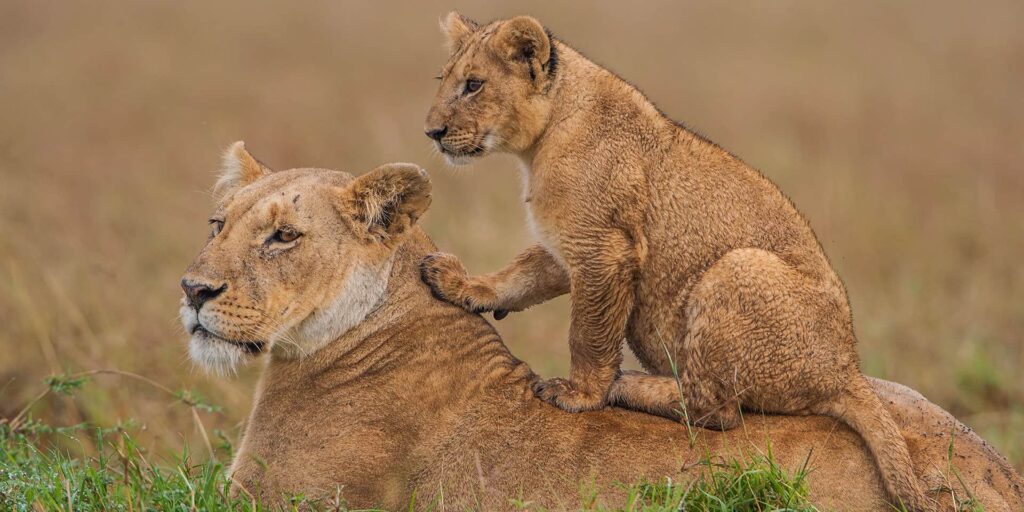
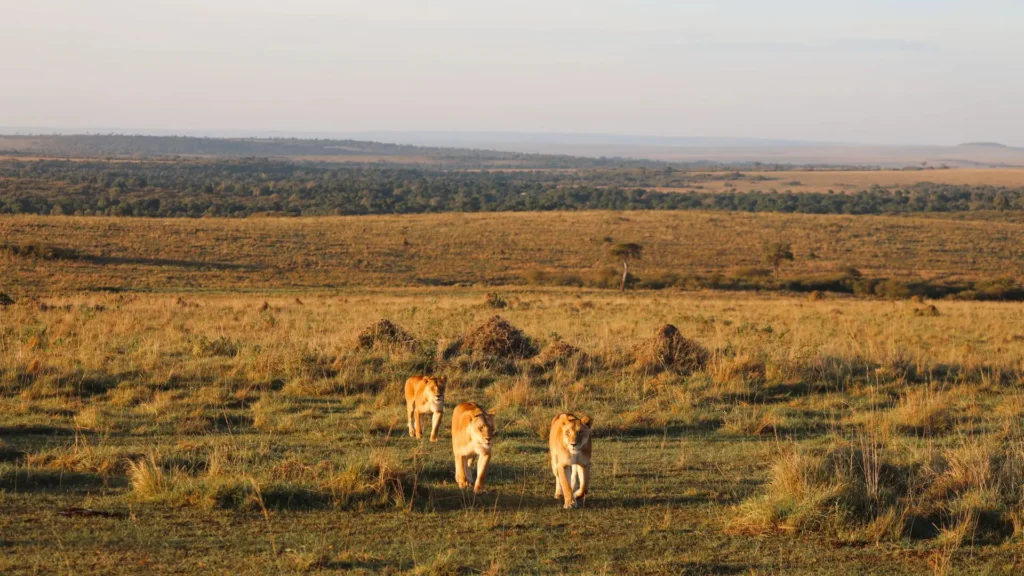
The Maasai Mara National Reserve is one of Kenya’s most famous wildlife destinations for Big Five, which supporting other remarkable diversity of mammals, predators, herbivores and birds. The open grasslands, riverine forests and seasonal rivers provide excellent habitats for wildlife throughout the year.
Masai Mara wildlife offer:
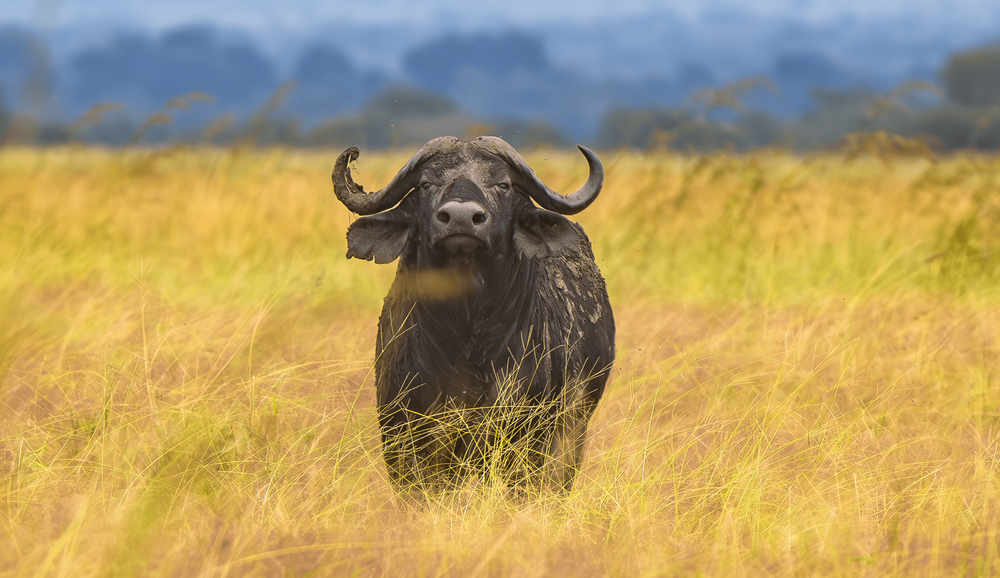
- Lions, Leopards, Cheetahs, Spotted hyenas, African wild dogs, Jackals, African Elephants, African buffaloes, Giraffes, Common hippopotamuses, Wildebeest, Burchell’s zebras, Elands, Topi, Hartebeest, Warthogs, Thomson’s gazelles, Grant’s gazelles, Impalas, Waterbucks, Bushbucks, Reedbucks, Dik-diks, Nile crocodiles, Hippopotamus.
Birdlife
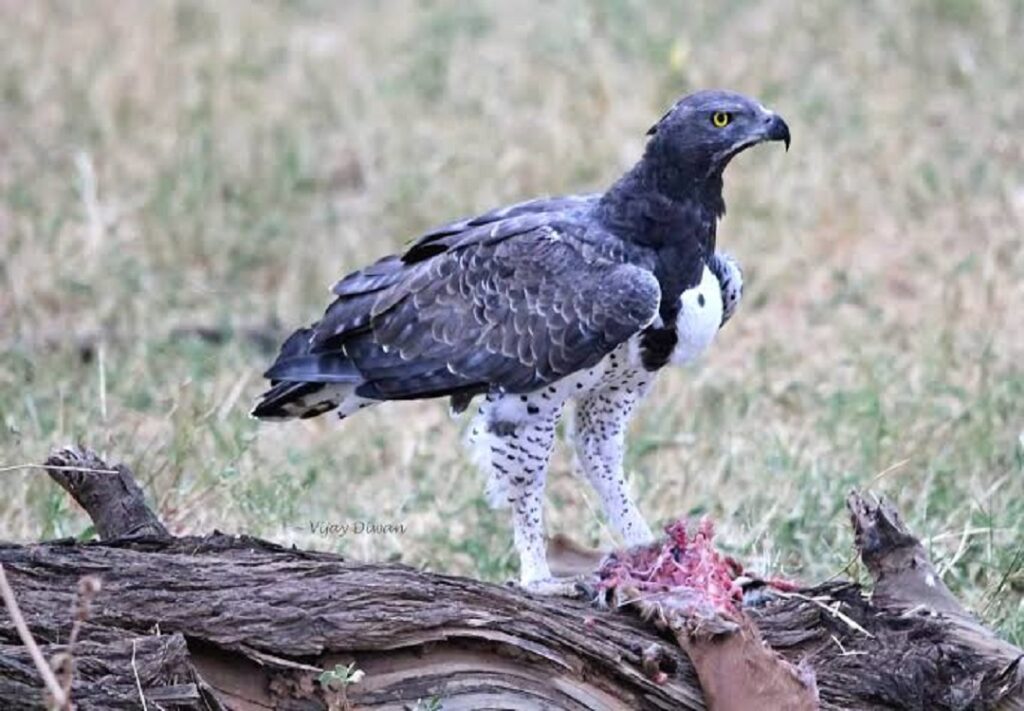
Masai Mara also an excellent destination for birdwatching, with a remarkable diversity of bird species. (More than 500 bird species).
- Martial Eagle, Bateleur, African Fish Eagle, Tawny Eagle, Long-crested Eagle, Secretary bird, Kori Bustard, Southern Ground Hornbill, Saddle-billed Stork, White-backed Vulture, Lappet-faced Vulture, Lilac-breasted Roller, Superb Starling, Grey-headed Kingfisher, Yellow-throated Sandgrouse, Common Ostrich
The Maasai Mara ecosystem, the reserve offers exceptional opportunities for birdwatching and photography.
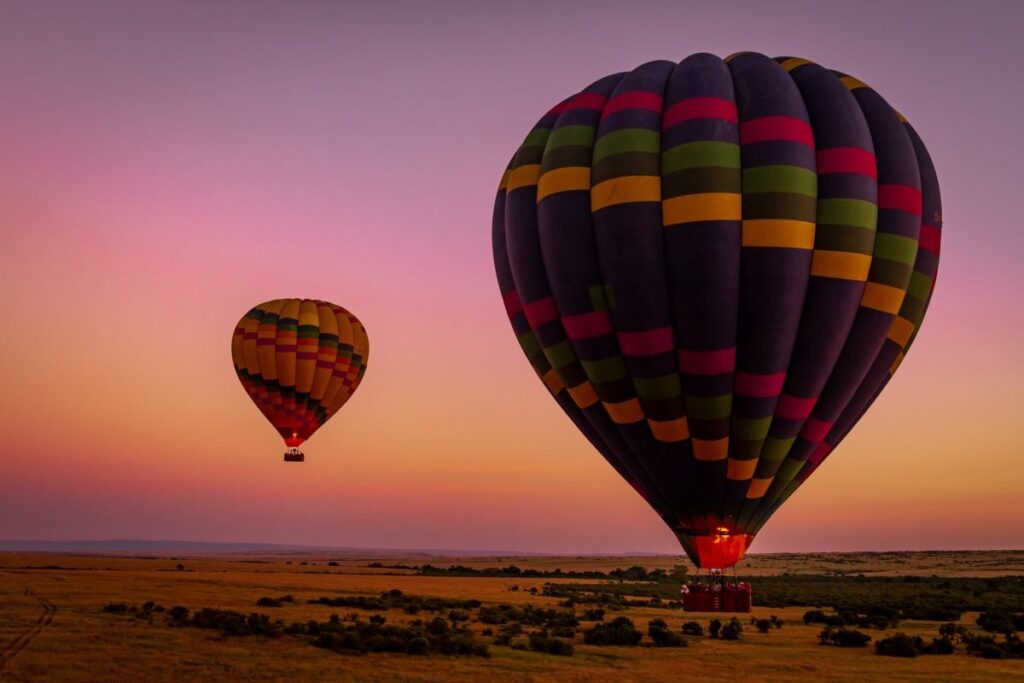
MAJOR ATTRACTIONS & ACTIVITIES WITHIN MASAI MARA NATIONAL RESERVE
The Maasai Mara National Reserve offers an exceptional blend of wildlife, nature, adventure and cultural experiences, providing travelers with countless opportunities to explore Kenya’s iconic savannah landscapes. From thrilling game drives and Great Migration encounters to bird watching, photography and cultural experiences, the reserve offers memorable activities for every type of traveler.
Activities within the park
- Stargazing
- Bush Dining
- Game Drives
- Bird Watching
- Horseback Safaris
- Wildlife Photography
- Hot-Air Balloon Safari
- Great Migration Viewing
- Conservancy Experiences
- Guided Nature & Walking Experiences
Activities outside the park.
- Maasai Cultural Experiences
DRIVE TIME TO MASAI MARA NATIONAL RESERVE
Nairobi to Nairobi National Park: 30 Minutes
Nairobi to Masai Mara National Reserve: 6 hours
OUR POPULAR GREAT MIGRATION PACKAGES!
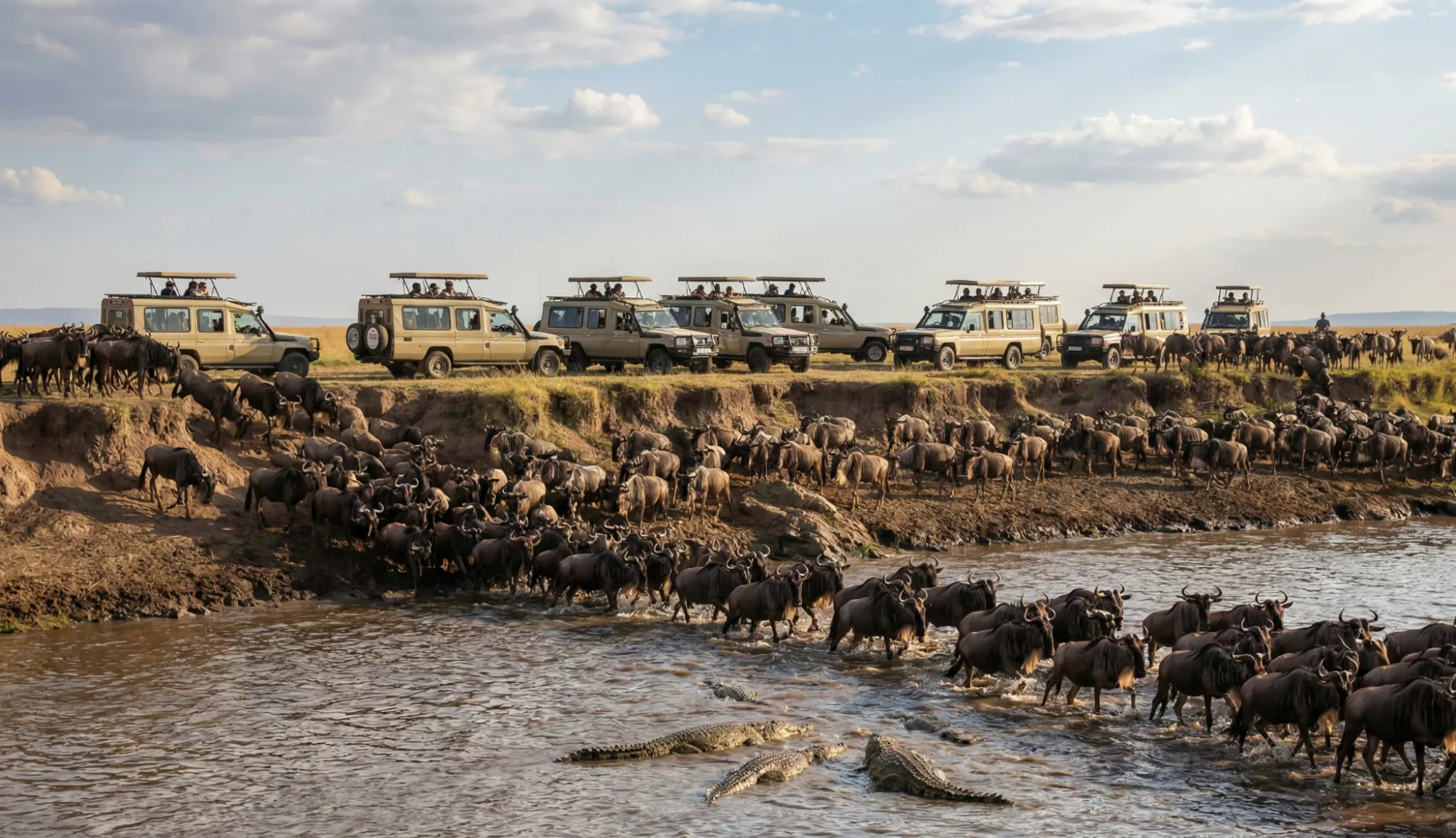
Watch hundreds of thousands of wildebeest, accompanied by zebras and other herbivores, cross vast savannahs in search of fresh grazing, braving dramatic river crossings and powerful predators including crocodiles along the way. Happened at the Northern part of Serengeti - Kogatende through Mara river.
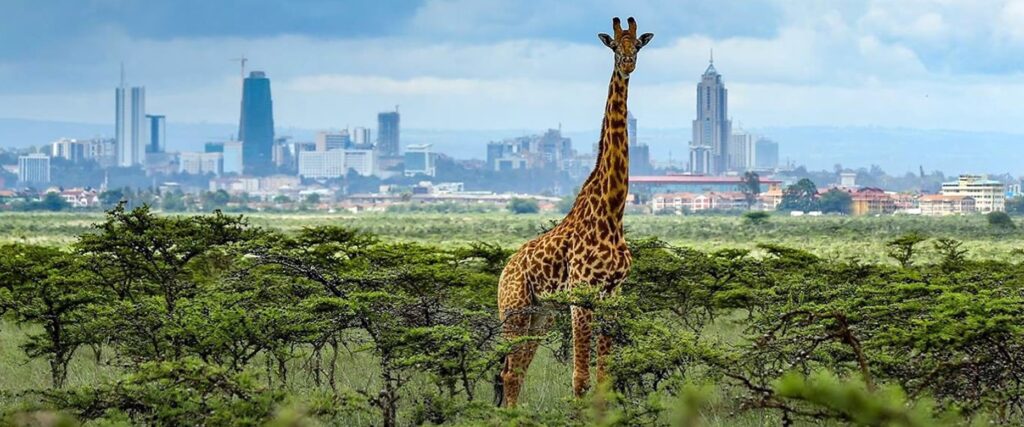
Experience the magic of the Great Migration calving season in the Southern Serengeti, especially around the Ndutu Plains. From January to March, vast herds of wildebeest gather on the green plains, with thousands of newborn calves taking their first steps. Witness incredible scenes of birth, survival, and predator action.
Experience the ultimate Tanzania adventure combining the breathtaking Great Migration Safari with the tropical beauty of Zanzibar. Witness vast herds of wildebeest and zebras across the Serengeti, then unwind on Zanzibar’s pristine beaches with crystal-clear waters, island excursions, snorkeling, and unforgettable sunsets.
Get In Touch
Its never too soon or too late to get in touch, we are always eager to help out