DISCOVER LAKE MBURO NATIONAL PARK
Discover the park’s rich biodiversity through game drives, boat safaris, guided nature walks and horseback adventures, while enjoying spectacular seasonal scenery and excellent opportunities for birdwatching.
LAKE MBURO NATIONAL PARK!
THE BEST OF LAKE MBURO NATIONAL PARK
LAKE MBURO NATIONAL PARK
A freshwater lake which located in western Uganda, within the Ankole region, approximately 30 km east of Mbarara and about 240 km by road from Kampala. The lake lies within Lake Mburo National Park, a landscape of rolling hills, savannah grasslands, acacia woodland, rocky areas, wetlands and several interconnected lakes.
The lake is part of the wider Lake Mburo–Nakivali wetland system, an important network of lakes, swamps and papyrus wetlands. The system is recognized internationally as a wetland of importance under the Ramsar Convention.
The surrounding landscape is relatively dry compared with many other parts of Uganda, creating a distinctive savannah-and-wetland ecosystem. This combination of permanent water, open grassland and woodland makes the area particularly suitable for wildlife.
Long before the creation of the national park, the Lake Mburo landscape was traditionally used by Bahima pastoralists, part of the Banyankole communities of the Ankole region. The area was historically associated with cattle keeping and the wider pastoral landscape of the Ankole Kingdom. Traditional institutions, including the authority of the Omugabe (King) of Ankole and local chiefs, played a role in regulating land and natural-resource use.
The most dramatic change occurred in 1983, when the government of President Milton Obote upgraded Lake Mburo to national-park status. National-park designation brought much stricter restrictions on settlement, livestock grazing and other human activities inside the protected area. Many Bahima pastoralists who had traditionally used the land were displaced. This became highly controversial because the park’s creation occurred during a period of severe political instability and conflict in Uganda.
WILDLIFE FOUND IN LAKE MBURO NATIONAL PARK
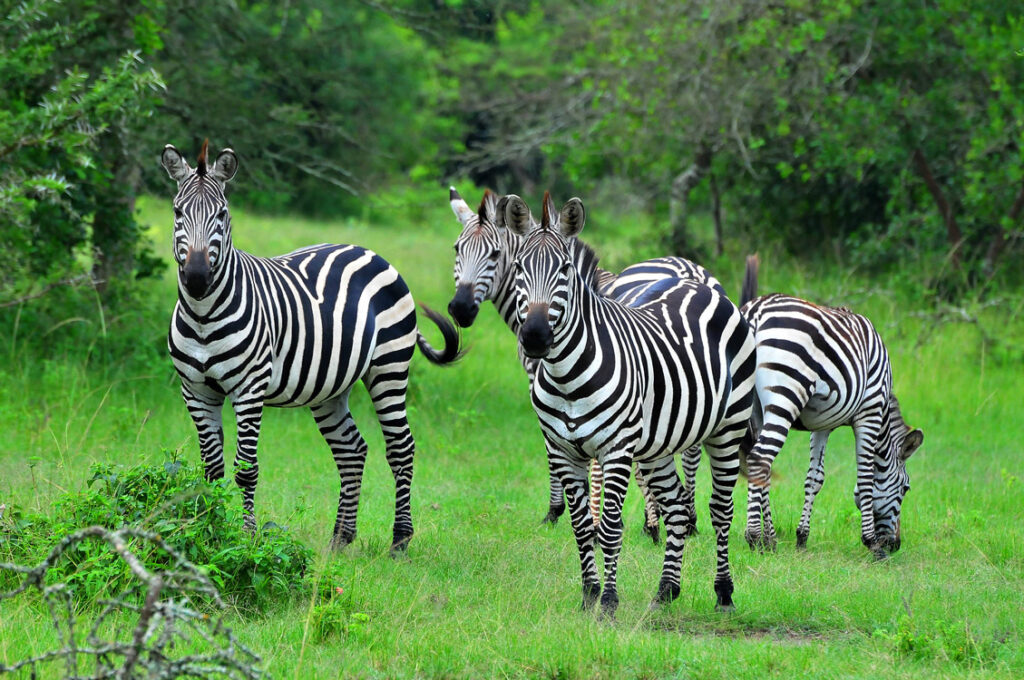
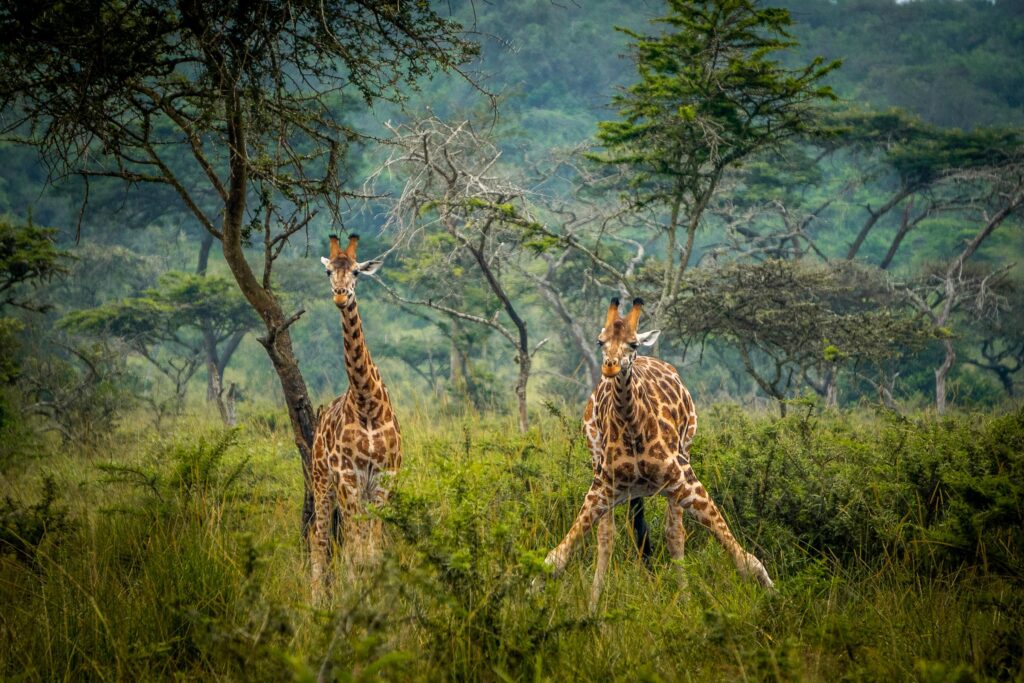
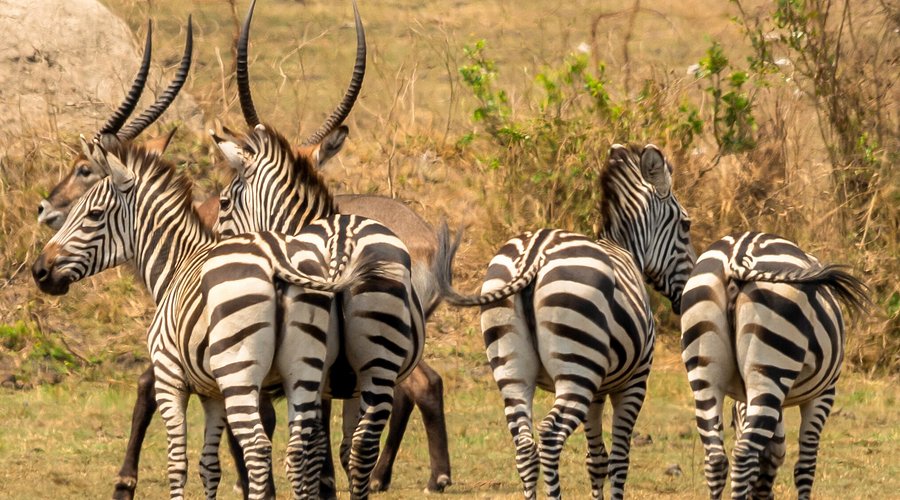
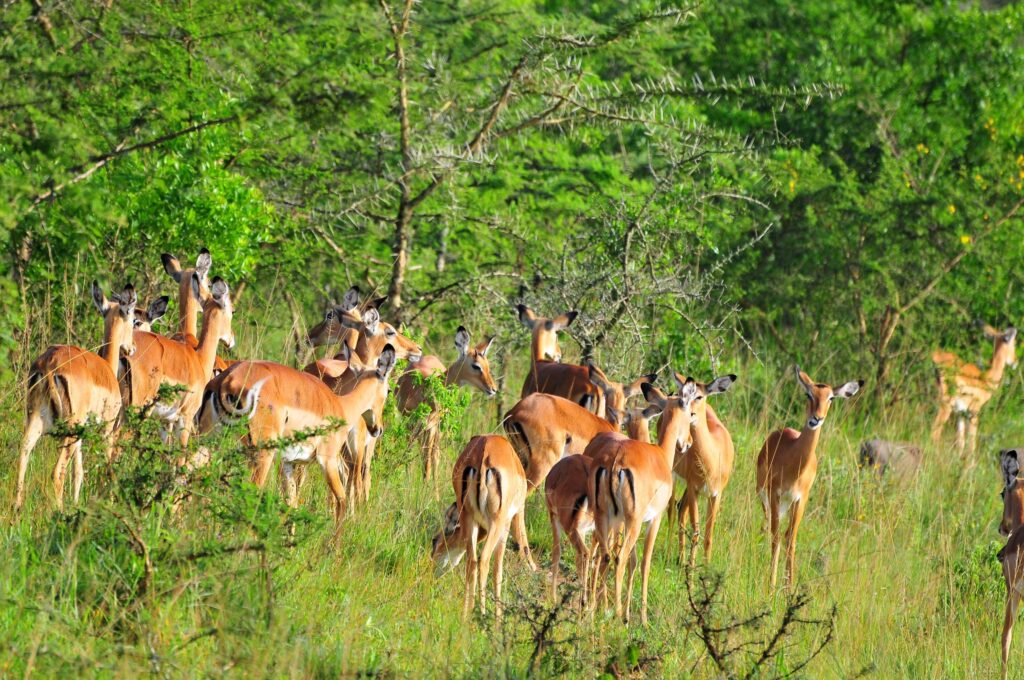
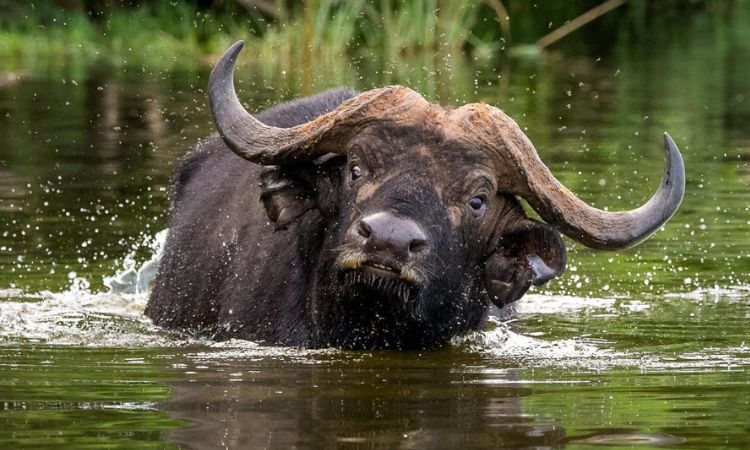
Lake Mburo National Park supports a diverse range of wildlife, thanks to its combination of open savannah, acacia woodland, rocky hills, wetlands, and freshwater lakes.
Notable mammals include:
- Topi
- Oribi
- Duiker
- Zebra
- Impala
- Eland
- Giraffe
- Buffalo
- Bushbuck
- Waterbuck
- Warthog
- Uganda kob
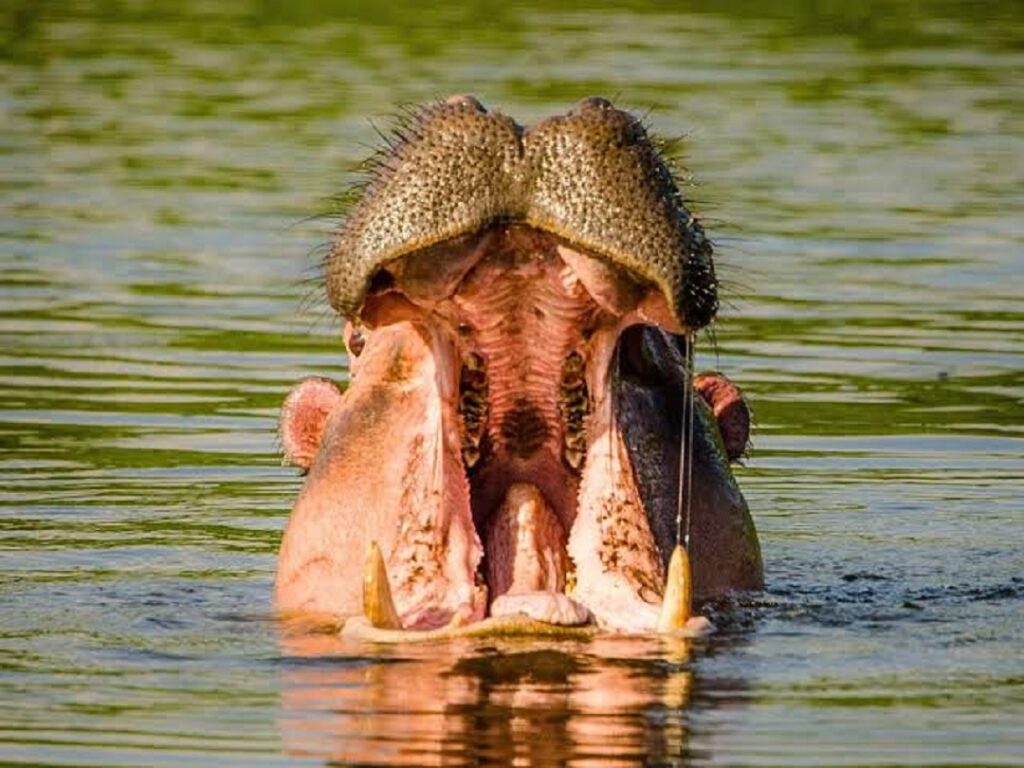
- Hippopotamus
Lake Mburo is also an important birdwatching destination, with many bird species in the wider park ecosystem. Wetlands, papyrus swamps, woodland and savannah provide habitats for different bird communities (More than 300 bird species).
Notable Bird Species
Some of the most sought-after species include:
- Hadada ibis
- Papyrus canary
- Pied kingfisher
- African jacana
- Marabou stork
- African finfoot
- Papyrus gonolek
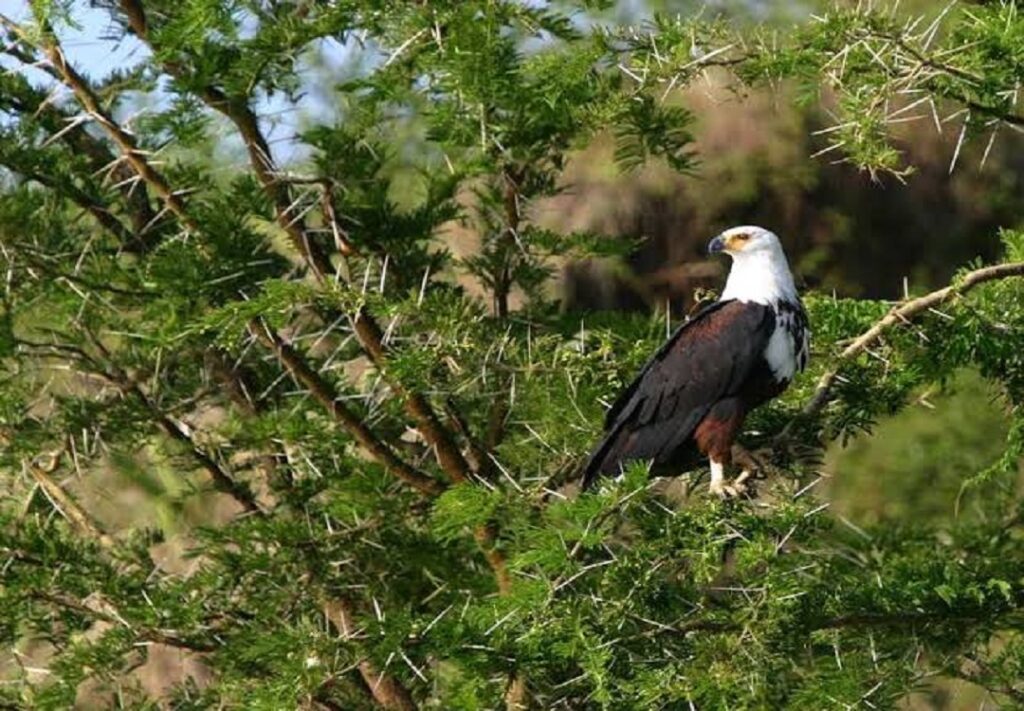
- African fish eagle
- Grey crowned crane
- Malachite kingfisher
- Common genet and mongoose species
- Bats, rodents and other small mammals
The park’s dense vegetation and mountainous terrain make some species challenging to locate, but this is also what makes birding here particularly rewarding.
MAJOR ATTRACTIONS & ACTIVITIES WITHIN LAKE MBURO NATIONAL PARK
Major Attractions
Lake Mburo
The park’s namesake lake is its central attraction. Its shoreline, wetlands and surrounding vegetation support hippos, crocodiles, water birds and other wildlife. The lake also provides excellent scenery for boat excursions and wildlife viewing.
Major Activities
Activities within the park.
- Game Drives
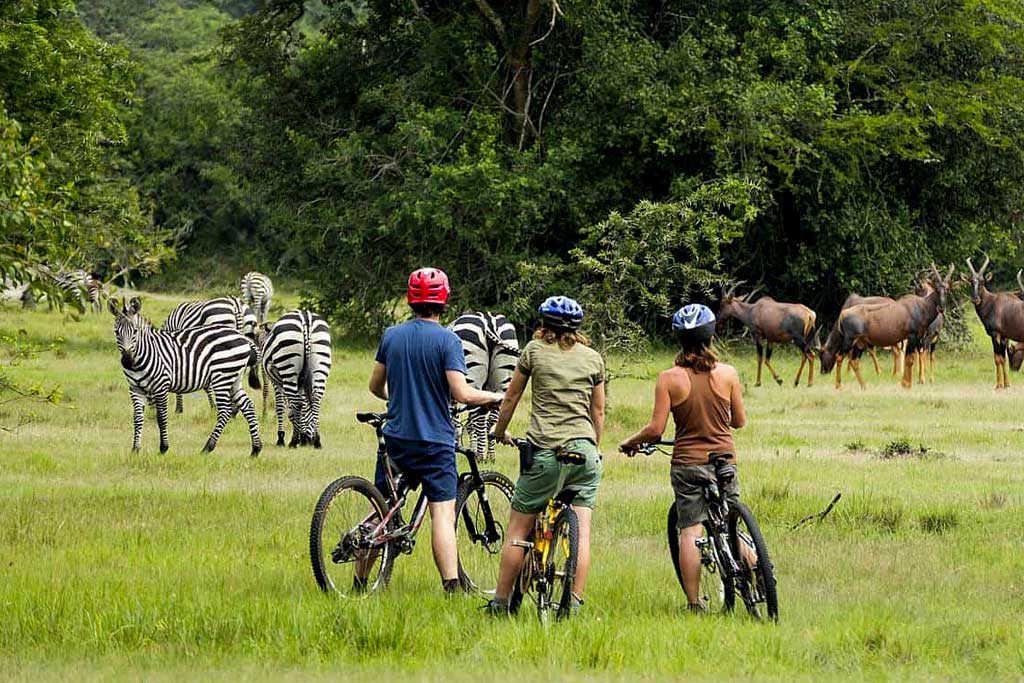
- Cycling Safari
- Birdwatching
- Horseback Safari
- Guided Nature Walks
- Boat Safari on Lake Mburo
Activities outside the park.
- Cultural and Community Experiences
THE BEST TIME TO VISIT LAKE MBURO NATIONAL PARK
Lake Mburo National Park can be visited throughout the year, but the best period depends on whether your priority is wildlife viewing, walking, birdwatching, photography, or experiencing the park’s green landscapes. The park has a relatively moderate climate compared with many other East African safari destinations, and rainfall can occur at different times of the year. In general, June to August and December to February are the main drier periods and are particularly suitable for conventional wildlife safaris.
June to August: Best overall period
- Among the most favorable months for visiting Lake Mburo National Park. During this period, rainfall is generally lower and the vegetation becomes less dense. As grasses and other vegetation dry back, wildlife can be easier to see, particularly around water sources, wetlands and remaining green areas.
December to February: Another excellent period
- Represent another relatively dry period and are also favorable for visiting the park. Compared with the wetter months, roads and walking trails are generally easier to navigate, and wildlife viewing can be productive. The combination of sunshine, open vegetation and accessible wildlife makes this period suitable for game drives, walking safaris, boat trips and photography.
March – May: Long Rainy Season
- Generally, the wetter period, with March – May identified by UWA as the extended rainy season. Rain can make Bwindi’s steep forest trails muddy and slippery, and trekking conditions can become more demanding.
October – November: Short Rainy Season
Generally, receives another period of short rainfall. UWA’s environmental assessment describes August – September as a shorter rainy period, while other climatic sources identify heavier rainfall extending into October – November.
DRIVE TIME TO LAKE MBURO NATIONAL PARK
- Kampala to Lake Mburo National Park: 3 hours
- Lake Mburo to Queen Elizabeth National Park: 4 hours
- Lake Mburo to Bwindi Impenetrable National Park: 5 hours
Typical Route: Kampala → Lake Mburo National Park
Kampala → Mpigi → Lukaya → Masaka → Lyantonde → Sanga → Sanga Gate → Lake Mburo National Park
RELATED SAFARI'S!

8 DAYS UGANDA PRIMATE SAFARI: KIBALE - BWINDI & LAKE MBURO
The best combination of East Africa lead of exploring the incredible wildlife of Kenya and Tanzania before unwinding on the white sandy beaches of Zanzibar....
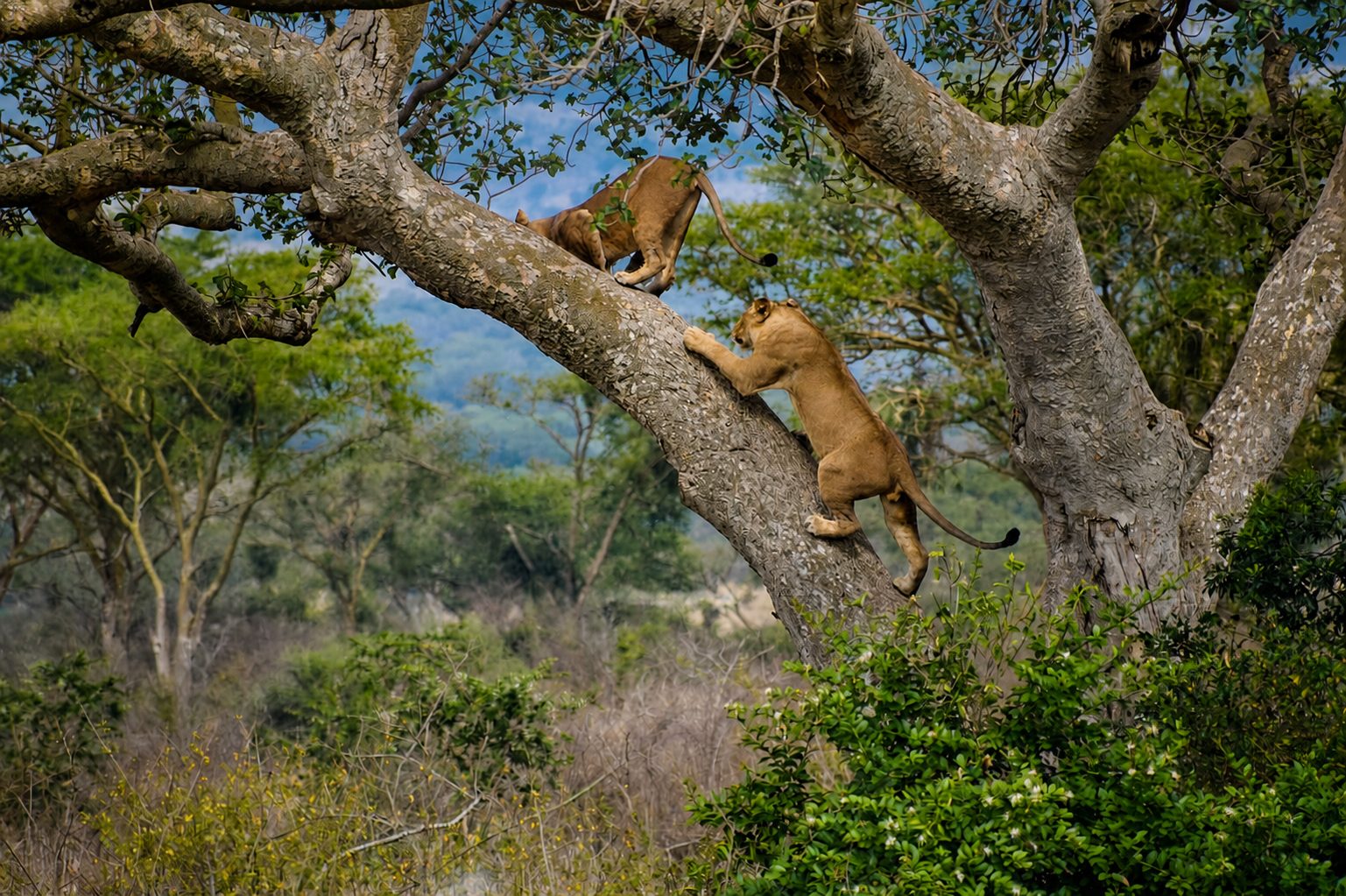
6 DAYS LAKE MBURO & QUEEN ELIZABETH PARK SAFARI
The best combination of East Africa lead of exploring the incredible wildlife of Kenya and Tanzania before unwinding on the white sandy beaches of Zanzibar....
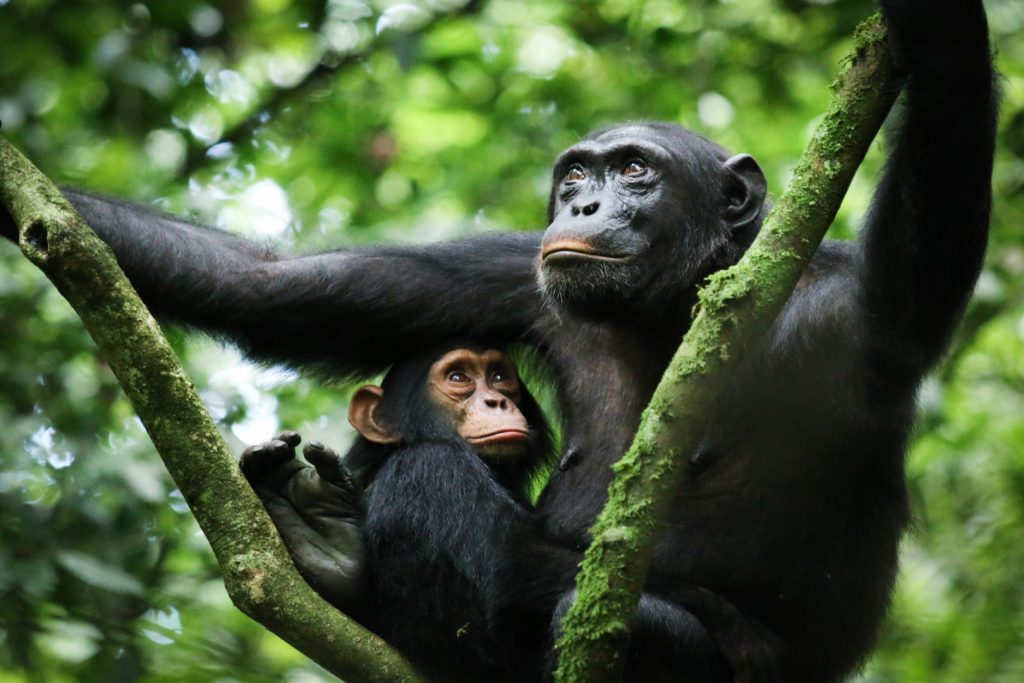
10 DAYS ULTIMATE UGANDA SAFARI: BWINDI - QUEEN ELIZABETH & KIBALE
The perfect moment for experiencing the best of Tanzania’s wildlife and landscapes in absolute comfort. Experiencing a Hot air balloon safari over the Serengeti...
Get In Touch
Its never too soon or too late to get in touch, we are always eager to help out