 info@mupanatours.com Blog
 +255714055829
DISCOVER MOUNT ELGON NATIONAL PARK - KENYA
Step in to magnificent volcanic mountain landscape on Kenya’s western border with Uganda. Explore the lush montane forests, bamboo zones, high-altitude moorlands, ancient lava-tube caves and dramatic volcanic scenery.
MOUNT ELGON NATIONAL PARK!
THE BEST OF MOUNT ELGON NATIONAL PARK
MOUNT ELGON NATIONAL PARK
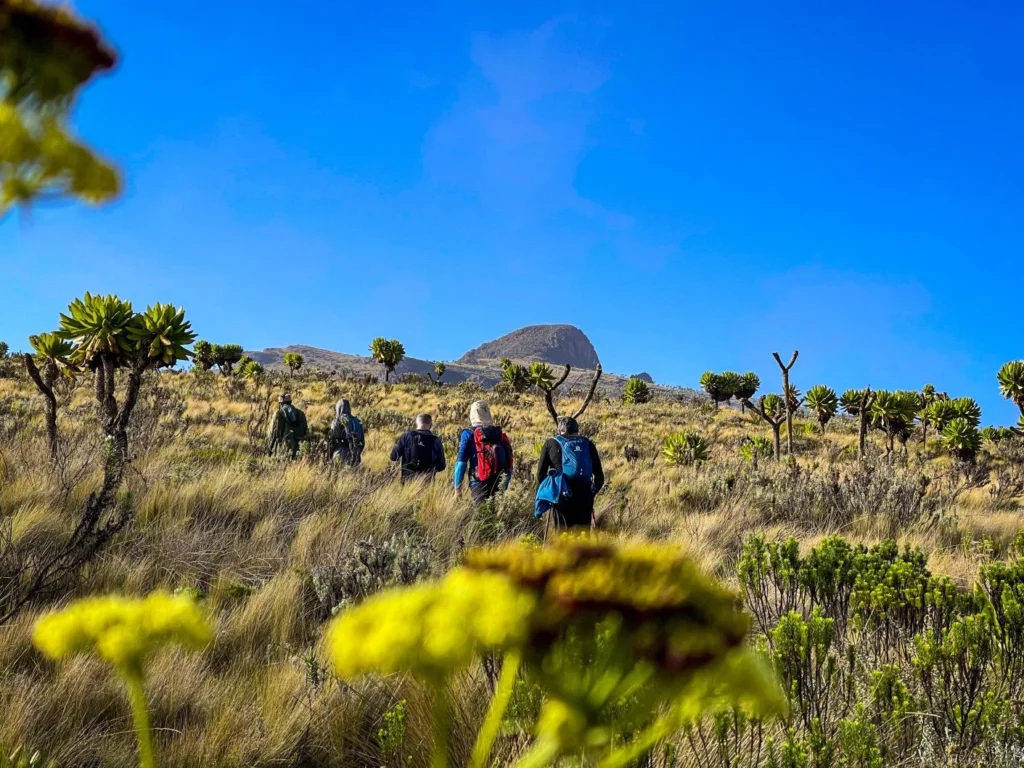
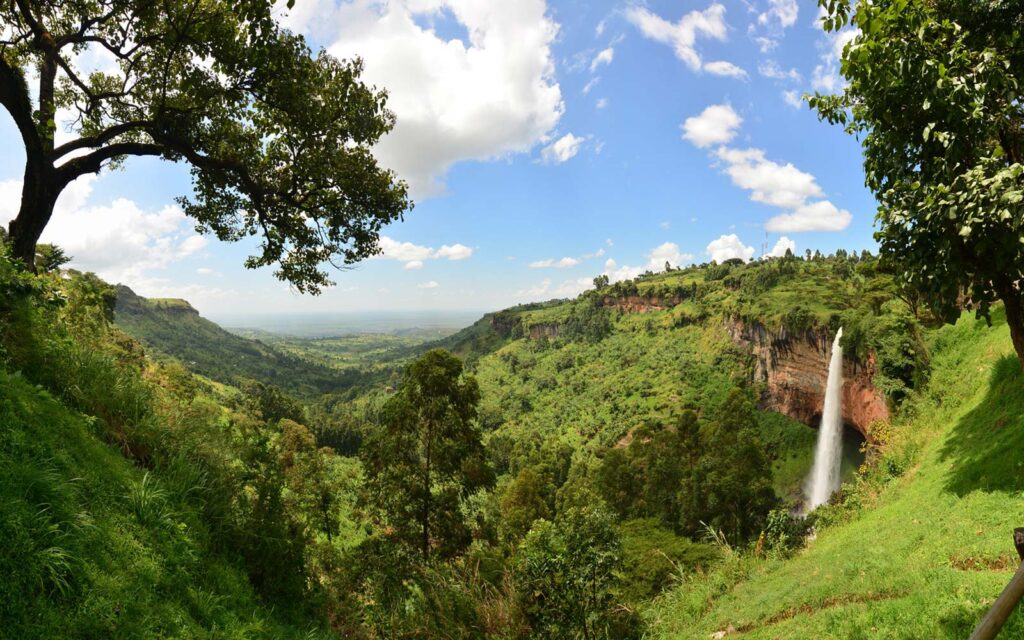
The spectacular volcanic mountain wilderness in western Kenya, which located along the Kenya – Uganda border. The Kenyan park lies mainly in Trans-Nzoia and Bungoma counties, near Kitale and Endebess, and is known for its misty montane forests, bamboo and Podocarpus forests, high-altitude moorlands, caves, waterfalls and dramatic volcanic scenery.
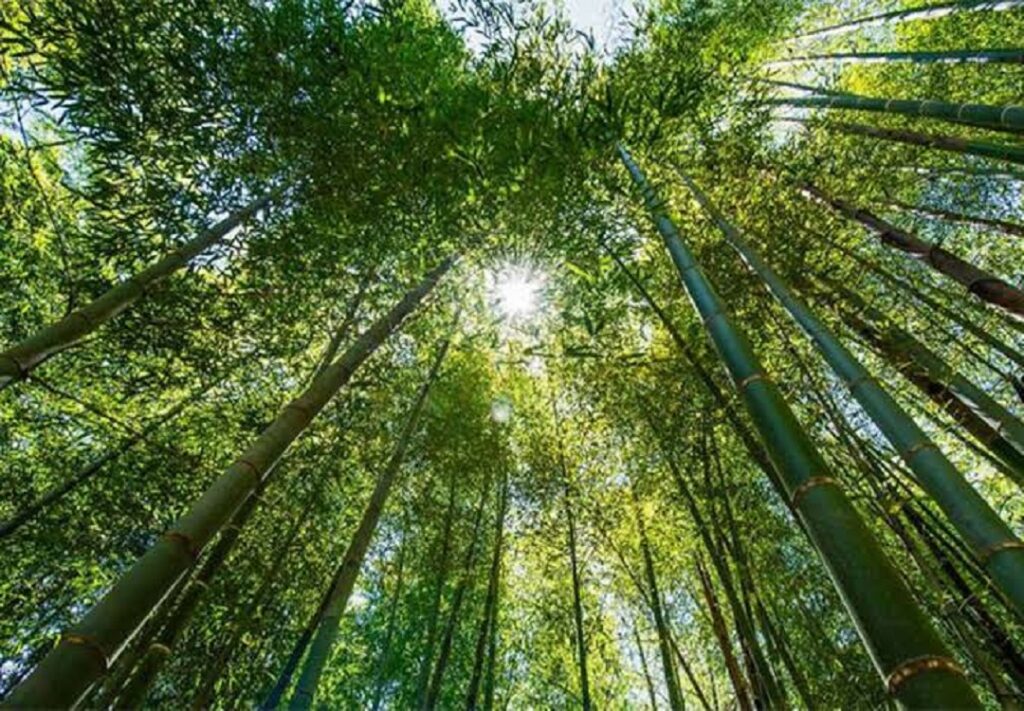
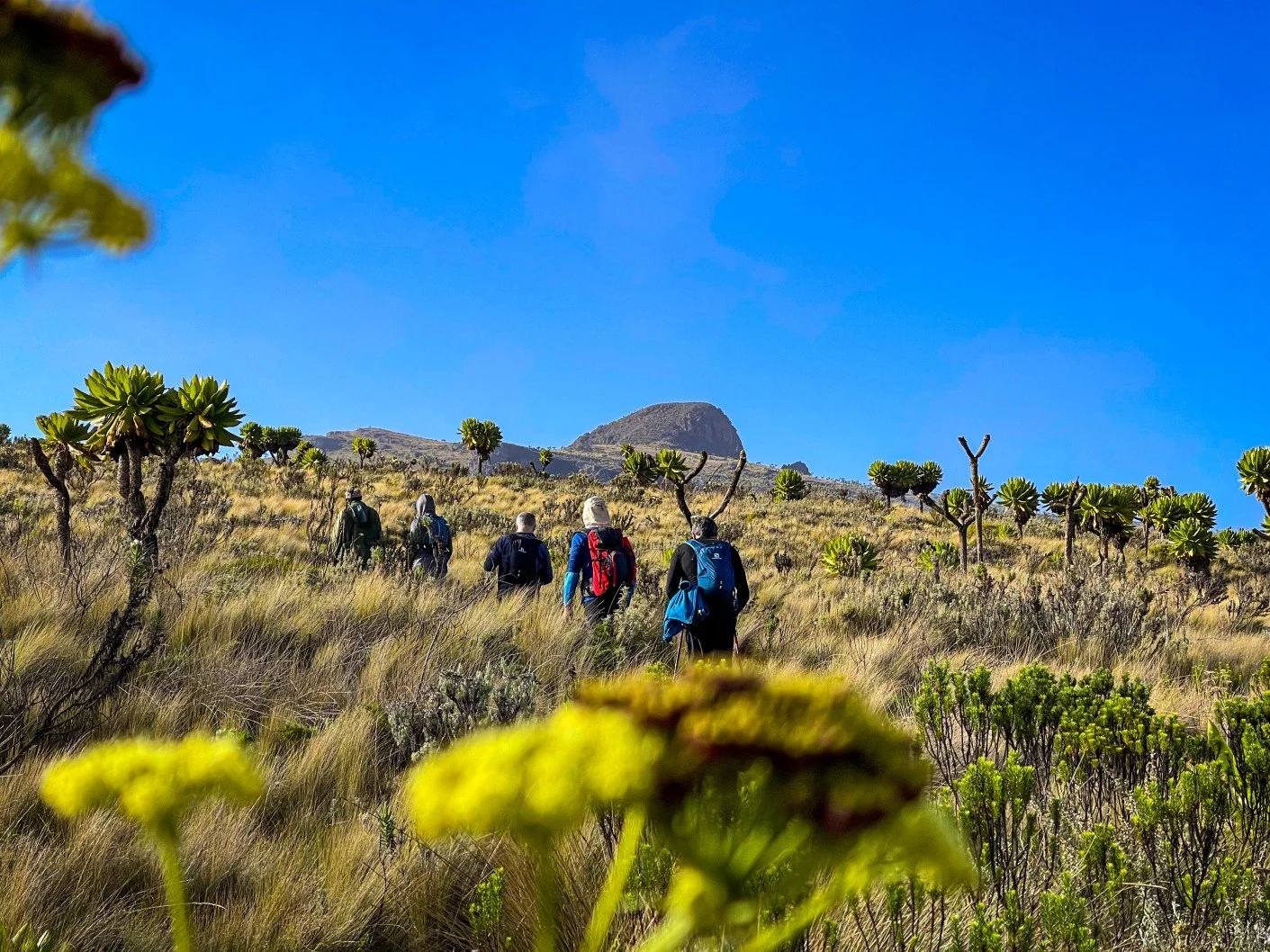
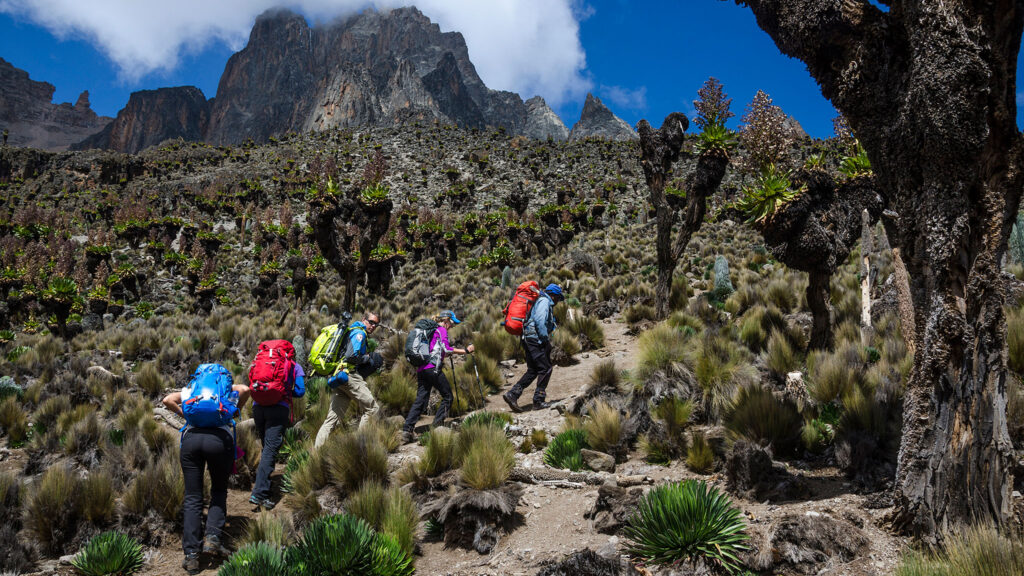
Mount Elgon is an ancient extinct volcanic massif with a huge caldera and a succession of vegetation zones. The lower slopes contain lush montane forest, which gradually changes into bamboo and Podocarpus forest, heathland and finally Afro-alpine moorland at higher elevations. Giant groundsels and lobelias are characteristic of the upper mountain.
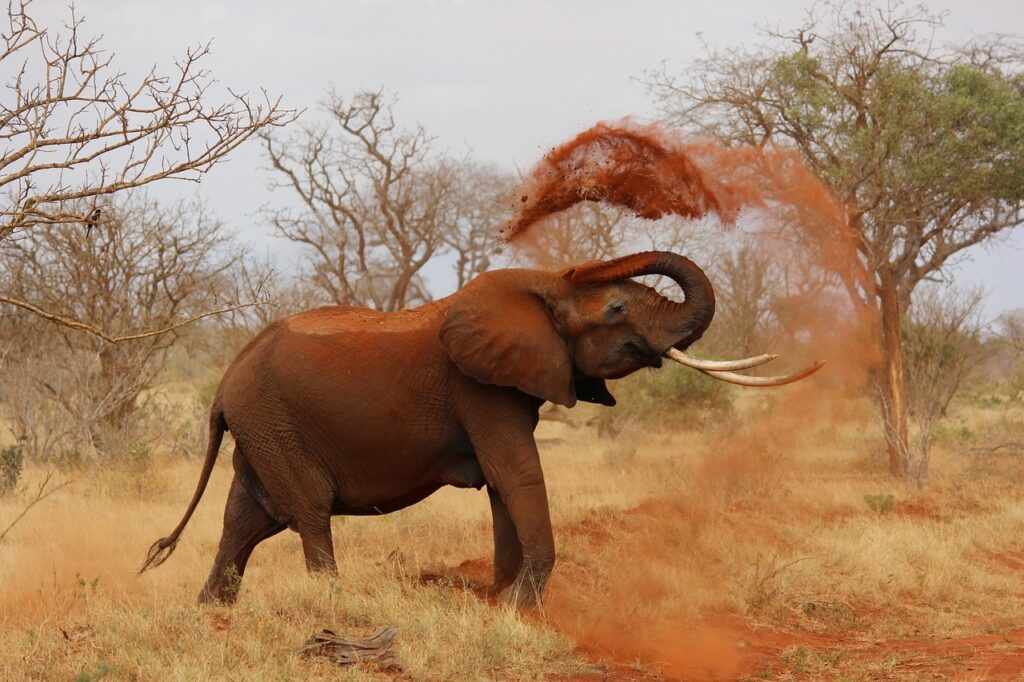
The park is also famous for its lava-tube caves, especially Kitum Cave, where elephants are known to enter the caves in search of mineral-rich salt deposits. Other attractions include Making’eny Cave, waterfalls, hot springs and Koitoboss Peak.
The park established in 1968, the park is renowned for its ancient volcanic scenery, enormous caldera, lava-tube caves, waterfalls, salt-mining elephants and rich montane biodiversity. From the misty forests of the lower slopes to the giant groundsels and lobelias of the high moorlands, Mount Elgon offers a unique combination of mountain adventure, wildlife, birdwatching, nature and cultural experiences.

WILDLIFE FOUND IN MOUNT ELGON NATIONAL PARK
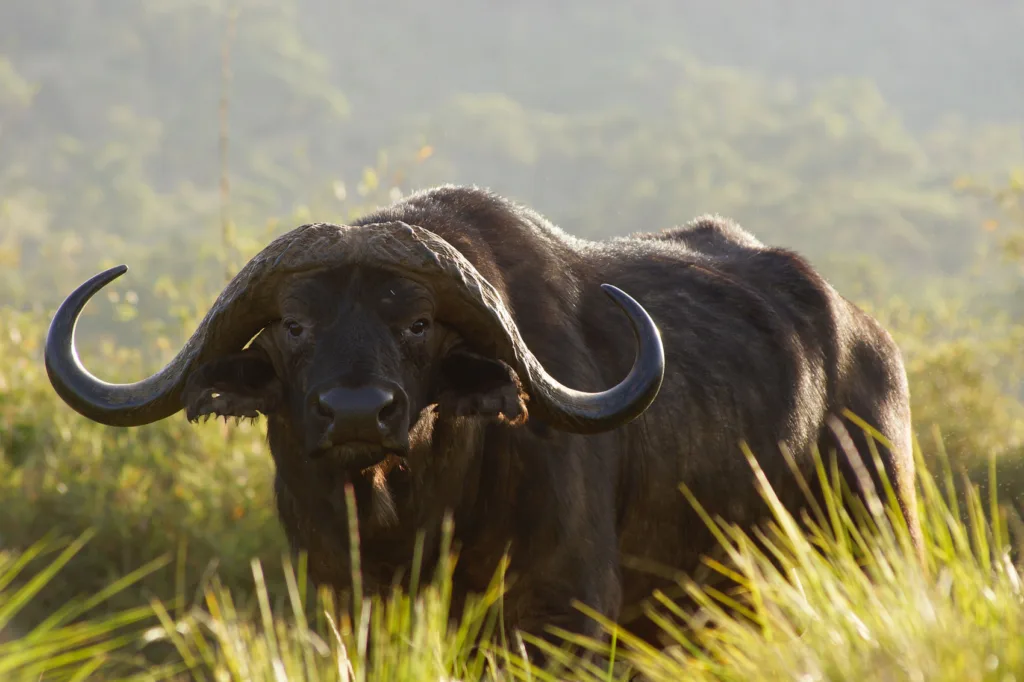
Mount Elgon National Park supports a diverse range of wildlife across its montane forests, bamboo zones, heathlands and alpine moorlands. The park is particularly famous for its salt -mining elephants, which enter the ancient lava-tube caves in search of mineral-rich salts.
Wildlife commonly encountered includes:
- African elephants, Leopards, Buffaloes, Giant forest hogs, Bushbucks, Waterbucks, Red duikers, Oribi, Black-and-white colobus monkeys, Sykes’ monkeys, Olive baboons, Spotted hyenas, Porcupines, Aardvarks, Rock hyraxes, Genets
The Famous Salt – Mining Elephants
One of Mount Elgon’s most remarkable wildlife experiences is watching elephants enter Kitum Cave. These elephants are sometimes called “troglodyte tuskers” because they venture deep into the ancient lava-tube caves to scrape and consume mineral-rich material from the cave walls. This unusual behavior is one of the park’s signature attractions.
Birdlife
Mount Elgon National Park is an important montane birding destination in western Kenya. The park’s forests, bamboo zones, heathlands and alpine moorlands provide a wide range of habitats for forest, highland and raptor species (More than 300 bird species).
Visitors may encounter:
- African crowned eagle, Black-and-white casqued hornbill, Hartlaub’s turaco, Abyssinian long-eared owl, Mountain buzzard, Augur buzzard, African goshawk, Sharpe’s longclaw, Jackson’s francolin, Tacazze sunbird, Eastern double-collared sunbird, Bronze sunbirds, Malachite sunbird, Yellow-bellied waxbill, Red-headed malimbe, African blue flycatcher, White-starred robin, Black-throated apalis, Mountain yellow warbler and Olive woodpecker including other birds species.
MAJOR ATTRACTIONS & ACTIVITIES WITHIN MOUNT ELGON NATIONAL PARK
Kitum Cave
One of the park’s most famous attractions, Kitum Cave is an ancient lava-tube cave carved into the volcanic mountain. It is particularly renowned for elephants that enter the cave to access mineral-rich deposits.
Activities within the park.
- Birdwatching
- Wildlife Viewing
- Cave Exploration
- Mountain Camping
- Mountain Trekking & Hiking
- Waterfall & Scenic Exploration
Activities outside the park.
- Cultural Experiences
Mount Elgon National Park as a spectacular destination filled with natural and geological attractions. Provide the best ground to explore the legendary Kitum Cave, trek toward Koitoboss Peak, admire the vast volcanic caldera and discover lush montane forests, waterfalls and unique Afro-alpine landscapes. Combined with the park’s famous salt-mining elephants.
ROUTES FOR MOUNT ELGON CLIMBING & TREKKING
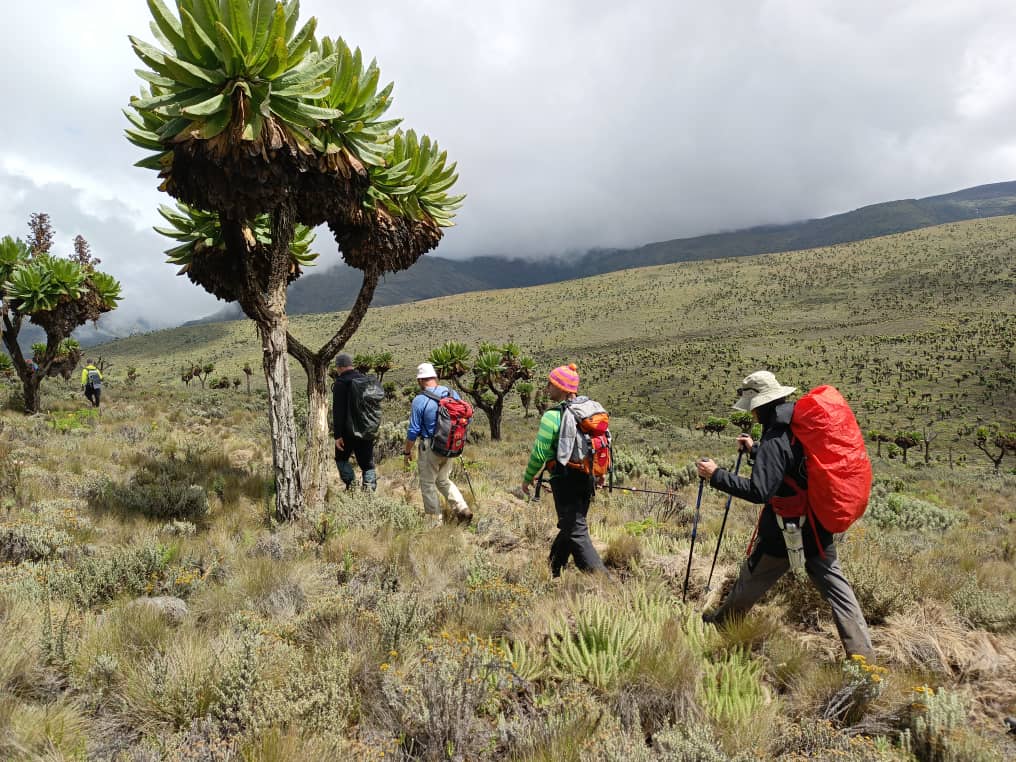
Mount Elgon offers a rewarding trekking experience through montane forests, bamboo zones, heathlands, moorlands and spectacular volcanic landscapes. Unlike Mount Kenya, Mount Elgon is generally less focused on technical summit climbing, making it attractive for travelers looking for scenic hiking, nature, wildlife and cultural experiences.
Main Trekking Routes
Kimothon route
The Kimothon route is one of the main approaches on the Kenyan side. It leads trekkers through forest and higher-altitude vegetation toward the mountain’s upper slopes and Koitoboss Peak (about 4,222 m).
Kitale/Endebess Route
The western side around Kitale and Endebess provides access to Mount Elgon’s lower slopes and forest areas. These routes are particularly suitable for nature walks, birdwatching and exploring the mountain ecosystem.
Koitoboss Trek Route
The route with a higher-altitude challenge, the journey toward Koitoboss Peak provides spectacular views across the mountain and surrounding Kenyan landscape. The route passes through changing vegetation zones as elevation increases.
EXPERIENCE ALONG THE TREK
As you climb Mount Elgon, the scenery changes dramatically:
Montane forest → Bamboo forest → Heathland → Afro-alpine moorland → Rocky high-altitude terrain
Along the way, trekkers may encounter elephants, buffaloes, monkeys, antelopes and numerous bird species, while the mountain’s volcanic history is visible in its caves, cliffs, valleys and distinctive rock formations.
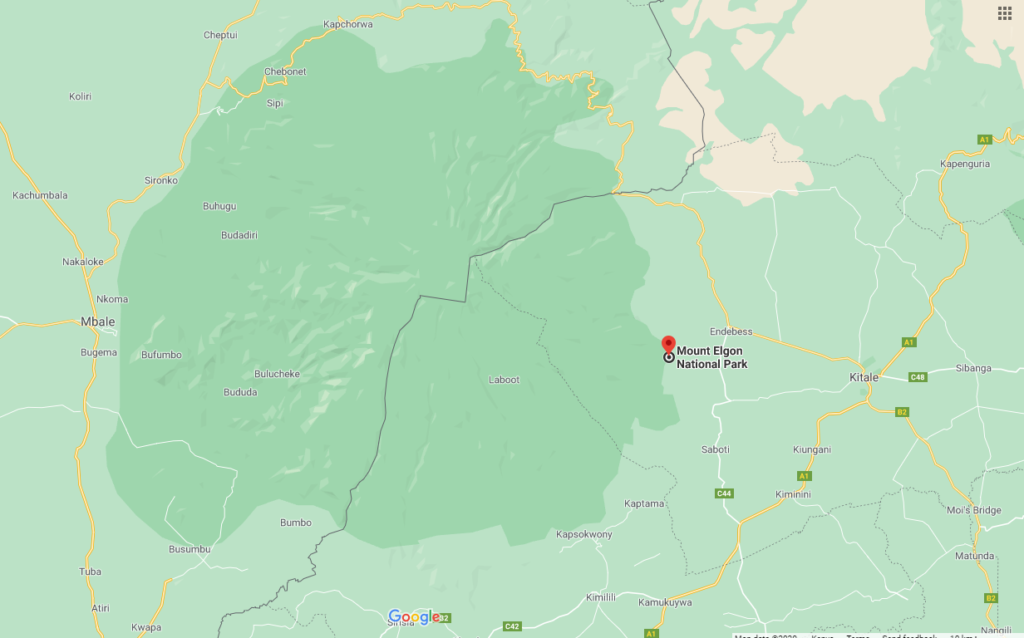
POPULAR CIRCUIT FOR CLIMBING & TREKKING MOUNT ELGON –
KITALE/ENDEBESS
Kitale/Endebess Route
The western side around Kitale and Endebess provides access to Mount Elgon’s lower slopes and forest areas. These routes are particularly suitable for nature walks, birdwatching and exploring the mountain ecosystem.
A scenic trekking circuit can be designed around Koitoboss Peak (approximately 4,222 m above sea level), taking trekkers through the mountain’s diverse ecological zones.
Typical progression:
Kitale/Endebess → Mount Elgon Forest → Bamboo Zone → Moorlands → Koitoboss Peak → Descent through the mountain wilderness
THE BEST TIME TO VISIT MOUNT ELGON NATIONAL PARK
Mount Elgon National Park can be visited throughout the year, but the best period depends on whether your main interest is mountain trekking, climbing, wildlife, photography or birdwatching. Because of the mountain’s altitude, weather conditions can change quickly, and the higher elevations are considerably colder and wetter than the lower forest zones. Kenya Wildlife Service recommends visitors carry warm clothing and appropriate hiking or mountaineering equipment.
Best time according to Moth’s
January – February: Excellent for trekking
- Generally, among the most favorable months for mountain trekking and climbing. Conditions are often relatively dry, giving hikers better opportunities for clear views of the peaks, valleys, glaciers and surrounding landscapes.
June – September: Good dry season conditions
- Generally, provides another favorable period for exploring Mount Elgon. The weather is cooler at altitude, and comparatively drier conditions can make mountain trails more manageable. This period is well suited to travelers interested in trekking, mountaineering, wildlife viewing in the lower forests and photography.
March–May: Long-rain season
- The long rains generally occur from March to May, transforming Mount Elgon normally dry landscape into a much greener and more vibrant environment. Rainfall brings fresh vegetation, replenishes wetlands and creates dramatic seasonal scenery.
November – December: Best for green landscapes, birdlife and a quieter atmosphere
- Bring the shorter rains, which can gradually refresh the landscape after the dry season. The arrival of rain stimulates new vegetation growth, and the plains can become increasingly green.
Mount Elgon National Park is a year-round destination, but the drier periods, particularly January – February and June – September, generally provide more favorable conditions for trekking, climbing and enjoying clear mountain views. The rainy seasons bring lush forests, vibrant vegetation and dramatic scenery, while also creating more challenging trail conditions.

DRIVE TIME TO MOUNT ELGON NATIONAL PARK
- Nairobi to Mount Elgon National Park: 5 hours
Typical route:
Nairobi → Nakuru → Eldoret → Kitale → Endebess → Chorlim Gate / Mount Elgon National Park
RELATED TREK'S!
Watch hundreds of thousands of wildebeest, accompanied by zebras and other herbivores, cross vast savannahs in search of fresh grazing, braving dramatic river crossings and powerful predators including crocodiles along the way. Happened at the Northern part of Serengeti - Kogatende through Mara river.
Experience the magic of the Great Migration calving season in the Southern Serengeti, especially around the Ndutu Plains. From January to March, vast herds of wildebeest gather on the green plains, with thousands of newborn calves taking their first steps. Witness incredible scenes of birth, survival, and predator action.
Experience the ultimate Tanzania adventure combining the breathtaking Great Migration Safari with the tropical beauty of Zanzibar. Witness vast herds of wildebeest and zebras across the Serengeti, then unwind on Zanzibar’s pristine beaches with crystal-clear waters, island excursions, snorkeling, and unforgettable sunsets.
Get In Touch
Its never too soon or too late to get in touch, we are always eager to help out