 info@mupanatours.com Blog
 +255714055829
DISCOVER MKOMAZI NATIONAL PARK
Encounter large herds of elephants, ancient baobab trees and a diverse range of wildlife across the beautiful semi-arid landscapes of northeastern Tanzania. An excellent destination for birdwatching and nature photography.
MKOMAZI NATIONAL PARK!
THE BEST OF MKOMAZI NATIONAL PARK
MKOMAZI NATIONAL PARK
The park is located in northeastern Tanzania, mainly within the Kilimanjaro and Tanga regions, along the Tanzania–Kenya border. Its strategic location connects it to Kenya’s Tsavo ecosystem, creating a vast transboundary landscape where wildlife can move across a much larger natural range. Covering approximately 3,245 square kilometres (km²), Mkomazi is a large and expansive wilderness area characterized by open savannahs, Acacia-Comephorid woodlands, dry bushland, seasonal wetlands, rocky hills and scattered ancient baobab trees.
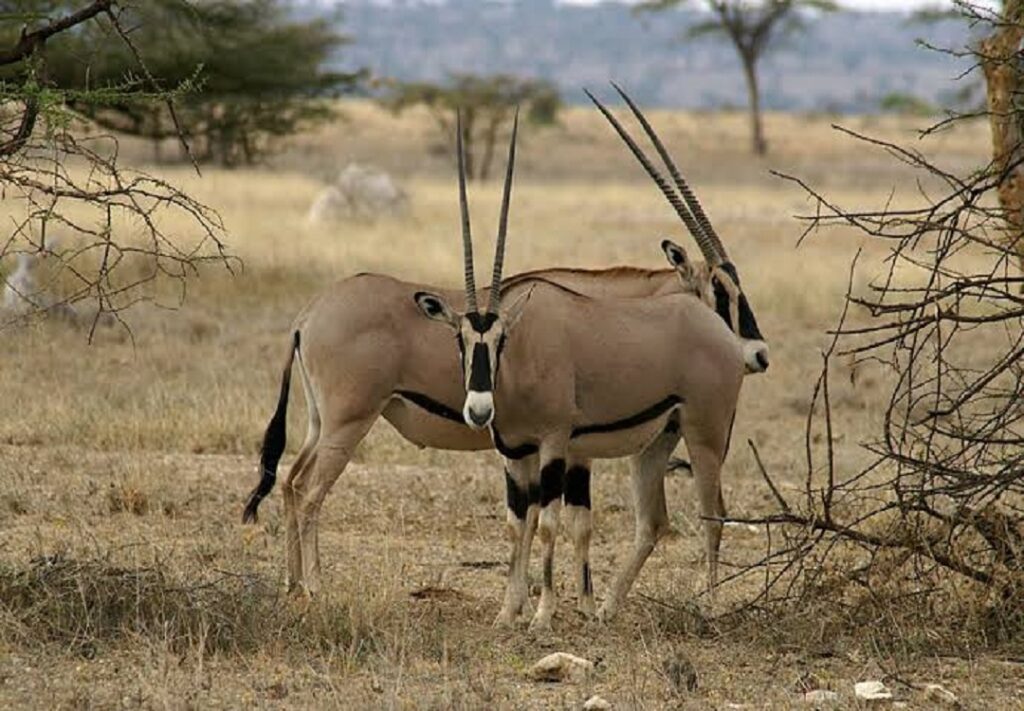
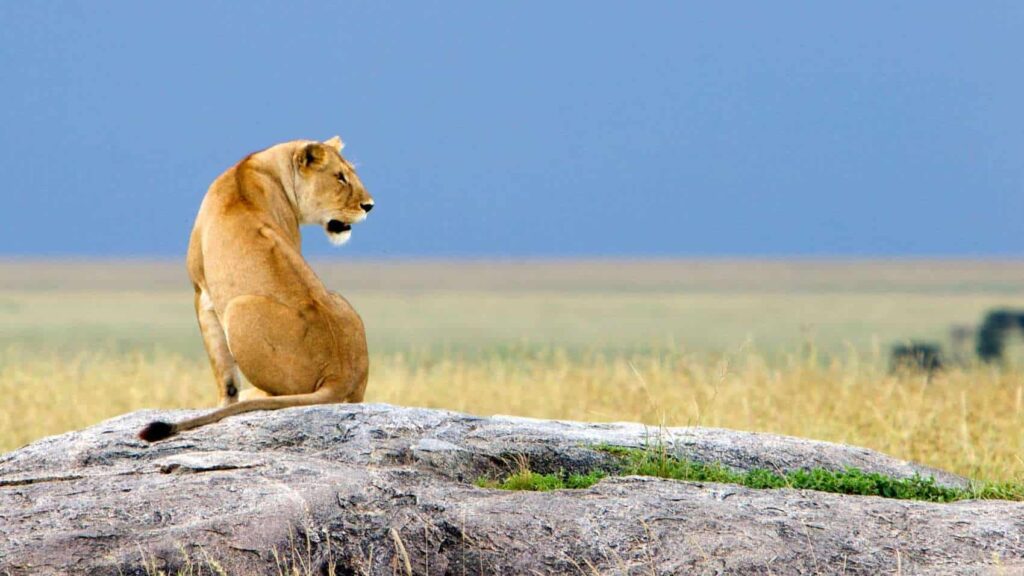
Its wide coverage gives wildlife considerable space to roam and creates a variety of habitats for elephants, lions, leopards, African wild dogs, black rhinos, giraffes, zebras, buffaloes, oryx, gerenuk, lesser kudu and many other species. The park’s broad landscapes also support more than 450 recorded bird species. The park’s position between the Pare Mountains, Usambara Mountains and the Kenyan border adds spectacular scenery, while on clear days visitors can enjoy views toward Mount Kilimanjaro.
WILDLIFE FOUND IN MKOMAZI NATIONAL PARK
Black Rhinoceros
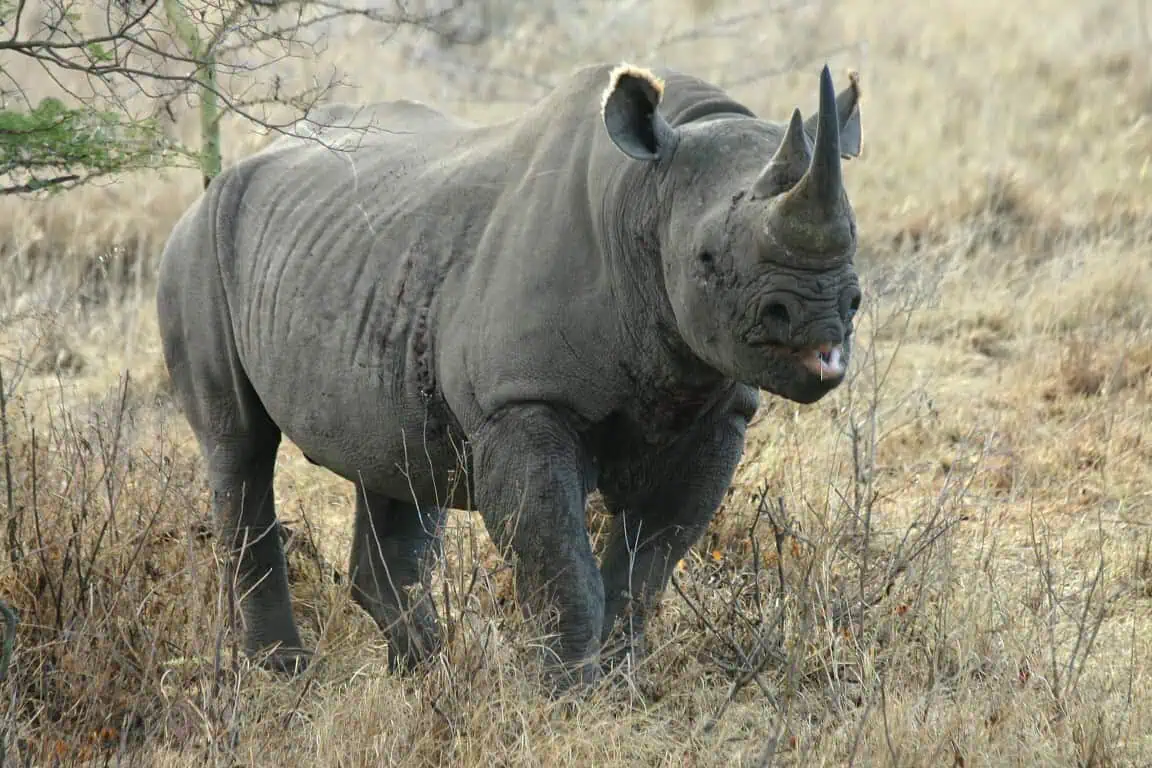
Considered as the park’s signature attraction. Mkomazi contains a dedicated rhino sanctuary, established to protect and support breeding of this critically endangered species. Visitors can experience rhino conservation and, where permitted, observe these remarkable animals.
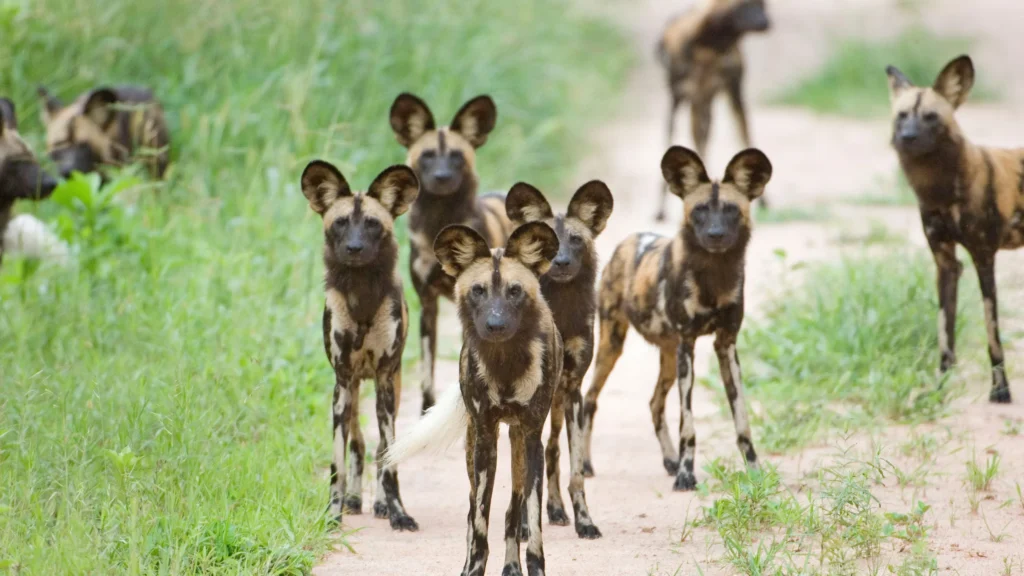
African Wild Dogs
The park also an important conservation area for African wild dogs, with conservation programs supporting their protection and reintroduction. These highly social predators can occasionally be encountered while exploring the park
Wildlife commonly encountered includes:
- Lions
- Oryx
- Eland
- Zebras
- Impala
- Giraffes
- Gerenuk
- Buffaloes
- Leopards
- Warthogs
- Hartebeest
- Lesser kudu
- Grant’s gazelle
- Spotted hyenas
- African elephants
- African wild dogs
Gerenuk – a special attraction
The gerenuk, sometimes called the giraffe-necked antelope, is one of Mkomazi’s distinctive species. Its unusually long neck allows it to browse on leaves from thorny bushes, and it can stand upright on its hind legs to reach higher vegetation. This is one of the reasons Mkomazi offers a different wildlife experience from the Serengeti and Ngorongoro.
Birdlife
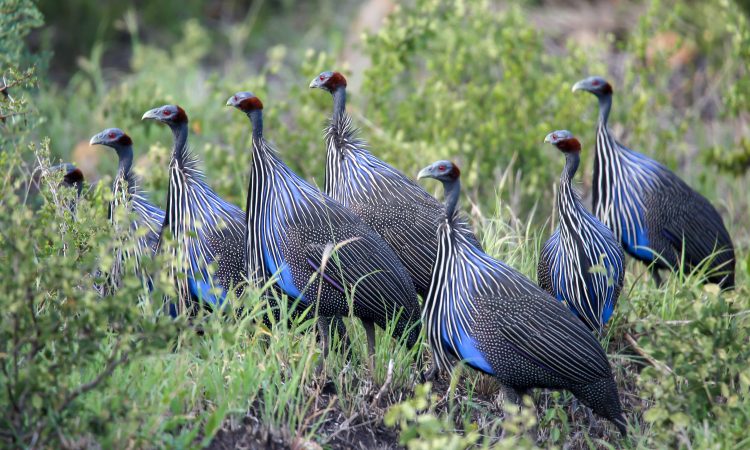
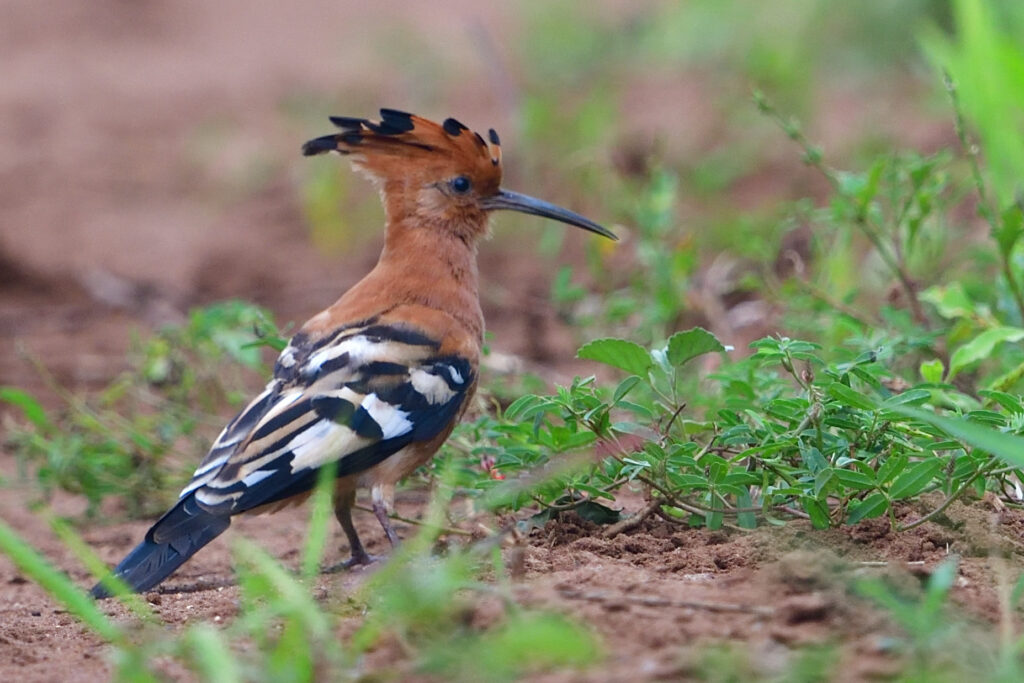
Mkomazi as an excellent destination for bird enthusiasts, provide with more than 450 bird species recorded according to government information. The combination of dry woodland, grassland and seasonal water sources attracts both resident and migratory birds.
Birdwatchers may encounter:
- Hornbills, Bee-eaters, Eagles, Vultures, Weavers, Rollers, Kingfishers, Doves, Guinea fowl, Raptors and Migratory birds.
THE BEST TIME TO VISIT MKOMAZI NATIONAL PARK
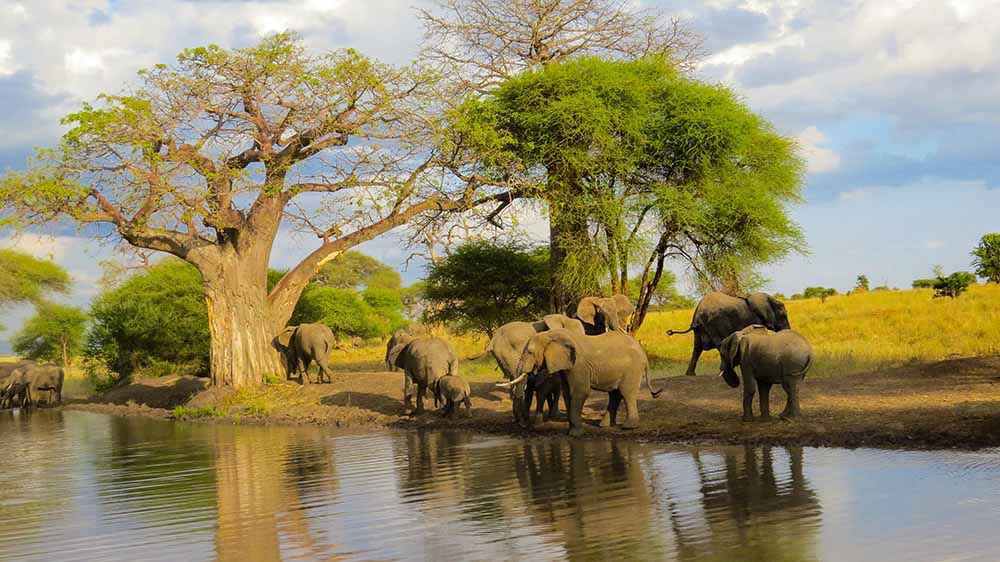
The park can be visited throughout the year, but the best time depends on what you want to experience. For travelers whose priority is wildlife viewing and large elephant herds, the dry season from June to October is generally the most rewarding period.
Best time according to Moth’s
June & October
- Best overall period for wildlife viewing
November – May
- Best for green landscapes, birdlife and a quieter atmosphere
The best time to experience Mkomazi National Park is from June to October, when the dry season brings wildlife closer to the seasonal rivers, streams, springs and natural ponds. Witness magnificent elephant herds, lions, giraffes, zebras, buffaloes and diverse birdlife against a spectacular backdrop of ancient baobabs and golden savannah. For a greener landscape and abundant birdlife, the months following the rains offer a beautiful alternative.
MAJOR ATTRACTIONS & ACTIVITIES WITHIN MKOMAZI NATIONAL PARK
Within the park.
- Hill Hiking
- Game Drive
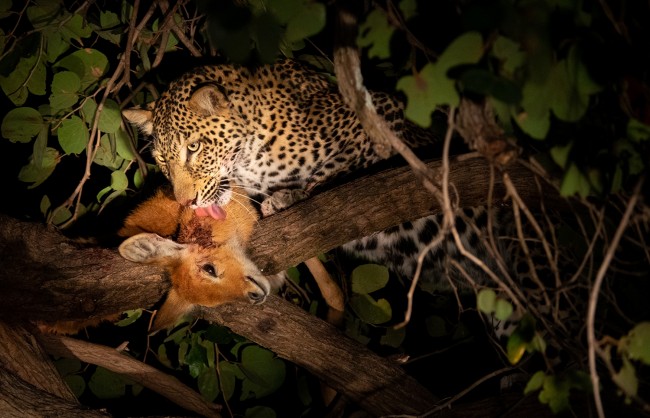
- Night game drive
- Rhino Sanctuary Visit
- Guided walking safari
Outside the park.
- Cultural and Village Tours
- Usambara Mountains Excursion
DRIVE TIME TO MKOMAZI NATIONAL PARK
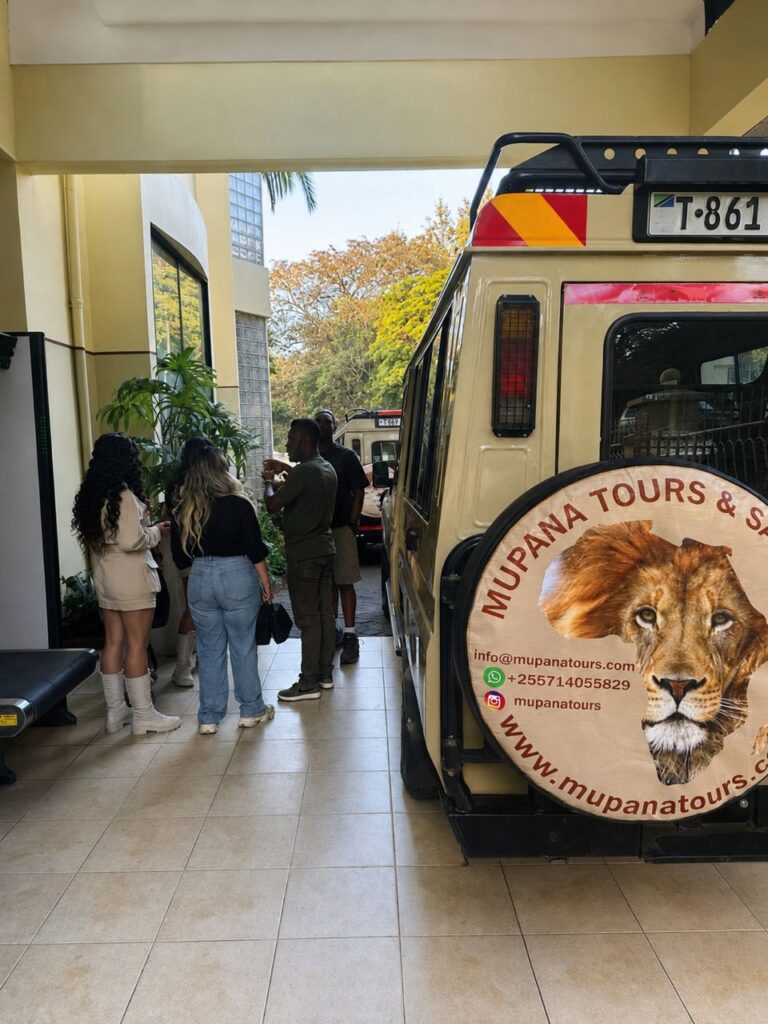
- Usambara to Dar es Salaam: 6 hours
- Arusha to Mkomazi National Park: 4 hours
- Mkomazi to Usambara Mountain: 3.5 hours
Typical Route: Arusha → Mkomazi National Park
Arusha → Moshi region → Mkomazi National Park
RELATED SAFARI'S!
Watch hundreds of thousands of wildebeest, accompanied by zebras and other herbivores, cross vast savannahs in search of fresh grazing, braving dramatic river crossings and powerful predators including crocodiles along the way. Happened at the Northern part of Serengeti - Kogatende through Mara river.
Experience the magic of the Great Migration calving season in the Southern Serengeti, especially around the Ndutu Plains. From January to March, vast herds of wildebeest gather on the green plains, with thousands of newborn calves taking their first steps. Witness incredible scenes of birth, survival, and predator action.
Experience the ultimate Tanzania adventure combining the breathtaking Great Migration Safari with the tropical beauty of Zanzibar. Witness vast herds of wildebeest and zebras across the Serengeti, then unwind on Zanzibar’s pristine beaches with crystal-clear waters, island excursions, snorkeling, and unforgettable sunsets.
Get In Touch
Its never too soon or too late to get in touch, we are always eager to help out