 info@mupanatours.com Blog
 +255714055829
DISCOVER AMBOSELI NATIONAL PARK
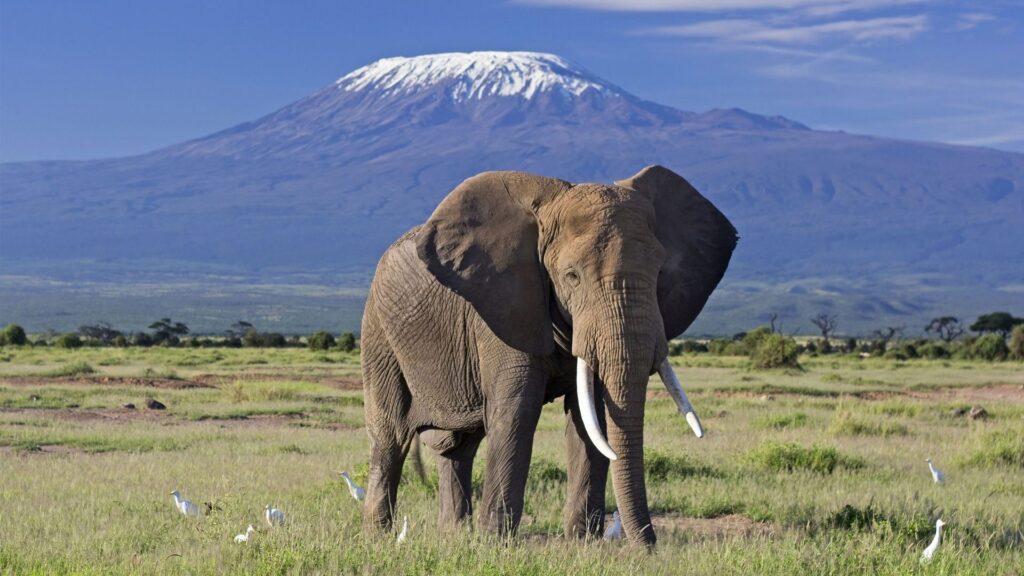
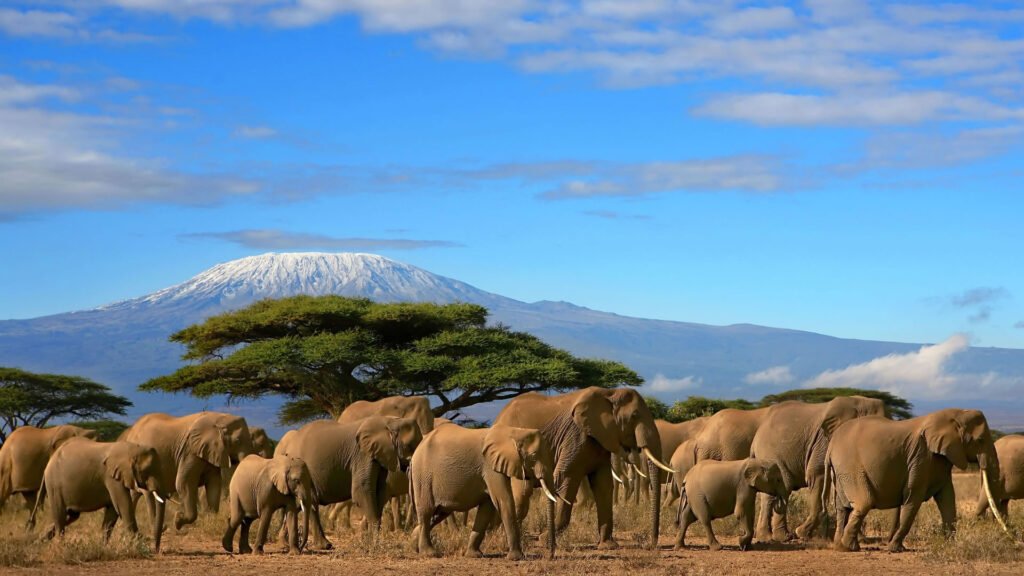
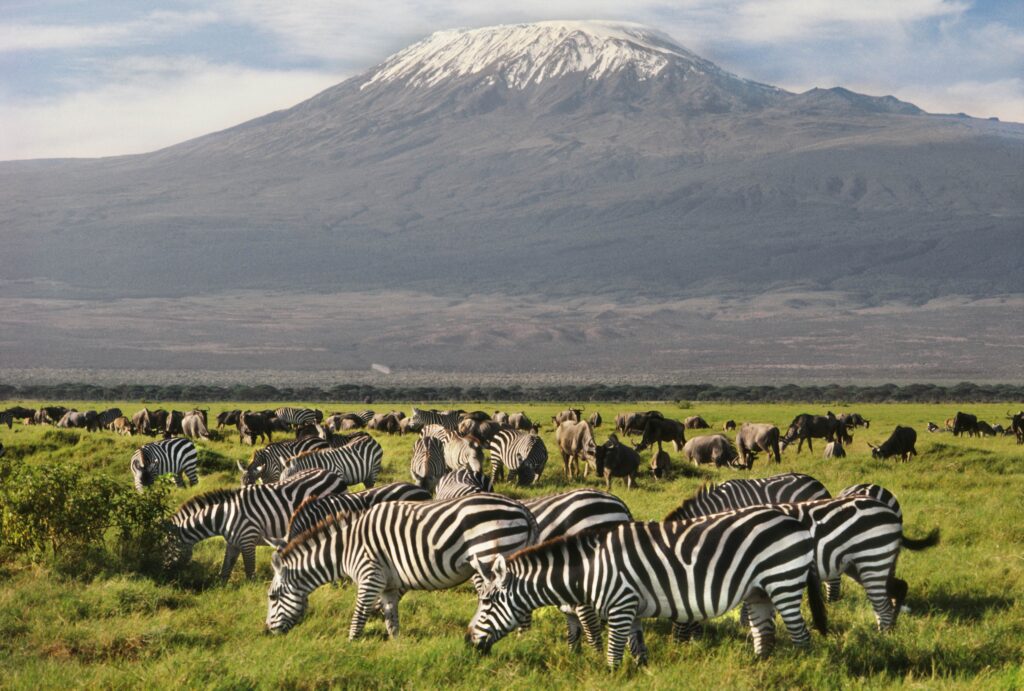
Explore the famous park for its large elephant herds and spectacular views of Mount Kilimanjaro, Africa’s highest mountain. Wildlife photography and bird watching particularly rewarded in Amboseli. During the changing seasons, the landscape transforms from lush green wetlands to golden savannah, creating constantly changing scenery.
AMBOSELI NATIONAL PARK!
THE BEST OF AMBOSELI NATIONAL PARK
AMBOSELI NATIONAL PARK
The park situated in Southern Kenya’s Kajiado County, near the Kenya–Tanzania border and directly north of Mount Kilimanjaro. Covering approximately 392 km² (39,200 hectares). The park is the most iconic wildlife destinations, where vast African savannahs meet the dramatic presence of Mount Kilimanjaro, Africa’s highest mountain. Located in southern Kenya near the Tanzania border, Amboseli is particularly famous for its large elephant herds, spectacular mountain views and remarkable combination of dry plains, wetlands and woodland habitats.
The changing seasons continually transform the appearance of the park. During wetter periods, the landscape can become lush, green and vibrant, with flourishing wetlands and abundant vegetation. As the dry season progresses, the scenery changes into golden grasslands and dusty plains, concentrating wildlife around reliable water sources and creating excellent opportunities for wildlife viewing.
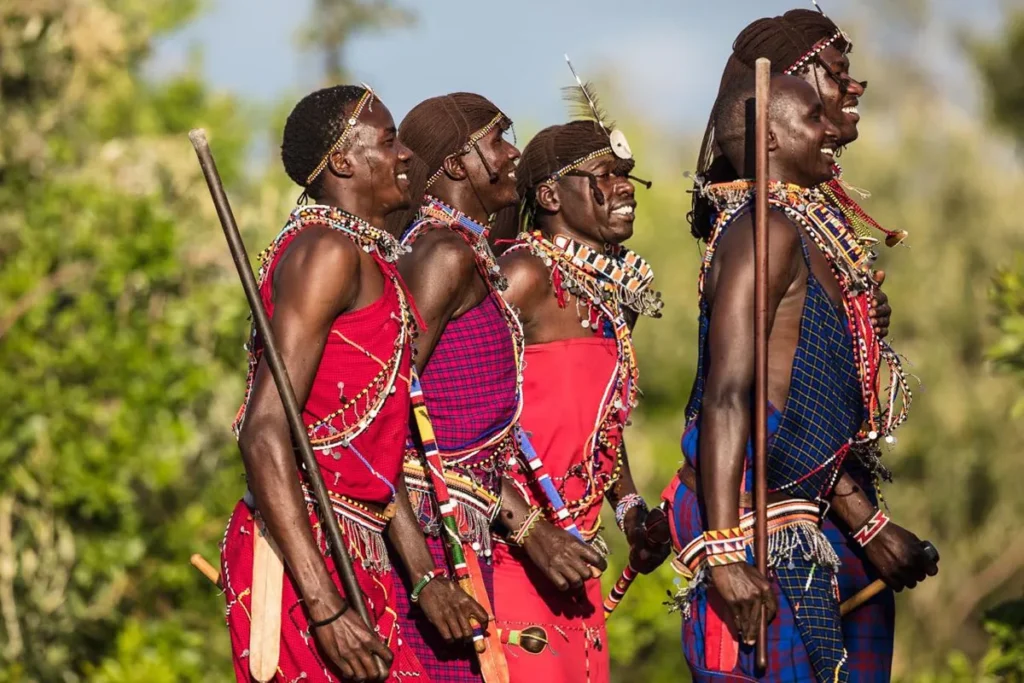
Beyond traditional game drives, Amboseli offers opportunities for wildlife photography, birdwatching, cultural experiences with Maasai communities, scenic viewpoints, nature experiences and balloon safaris. The combination of extraordinary wildlife, fascinating culture, changing landscapes and the unforgettable backdrop of Mount Kilimanjaro makes Amboseli a truly distinctive destination.
WILDLIFE FOUND IN AMBOSELI NATIONAL PARK
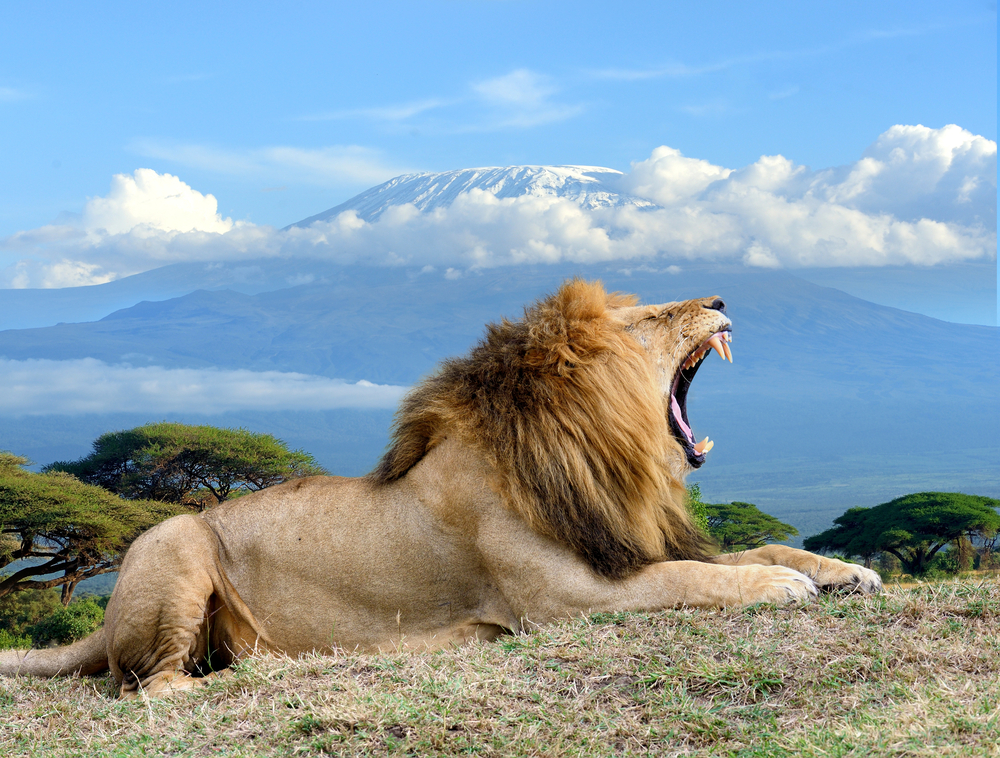
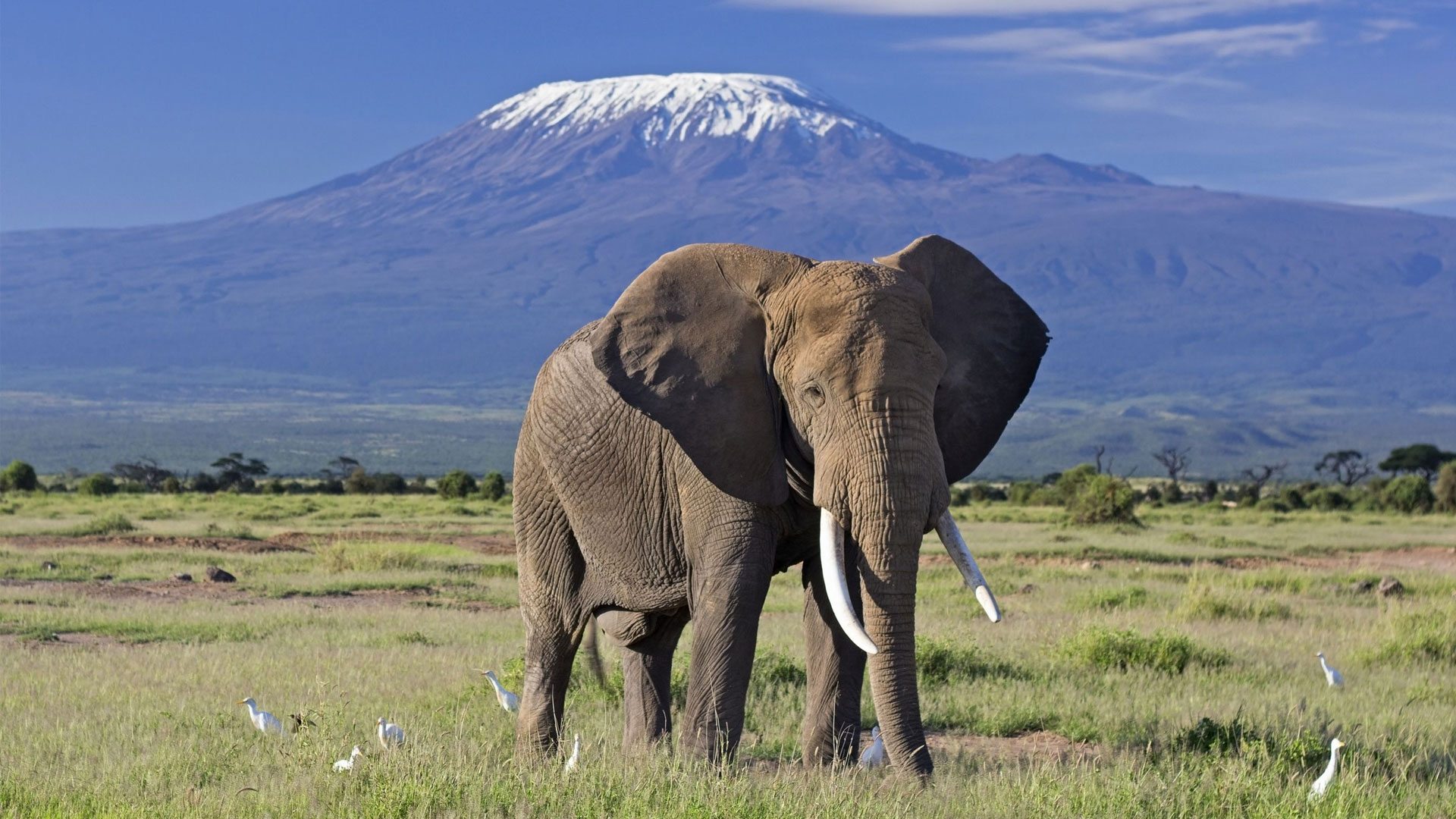
Amboseli is particularly renowned for its elephants, with the park and surrounding ecosystem supporting a substantial elephant population. The wider ecosystem also supports a diverse range of herbivores and predators.
Amboseli offer opportunities to encounter species includes:
- Lions
- Hippos
- Impalas
- Elands
- Gazelles
- Warthogs
- Gerenuks
- Leopards
- Cheetahs
- Wildebeest
- Lesser kudus
- Grant’s zebras
- Cape buffaloes
- Maasai giraffes
- African elephants
The Elephant Experience
Elephants and Kilimanjaro are one of Amboseli greatest attractions. The combination of enormous herds, open golden plains and Africa’s highest mountain creates exceptional opportunities for wildlife photography.
Birdlife
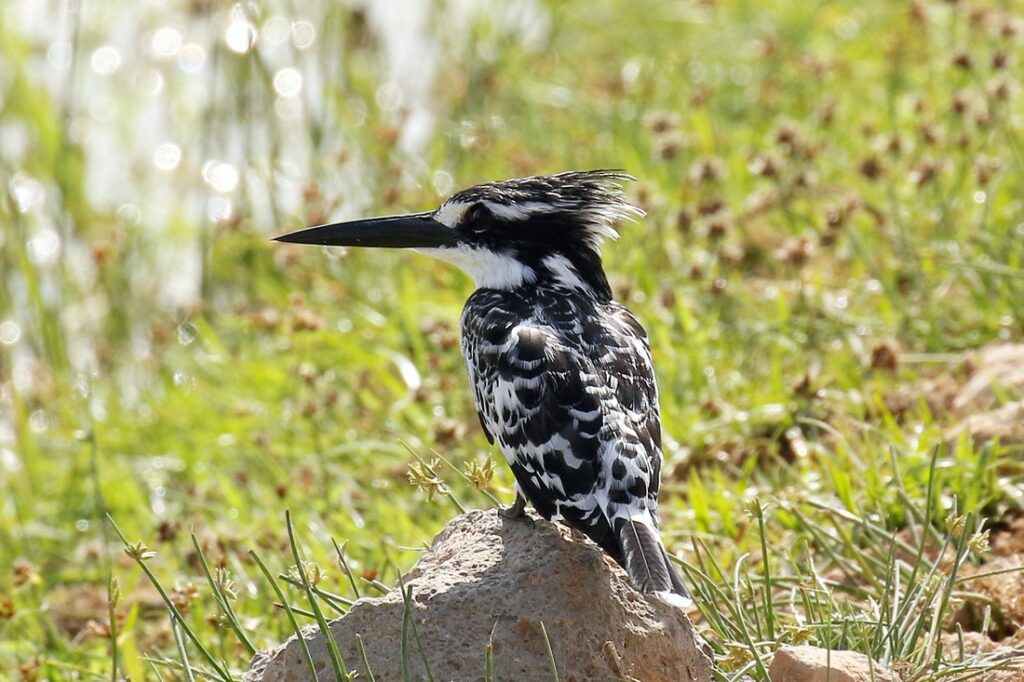
Amboseli is also an important birding destination and is recognized as an Important Bird Area (IBA). More than 400 bird species within the park.
Birds offered to encounter:
- Pelicans, Crakes, Bee-eaters, Hamerkop, Kingfishers, Flamingoes, Martial eagle, Pygmy falcon, Egyptian goose and African fish eagle
Amboseli is a rewarding destination for bird enthusiasts, with hundreds of bird species inhabiting its wetlands, grasslands, woodlands and open plains.
MAJOR ATTRACTIONS & ACTIVITIES WITHIN AMBOSELI NATIONAL PARK
Amboseli National Park offers a combination of wildlife, nature, photography and cultural experiences.
Activities within the park.
- Stargazing
- Game Drives
- Bird Watching
- Elephant Watching
- Wildlife Photography
- Hot-Air Balloon Safari
- Mount Kilimanjaro Viewing
Activities outside the park.
- Maasai Village visit
THE BEST TIME TO VISIT AMBOSELI NATIONAL PARK
The park can be visited throughout the year, and every season offers a different perspective of its wildlife and landscapes. However, the best period depends on whether your priority is wildlife concentration, photography, bird watching, green scenery or fewer visitors.
Best time according to Moth’s
June – October: Excellent for wildlife viewing
- Generally, one of the most rewarding periods for a classic Amboseli safari. This is the drier part of the year, when vegetation becomes less dense and animals are often easier to spot across the open plains. As the dry season progresses, wildlife increasingly depends on the park’s permanent wetlands, marshes and other reliable water sources.
January–February: Warm and Dry
- The weather offers another favorable window for visiting Amboseli. These months fall between the main rainy periods and can provide a good balance of wildlife viewing and green landscapes. There may still be water and vegetation in the wetlands, while the surrounding plains can remain relatively open for game viewing.
March–May: Long-rain season
- The long rains generally occur from March to May, transforming Amboseli’s normally dry landscape into a much greener and more vibrant environment. Rainfall brings fresh vegetation, replenishes wetlands and creates dramatic seasonal scenery.
November – December: Best for green landscapes, birdlife and a quieter atmosphere
- Bring the shorter rains, which can gradually refresh the landscape after the dry season. The arrival of rain stimulates new vegetation growth, and the plains can become increasingly green.
The best time to experience Amboseli National Park is throughout the year, as each season offers a unique safari experience.
DRIVE TIME TO AMBOSELI NATIONAL PARK
- Nairobi to Amboseli National Park: 4 hours
- Amboseli to Masai Mara National Reserve: 8 hours
RELATED SAFARI'S!
Watch hundreds of thousands of wildebeest, accompanied by zebras and other herbivores, cross vast savannahs in search of fresh grazing, braving dramatic river crossings and powerful predators including crocodiles along the way. Happened at the Northern part of Serengeti - Kogatende through Mara river.
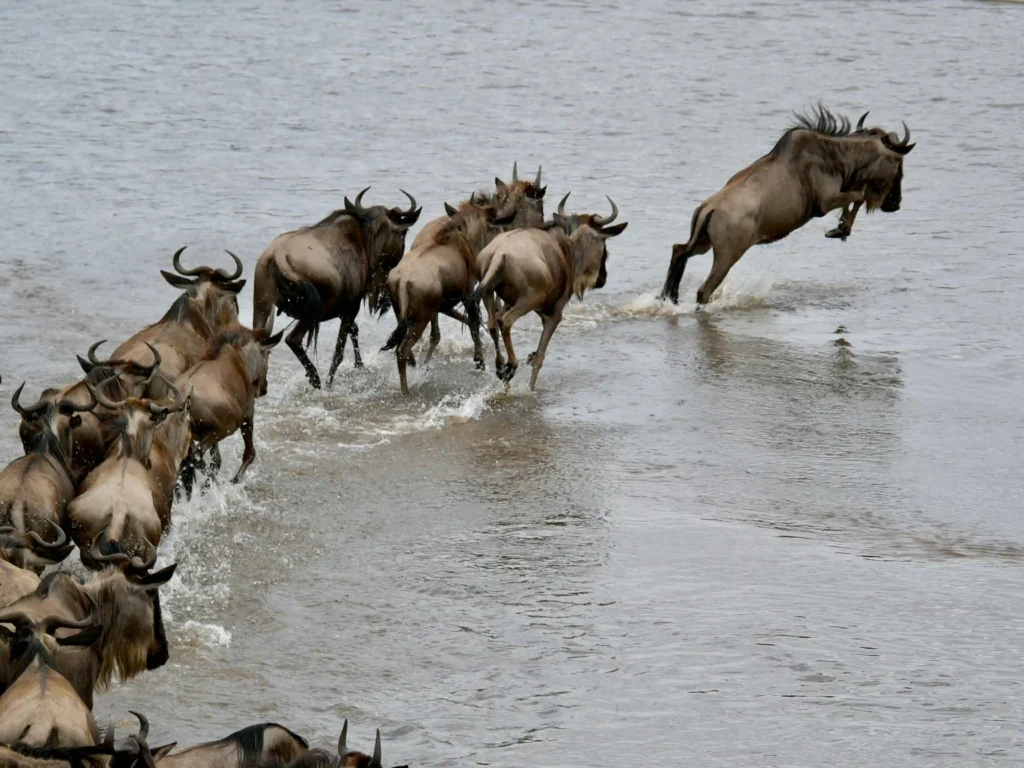
Experience the magic of the Great Migration calving season in the Southern Serengeti, especially around the Ndutu Plains. From January to March, vast herds of wildebeest gather on the green plains, with thousands of newborn calves taking their first steps. Witness incredible scenes of birth, survival, and predator action.
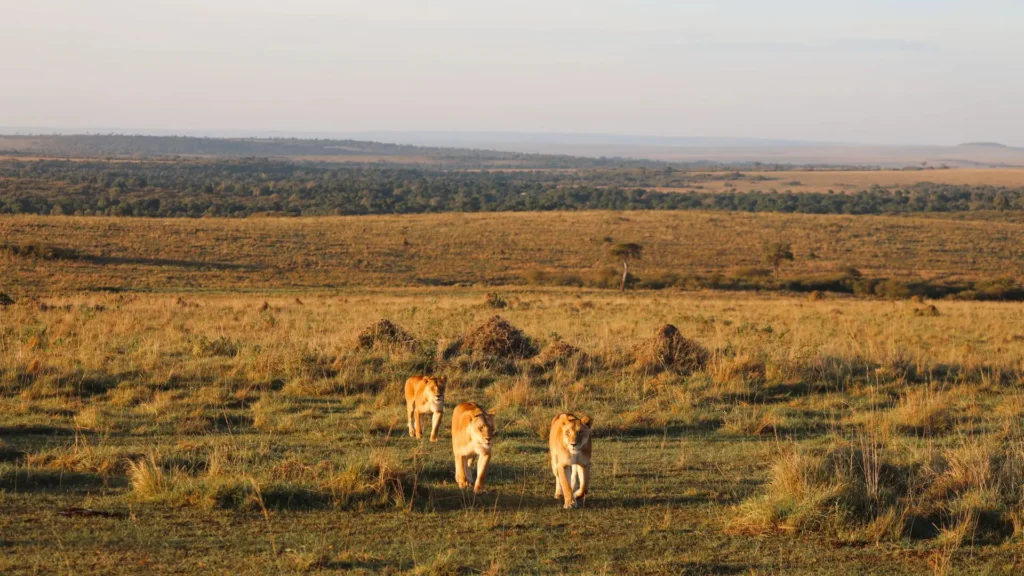
Experience the ultimate Tanzania adventure combining the breathtaking Great Migration Safari with the tropical beauty of Zanzibar. Witness vast herds of wildebeest and zebras across the Serengeti, then unwind on Zanzibar’s pristine beaches with crystal-clear waters, island excursions, snorkeling, and unforgettable sunsets.
Get In Touch
Its never too soon or too late to get in touch, we are always eager to help out