 info@mupanatours.com Blog
 +255714055829
Discover the breathtaking Ngorongoro Crater, a UNESCO World Heritage landscape and one of Tanzania’s most spectacular wildlife destinations. Descend into the vast crater floor to experience an extraordinary wildlife. Beyond the crater, the Ngorongoro Conservation Area protects a remarkable combination of wildlife, and Maasai communities living alongside nature.
DISCOVER NGORONGORO CRATER
NGORONGORO CRATER & NGORONGORO CONSERVATION AREA!
NGORONGORO CRATER
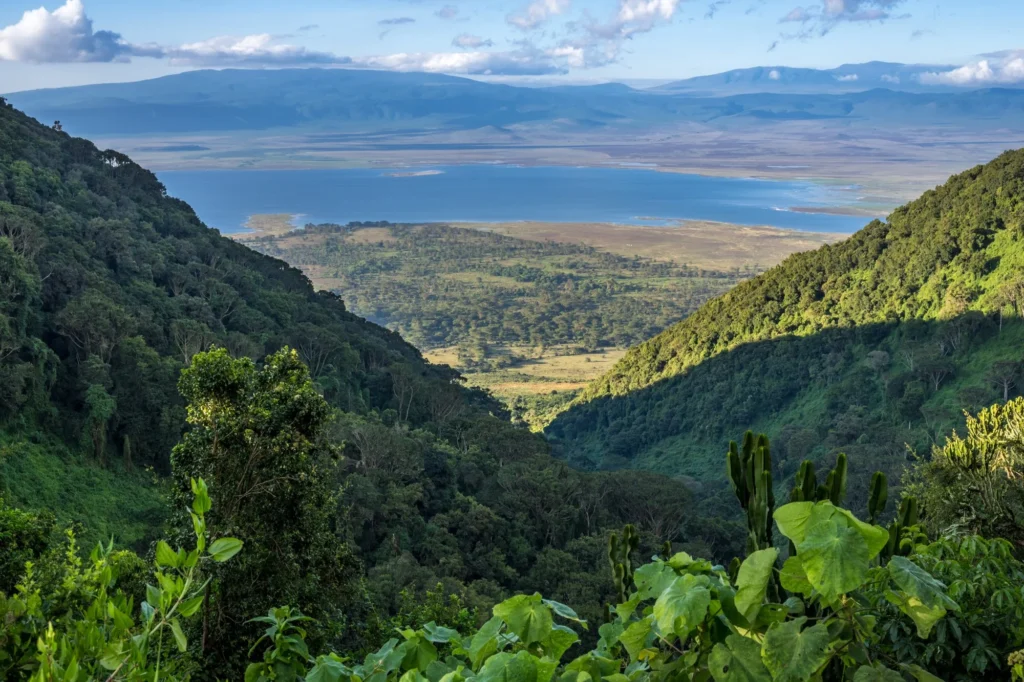
The Ngorongoro Crater is one of Tanzania’s most spectacular natural attractions and the centerpiece of the Ngorongoro Conservation Area. It is an enormous volcanic caldera formed when a massive volcano collapsed inward millions of years ago. Today, its enclosed grasslands, forests, wetlands and lake support an extraordinary concentration of wildlife.
The Ngorongoro Crater is an enormous volcanic caldera formed when a large volcano collapsed after a major eruption millions of years ago. Today, it forms a spectacular enclosed ecosystem where grasslands, forests, wetlands and Lake Magadi support a remarkable concentration of wildlife.
The crater measures approximately 16–20 kilometres across, while its floor covers around 260 square kilometres. From the crater rim to the floor, the caldera reaches a depth of approximately 600 metres, creating dramatic walls that surround the wildlife-rich basin.
The crater rim rises to roughly 2,300 metres above sea level, while the crater floor lies at approximately 1,700–1,800 metres above sea level. This significant difference in elevation creates the dramatic landscape visitors experience when looking down from the rim.
Despite its enormous size, the crater is relatively compact compared with the wider Ngorongoro Conservation Area, which covers more than 8,000 square kilometres. Its enclosed environment provides permanent water, grazing areas and shelter, helping support large numbers of wildlife throughout the year.
WILDLIFE FOUND IN NGORONGORO CRATER
The Ngorongoro Crater is one of Tanzania’s best wildlife-viewing destinations because its permanent water sources, fertile grasslands, wetlands and sheltered habitats support a remarkable concentration of animals throughout the year.
BIG FIVE
The crater is particularly famous for the Big Five:
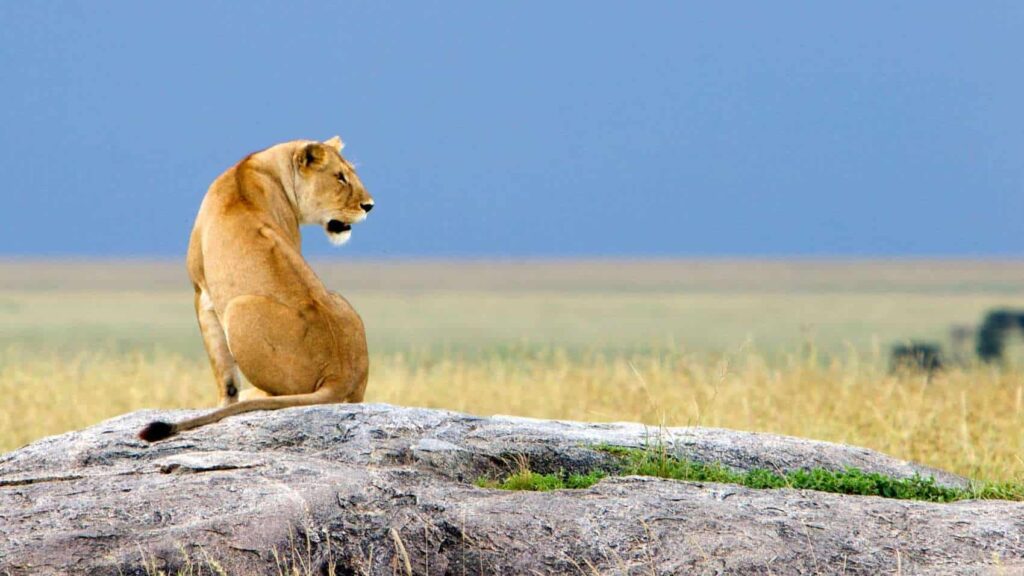
- Lion – Often seen resting or hunting across the crater floor.
- African Elephant – Large bulls are especially notable in the crater and surrounding forests.
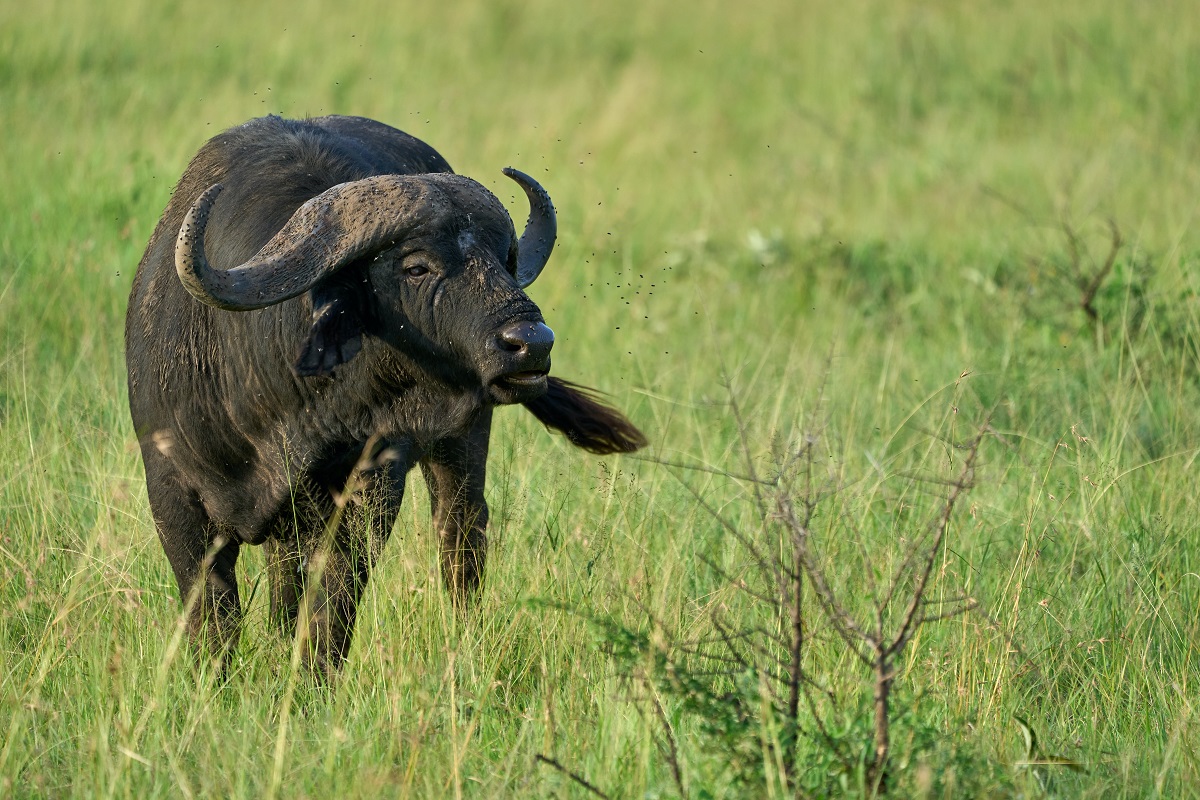
- Cape Buffalo – Commonly seen grazing in large groups.
- Black Rhinoceros – One of the crater’s most prized sightings; the open plains can provide good opportunities to observe them.
- Leopard – Present in the area but generally more difficult to spot because of its secretive behavior.
OTHER MAMMALS
Encounter many species wildlife in Ngorongoro Crater:
Wildebeest, Zebra, Hippopotamus, Spotted hyena, Thomson’s gazelle, Grant’s gazelle, Eland, Warthog, Common jackal, Waterbuck, Hartebeest, Baboon, Serval, Golden jackal and so many animals.
BIRDLIFE
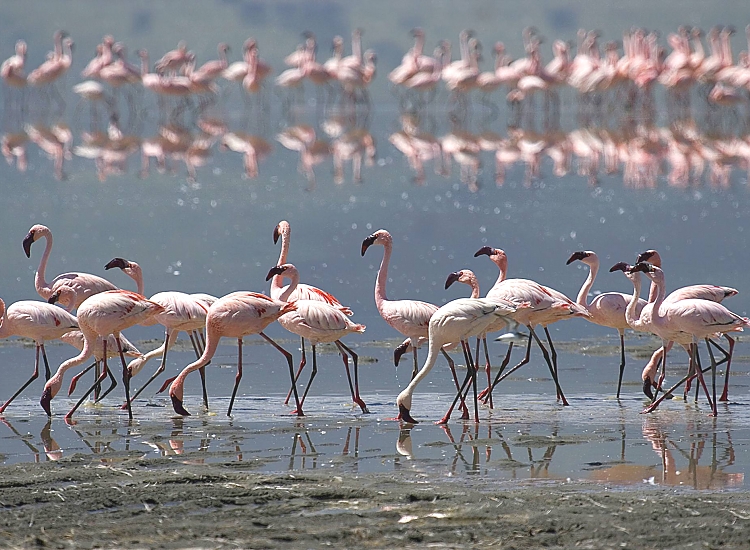
Ngorongoro Crater the excellent destination for birdwatching. The wider Conservation Area supports more than 500 bird species, while the crater’s lakes, wetlands and grasslands attract flamingos, storks, ibises, ducks, crowned cranes, ostriches, kori bustards and many other species. The crater’s wetlands and Lake Magadi provide important habitat for hippos and numerous water birds. During suitable conditions, flamingos can gather around the shallow alkaline waters.
NGORONGORO CONSERVATION AREA
The Ngorongoro Conservation Area is a UNESCO World Heritage Site, recognized for its exceptional combination of geological, ecological, wildlife and archaeological significance. The Ngorongoro Conservation Area (NCA) one of the most Tanzania’s remarkable protected landscapes, located in northern Tanzania between the Serengeti and the Great Rift Valley. Covering approximately 8,292 km², it is much larger than the famous Ngorongoro Crater itself.
What makes the NCA unique is its multiple-use approach to conservation. Wildlife protection, nature conservation, tourism, archaeological research, and the traditional livelihoods of local communities particularly Maasai pastoralists take place within the same landscape.
The area contains an extraordinary variety of scenery, from highland forests and volcanic mountains to vast grasslands, seasonal lakes, valleys and ancient volcanic craters.
MAJOR ATTRACTIONS & ACTIVITIES WITHIN THE CONSERVATION AREA
ATTRACTIONS.
- Ngorongoro Crater – The world-famous volcanic caldera and exceptional wildlife-viewing destination.
- Ndutu Plains – A major area for the Great Migration’s calving season, especially from January to March.
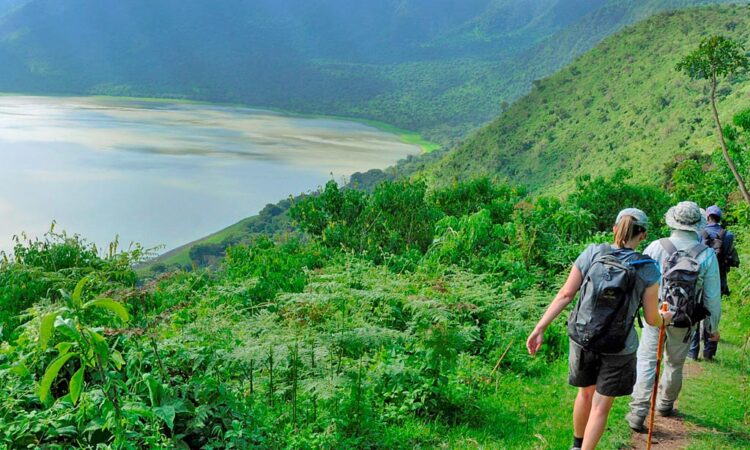
- Empakaai Crater – A beautiful volcanic crater known for its forested slopes, lake and hiking opportunities.
- Olmoti Crater – A smaller volcanic crater offering scenic walks and views of its waterfalls and surrounding landscape.
- Gol Mountains – Rugged volcanic landscapes and remote wilderness.
- Olduvai Gorge – An internationally important archaeological site associated with research into human evolution.
- Laetoli – Famous for ancient hominin footprints preserved in volcanic deposits.
ACTIVITIES.
The Conservation Area offers a wide range of unforgettable experiences.
- Wildlife game drives: offering travelers the chance to explore spectacular conservation areas while observing wild animals in their natural habitats at Ndutu area.
- Guided walking and hiking: Accompanied by experienced local guides, visitors can explore scenic trails, volcanic landscapes, forests, grasslands and crater viewpoints while learning about the area’s wildlife, plants, geology and cultural heritage.
- Bird watching: Bird watching can be enjoyed throughout the year, with migratory birds adding greater diversity during certain seasons. Early mornings are particularly rewarding, when birds are most active and the landscape is peaceful.
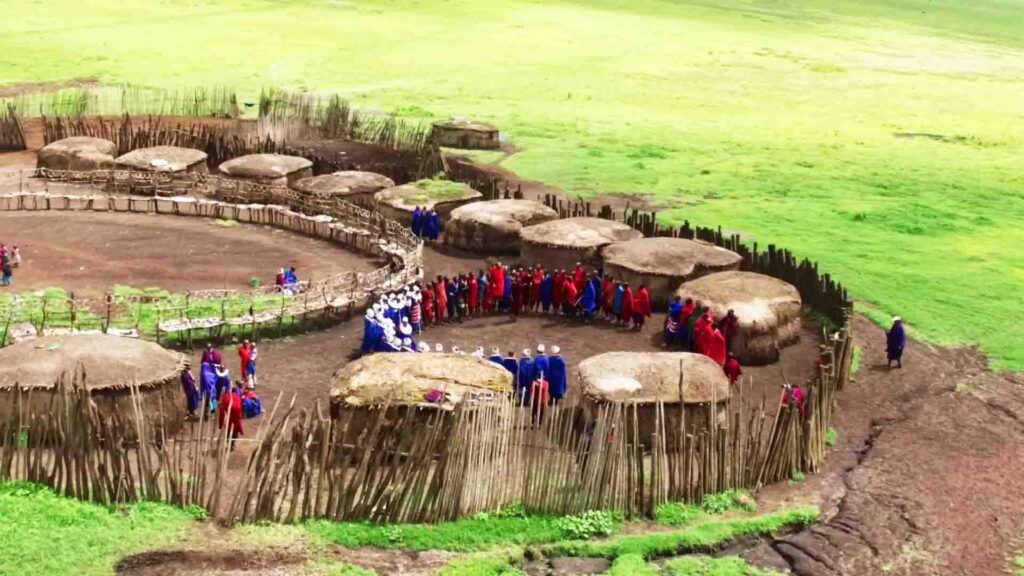
- Maasai cultural experiences: One of the defining features of the NCA is the presence of Maasai pastoral communities living alongside wildlife. Cultural visits can provide travelers with an opportunity to learn about traditional homes, livestock keeping, customs, crafts and the relationship between people and the natural environment.
- Visits to archaeological sites: One of the most important sites is Olduvai Gorge, often described as one of the most significant paleoanthropological sites in the world. Archaeological and fossil discoveries made here have provided valuable evidence about early human ancestors and the development of human history.
- Exploring volcanic craters and landscapes: Explore remarkable volcanic formations such as Empakaai Crater and Olmoti Crater, each offering a different landscape and experience. From crater rims, travelers can enjoy breathtaking panoramic views of forests, lakes, grasslands and distant mountains.
DRIVE TIME TO NGORONGORO CONSERVATION AREA
- Arusha to Ngorongoro Conservation Area: 3 hours
- Ngorongoro Conservation Area to Tarangire National Park: 2 hrs
- Ngorongoro Conservation Area to Serengeti National Park: 2 hrs
- Ngorongoro Conservation Area to Lake Manyara National Park: 1 hr
RELATED SAFARI'S!
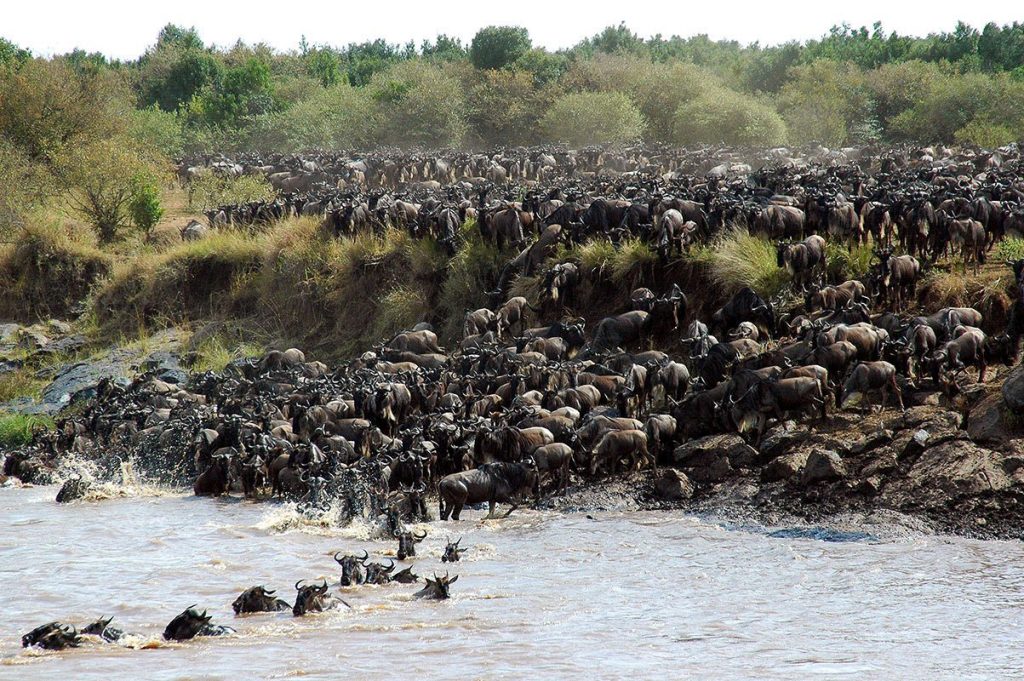
Watch hundreds of thousands of wildebeest, accompanied by zebras and other herbivores, cross vast savannahs in search of fresh grazing, braving dramatic river crossings and powerful predators including crocodiles along the way. Happened at the Northern part of Serengeti - Kogatende through Mara river.
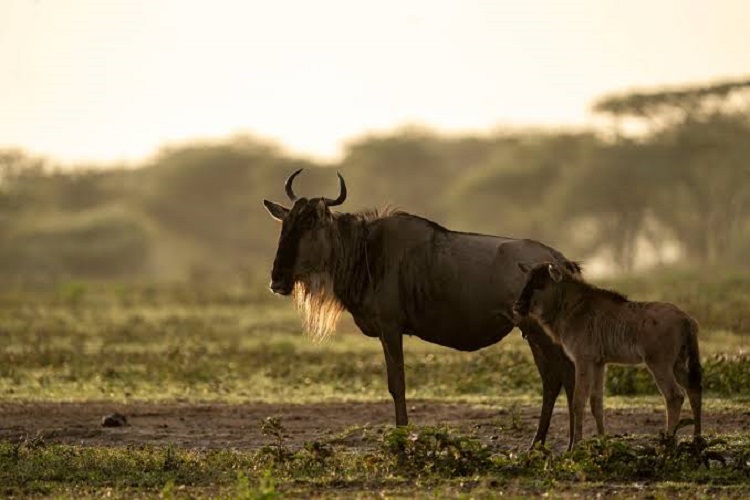
Experience the magic of the Great Migration calving season in the Southern Serengeti, especially around the Ndutu Plains. From January to March, vast herds of wildebeest gather on the green plains, with thousands of newborn calves taking their first steps. Witness incredible scenes of birth, survival, and predator action.
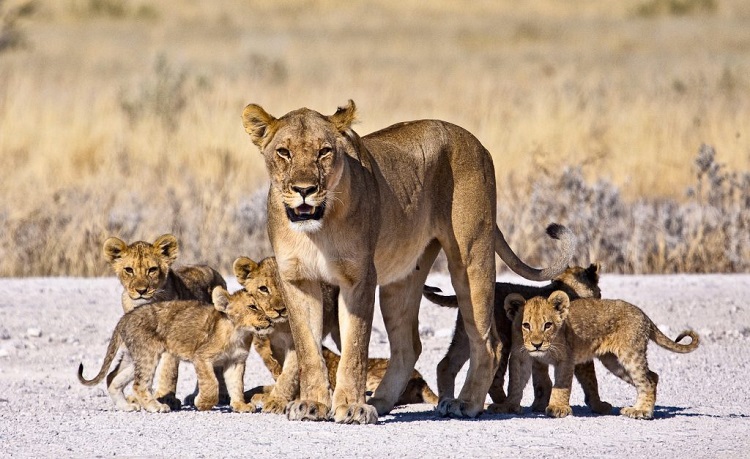
Experience the ultimate Tanzania adventure combining the breathtaking Great Migration Safari with the tropical beauty of Zanzibar. Witness vast herds of wildebeest and zebras across the Serengeti, then unwind on Zanzibar’s pristine beaches with crystal-clear waters, island excursions, snorkeling, and unforgettable sunsets.
Get In Touch
Its never too soon or too late to get in touch, we are always eager to help out