 info@mupanatours.com Blog
 +255714055829
DISCOVER MOMBASA CITY
Uncover the vibrant coastal city where rich Swahili heritage, fascinating history, tropical beaches and the warm waters of the Indian Ocean come together. Explore historic Old Town and Fort Jesus, enjoy beautiful beaches, discover marine life and experience the unique culture, cuisine and hospitality of Kenya’s spectacular coastline.
MOMBASA CITY!
THE BEST OF MOMBASA CITY
MOMBASA CITY
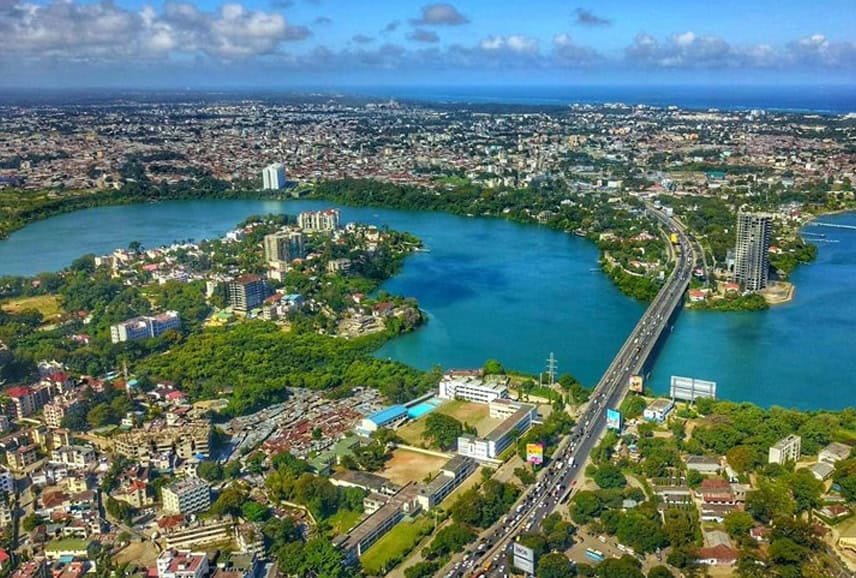
Mombasa is Kenya’s historic coastal city and one of East Africa’s most important Indian Ocean port, cultural and tourism centers. Located on Kenya’s southeastern coastline, the city combines tropical beaches, Swahili culture, centuries of maritime history, lively markets, historic architecture and modern coastal tourism. The city’s character has been shaped by centuries of interaction between African, Arab, Persian, Portuguese, Indian and European communities.
Mombasa is situated on the Indian Ocean coast of southeastern Kenya, bordered by Kilifi County to the north and Kwale County to the south and southwest. Much of the historic city occupies Mombasa Island, which is connected to the mainland by bridges, causeways and the Likoni Ferry. Mombasa County covers approximately 229.9 km² of land, with an additional 65 km² of water mass according to county government planning documents.
MOMBASA CITY HISTORY & CULTURAL HERITAGE
Mombasa has a long maritime history dating back many centuries. Its position along Indian Ocean trade routes made it an important meeting point for African, Arab, Persian, Portuguese and later European and Indian traders. The city’s heritage is particularly visible in its architecture, religious buildings, markets, cuisine and Swahili traditions.
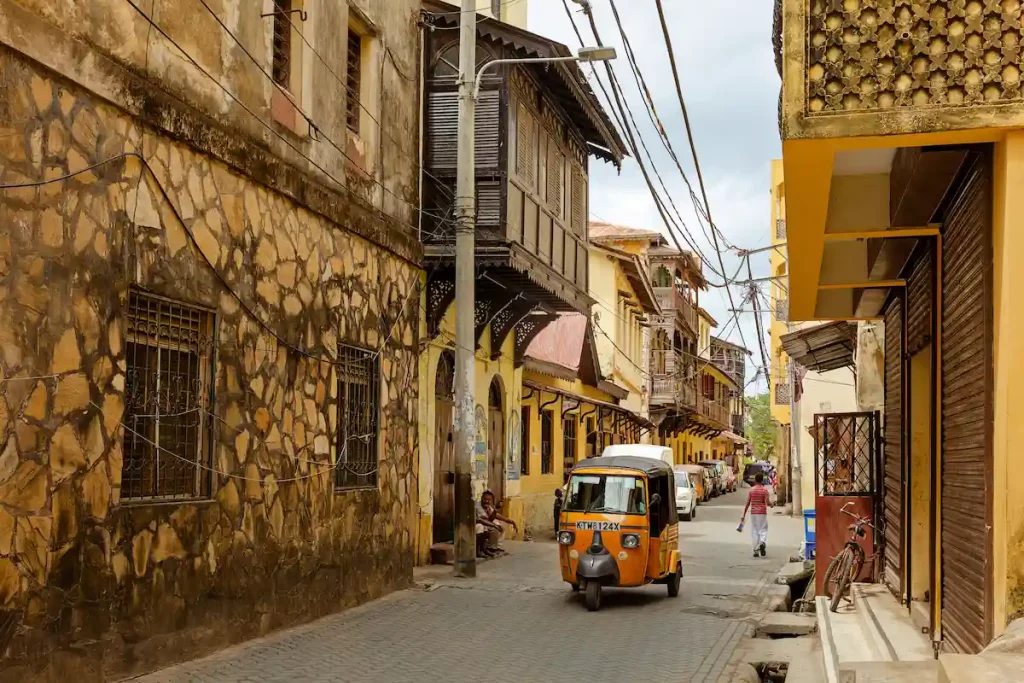
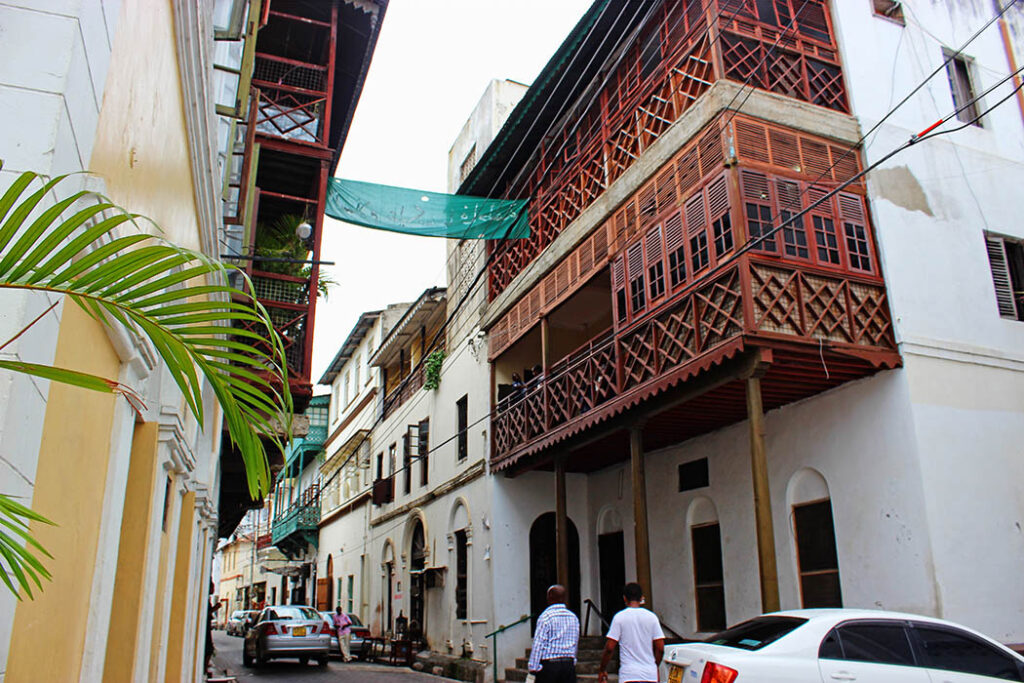
The historic Old Town is one of the city’s most distinctive areas. Its narrow winding streets, traditional Swahili and Arab-influenced buildings, carved wooden doors, balconies, mosques, temples and markets preserve much of Mombasa’s historic character.
Fort Jesus
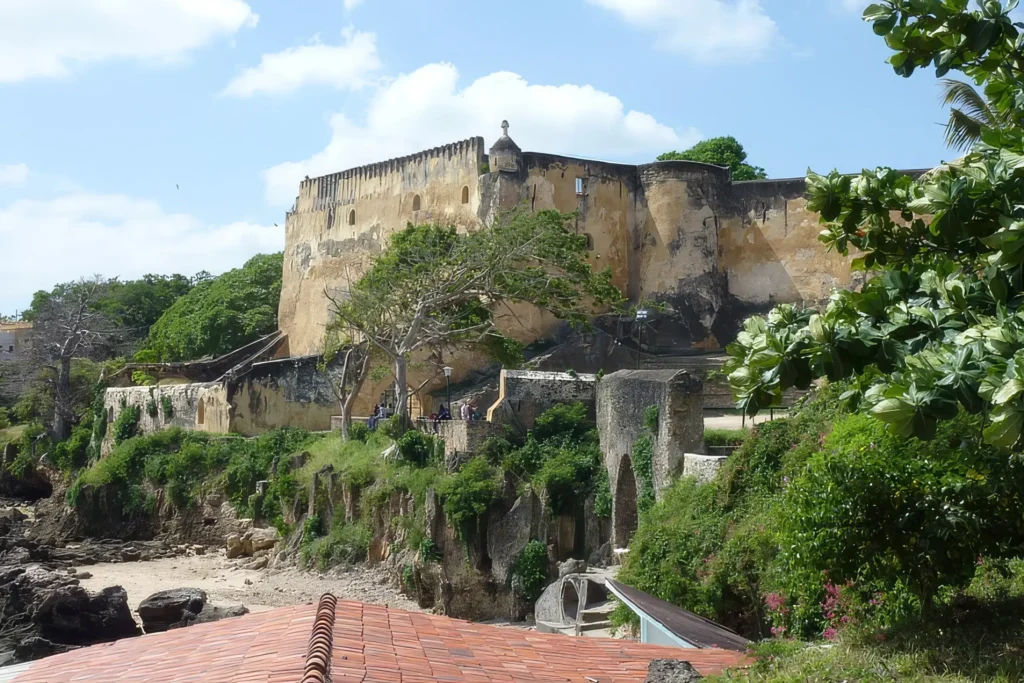
Fort Jesus is one of Mombasa’s most important historical attractions. Built by the Portuguese between 1593 and 1595, the fort was constructed to help control the strategically important harbor and coastline. Over subsequent centuries, it became associated with struggles among different powers seeking control of Mombasa. Today, the fort is a major cultural and historical attraction and contains a museum.
Multicultural Heritage
Mombasa’s identity reflects its position at the crossroads of Indian Ocean civilization. Visitors can see mosques, Hindu temples and Christian churches within the wider city, while Swahili traditions remain strongly represented through language, cuisine, clothing, music, architecture and local customs.
MAJOR ATTRACTION & ACTIVITIES IN MOMBASA CITY
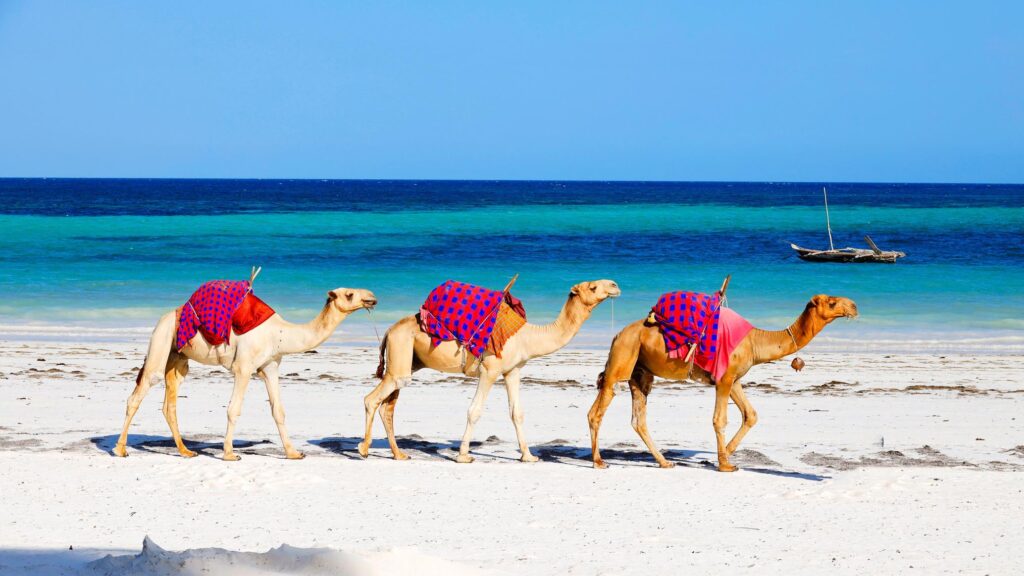
Mombasa offers a fascinating blend of history attractions which make Mombasa an ideal destination for cultural exploration, beach relaxation, marine adventures and coastal sightseeing.
Major Attractions
- Fort Jesus
- Haller Park
- Nyali Beach
- Dian Beach
- Mamba Village
- Mombasa Old Town
- Bamburi & Shanzu Beaches
- Likoni & the Southern Coast
- Mandhry Mosque & Hindu Temples
- Mombasa Marine National Park & Reserve
Major Activities
- Photography
- Water sports
- Birdwatching
- Deep-sea fishing
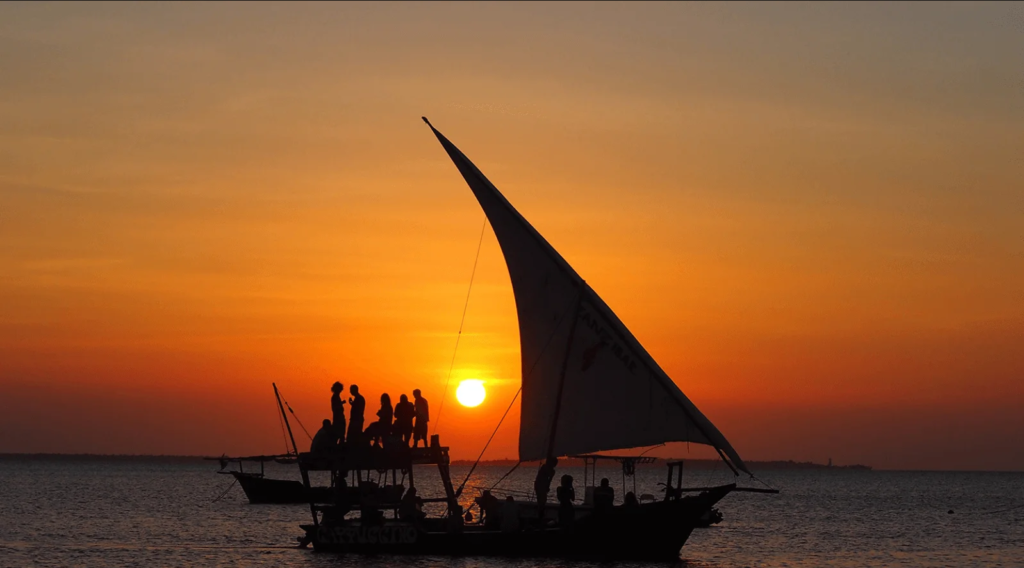
- Dhow sunset cruises
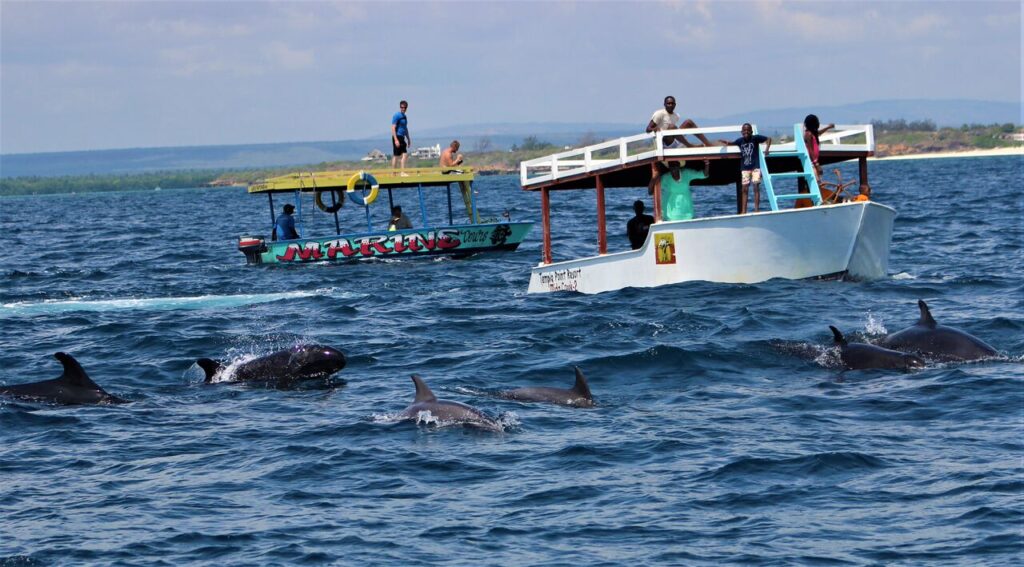
- Marine wildlife viewing
- Fort Jesus historical tours
- Cultural and culinary tours
- Snorkeling and scuba diving
- Swimming and beach relaxation
- Boat trips along the Indian Ocean
- Seafood and Swahili food experiences
- Day trips to nearby coastal attractions
- Shopping for spices, crafts and souvenirs
- City sightseeing and guided Old Town tours
WILDLIFE FOUND NEAR MOMBASA MOMBASA CITY
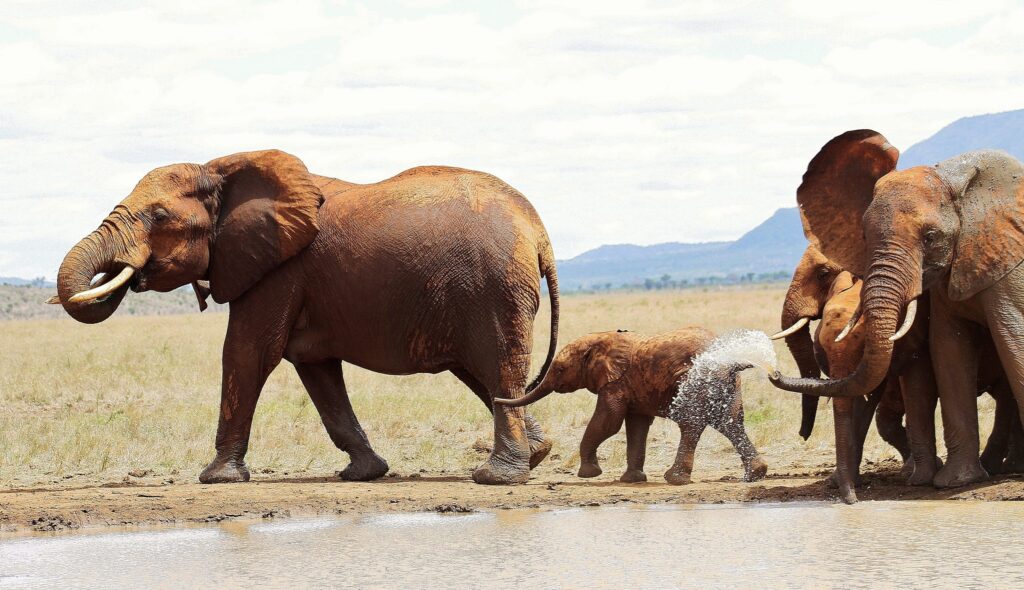
Mombasa provides an excellent gateway to some of Kenya’s most remarkable wildlife destinations. From the coastal city, travelers can venture inland to Tsavo East and Tsavo West National Parks, where the landscape changes from tropical coastline to vast savannahs, woodlands and volcanic terrain.
Tsavo East National Park & Tsavo West National Park
These parks support:
- Lions
- Zebras
- Hippos
- Giraffes
- Leopards
- Buffaloes
- Elephants
- Black rhinos
- Various antelope species
THE BEST TIME TO VISIT MOMBASA
Mombasa is a year-round tropical coastal destination, with warm temperatures, Indian Ocean beaches and marine activities available in every season. However, December to March is generally the most favorable period for a beach holiday, as Kenya’s official tourism guidance identifies this period as an excellent time for the Coast because of generally sunnier and fairer weather.
Mombasa has a tropical climate influenced strongly by the Indian Ocean. The main wetter period is associated with the March – May long rains, while another wetter period normally occurs around October – December.
Best time according to Moth’s
December – March: Excellent for beaches and Marine Activities
- The periods are particularly attractive for travelers looking for sunshine, warm ocean conditions and outdoor coastal experiences.
April – May: Long-rain season
- Those months’ are generally the wetter months. Rainfall can be frequent, with May typically an important part of the coastal wet season. Kenya’s Meteorological Department notes that rainfall during the March – May season can include intermittent dry spells as well as occasional heavy downpours.
June – September: Pleasant Coastal Season
- The periods offer a generally comfortable period for exploring Mombasa. The weather is influenced by the cooler southeast monsoon, producing warm but often more comfortable coastal conditions.
October – November: Short-rain transition
- Generally, become more variable as the short-rain season develops. Some days can remain sunny and excellent for beach activities, while tropical showers may occur.November is particularly useful for travelers who don’t mind occasional rain and want to experience Mombasa with a more relaxed atmosphere.
December: Excellent Festive – Season Destination
- December marks the return to one of the more favorable coastal periods. The combination of warm weather, beaches, Indian Ocean activities and festive atmosphere makes Mombasa especially attractive around Christmas and New Year.
Best overall period
- For a classic Mombasa beach and marine holiday, December to March is generally the most favorable period. Kenya’s official tourism information specifically identifies December–March as an excellent time to visit the Coast for sunshine and fair weather.
DRIVE TIME TO NGORONGORO CONSERVATION AREA
- Nairobi to Mombasa: 8 hours
- Mombasa to Tsavo East National Park: 2.5 hours
- Mombasa to Tsavo West National Park: 4 hours
Typical Route: Nairobi → Mombasa
Nairobi → Athi River → Sultan Hamud → Kibwezi → Mtito Andei → Voi → Mariakani → Mombasa
RELATED SAFARI'S!
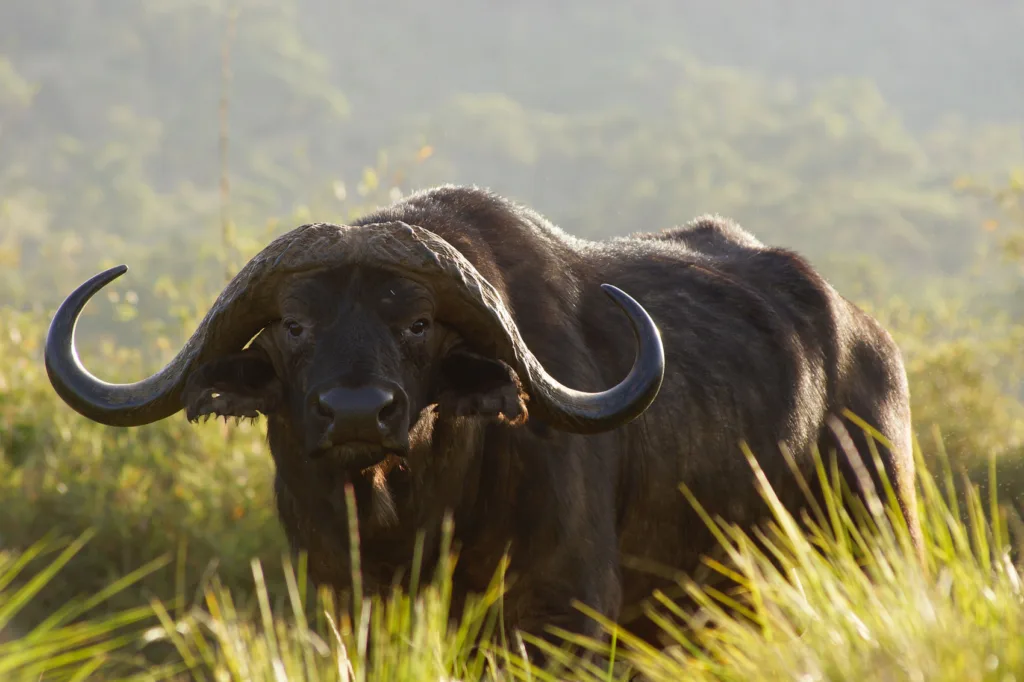
Watch hundreds of thousands of wildebeest, accompanied by zebras and other herbivores, cross vast savannahs in search of fresh grazing, braving dramatic river crossings and powerful predators including crocodiles along the way. Happened at the Northern part of Serengeti - Kogatende through Mara river.
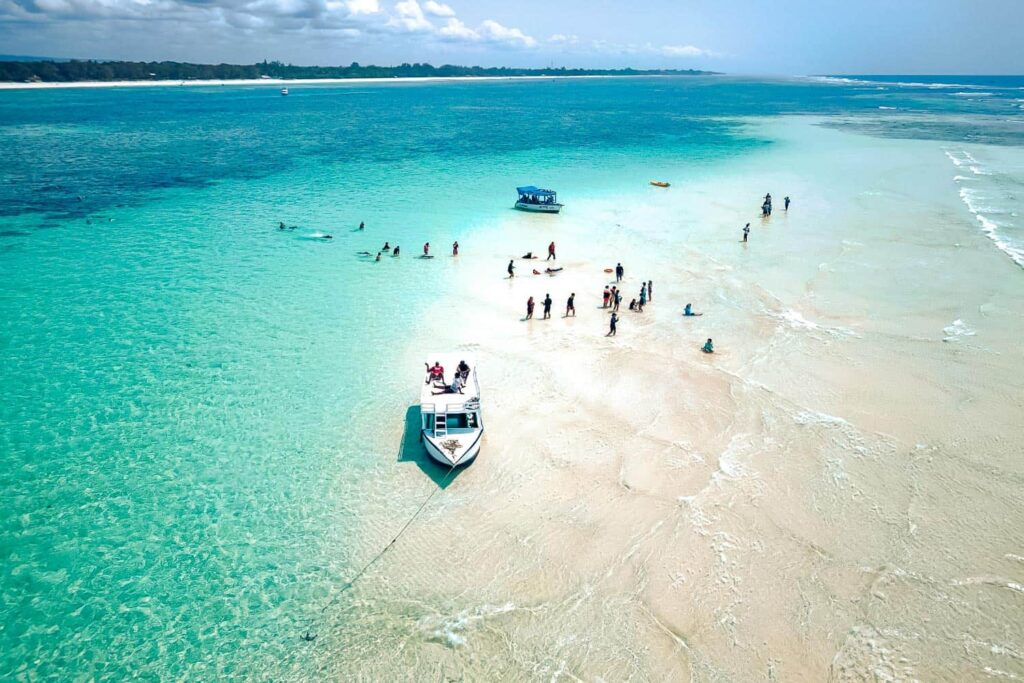
Experience the magic of the Great Migration calving season in the Southern Serengeti, especially around the Ndutu Plains. From January to March, vast herds of wildebeest gather on the green plains, with thousands of newborn calves taking their first steps. Witness incredible scenes of birth, survival, and predator action.
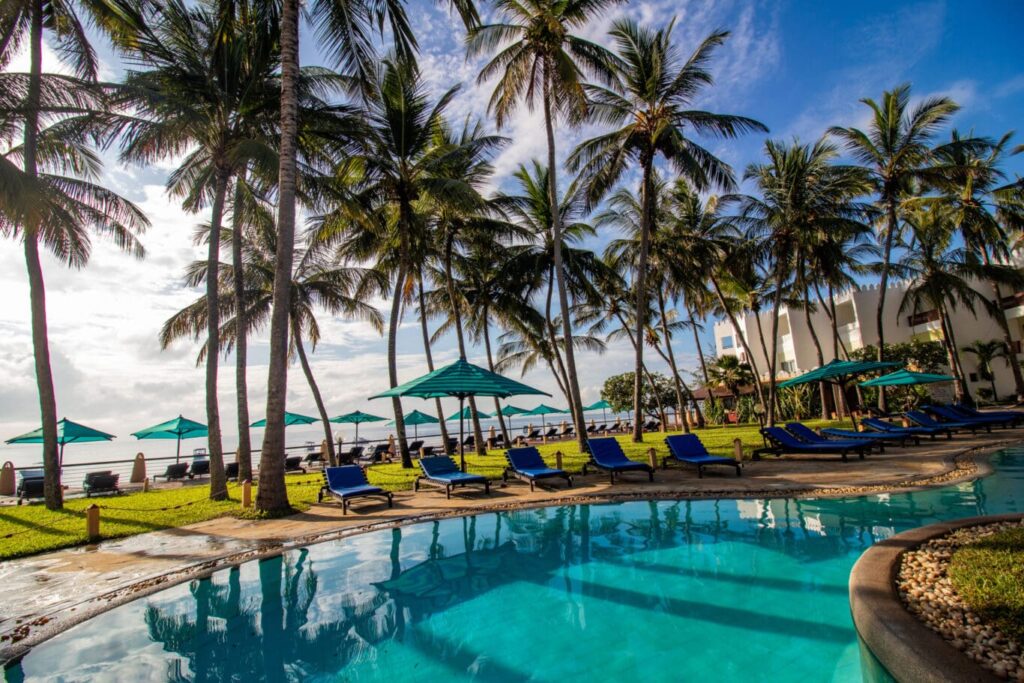
Experience the ultimate Tanzania adventure combining the breathtaking Great Migration Safari with the tropical beauty of Zanzibar. Witness vast herds of wildebeest and zebras across the Serengeti, then unwind on Zanzibar’s pristine beaches with crystal-clear waters, island excursions, snorkeling, and unforgettable sunsets.
Get In Touch
Its never too soon or too late to get in touch, we are always eager to help out