 info@mupanatours.com Blog
 +255714055829
DISCOVER LAKE MANYARA NATIONAL PARK
Encounter the remarkable wildlife and breathtaking landscapes of Lake Manyara National Park, a beautiful destination where lush forests, open savannahs, wetlands and the shimmering alkaline lake come together. The park is renowned for its spectacular birdlife, with hundreds of bird species thriving around the lake,
LAKE MANYARA NATIONAL PARK!
THE BEST OF LAKE MANYARA NATIONAL PARK
LAKE MANYARA NATIONAL PARK
The park located in northern Tanzania, in the Manyara Region, along the western escarpment of the Great Rift Valley. It is approximately 120–130 km west of Arusha, making it a convenient destination on the Northern Tanzania Safari Circuit. The park stretches between the dramatic Rift Valley escarpment and the shallow, alkaline waters of Lake Manyara. Its landscape is remarkably diverse for a relatively compact park, featuring groundwater forests, open grasslands, acacia woodland, wetlands, hot springs and lake shores.
Lake Manyara considered as a shallow, seasonal alkaline lake, and its size changes considerably depending on rainfall and evaporation.
WILDLIFE FOUND IN LAKE MANYARA NATIONAL PARK
One of Lake Manyara’s most distinctive wildlife experiences is seeing lions resting in the branches of large trees. Although lions can climb trees in other parts of Africa, Lake Manyara is particularly well known for this behavior.
Wildlife commonly encountered includes:
- African elephants
- Lions
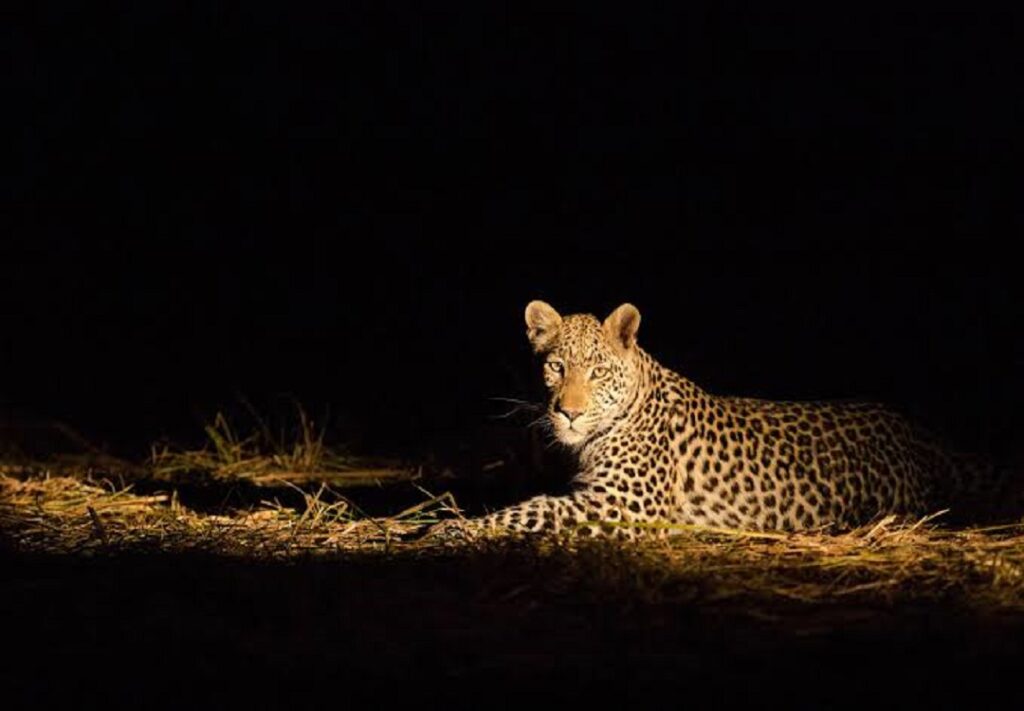
- Leopards
- Cheetahs
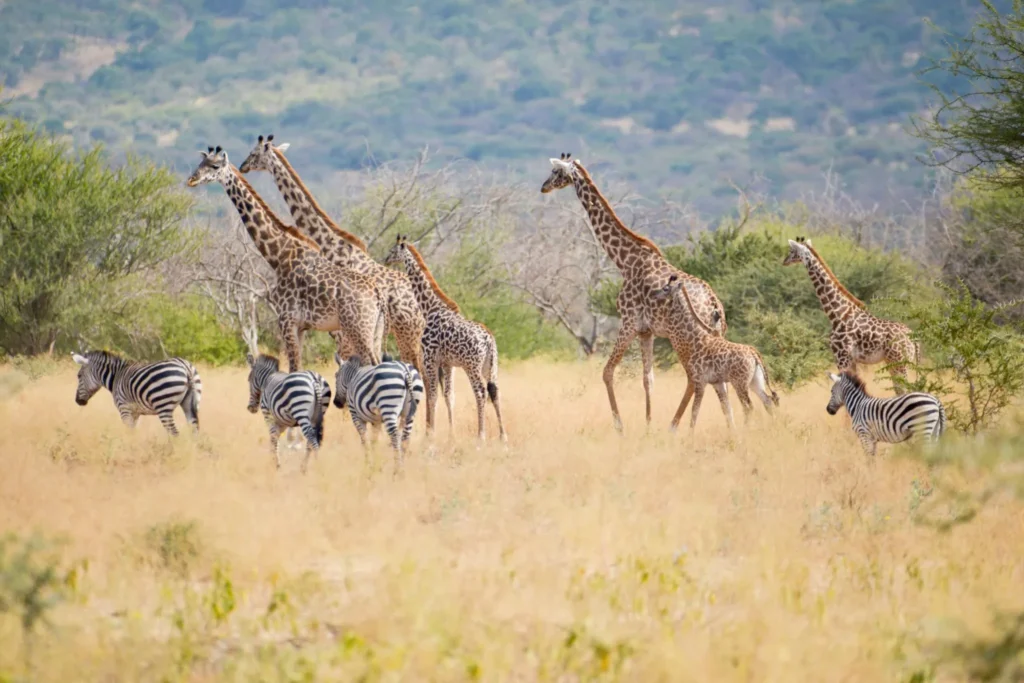
- Giraffes
- Zebras
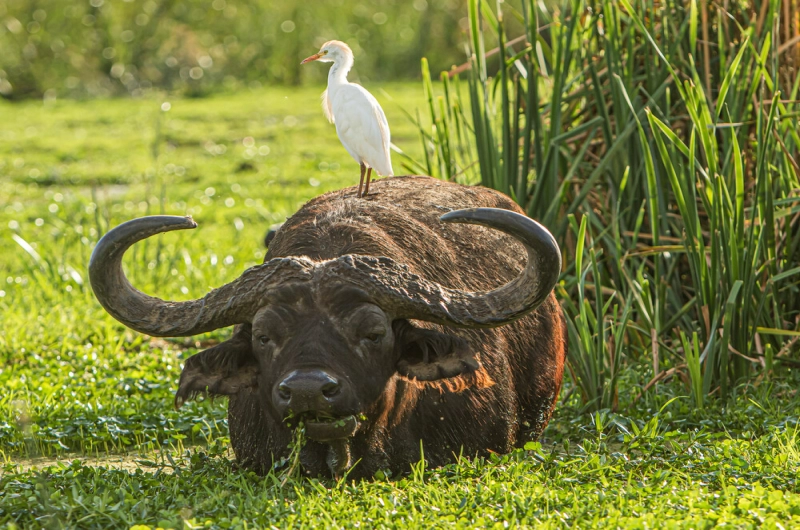
- African buffaloes
- Warthogs
- Elands
- Gerenuks
- Kudus
- Oryx
- Wildebeest
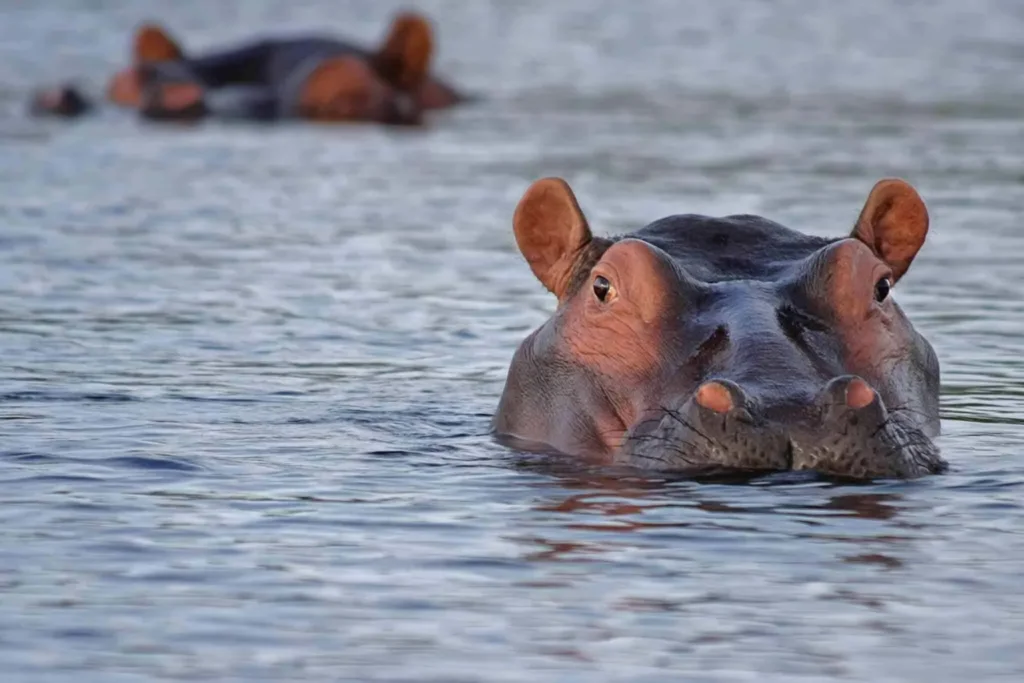
- Hippos
- Baboons
- Wild dogs, although sightings are uncommon
Tree-Climbing Lions
From the treetops, lions can enjoy a cooler breeze, escape insects and rest comfortably while keeping a watchful eye over the surrounding plains. Seeing a powerful lion relaxing several metres above the ground creates a truly memorable safari experience.
Birdslife
Lake Manyara also an excellent destination for birdwatching, with a remarkable diversity of bird species.
Visitors may encounter:
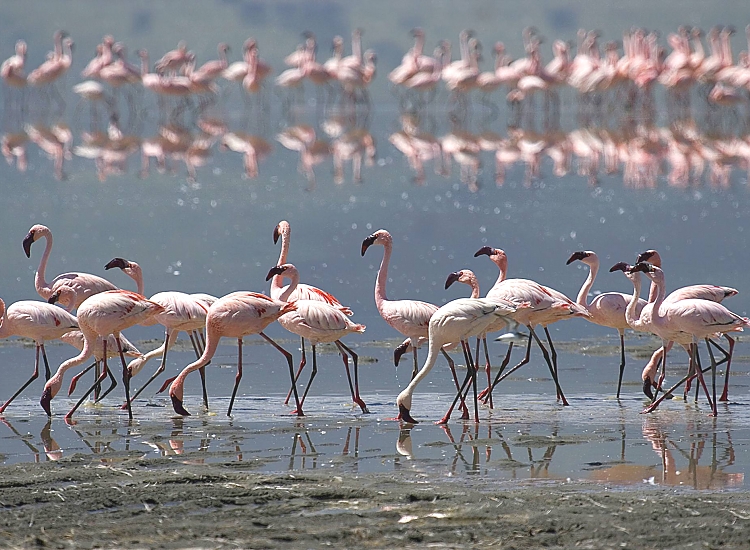
The lake and surrounding wetlands can attract Flamingos, Pelicans, Storks, Herons, Egrets, Kingfishers, African fish eagles and many other water birds and forest species.
During favorable conditions, large concentrations of flamingos can create spectacular scenes along the lake shoreline.
THE BEST TIME TO VISIT LAKE MANYARA NATIONAL PARK
The park can be visited throughout the year, but the best time depends on what you want to experience. For travelers whose priority is wildlife viewing and large elephant herds, the dry season from June to October is generally the most rewarding period.
Best time according to Moth’s
July – September
- Best overall period for wildlife viewing
June & October
- Excellent wildlife with seasonal advantages
November – February
- Best for green landscapes, birdlife and a quieter atmosphere
March – May (April – rain season)
- Best for travelers seeking a quieter and greener friendly safari
The best time to experience Lake Manyara National Park is from June to October, when the dry season brings wildlife closer to the lake. Witness magnificent elephant herds, lions, giraffes, zebras, buffaloes and diverse birdlife against a spectacular backdrop of ancient baobabs and golden savannah. For a greener landscape and abundant birdlife, the months following the rains offer a beautiful alternative.
MAJOR ATTRACTIONS & ACTIVITIES WITHIN LAKE MANYARA NATIONAL PARK
Within the park.
- Canoeing
- Walking safari
- Treetop walkway
- Night game drive
Outside the park.
- Maasai Village visit
- Hadzabe tribe visit
- Cultural tour Mto wa mbu
- Mountain bike tour Mto wa mbu
DRIVE TIME TO LAKE MANYARA NATIONAL PARK
- Arusha to Lake Manyara National Park: 2.5 hours
- Lake Manyara to Tarangire National Park: 1 hour
- Lake Manyara to Serengeti National Park: 3.5 hours
- Lake Manyara to Ngorongoro Conservation Area: 1 hour
Typical Route: Arusha → Lake Manyara National Park
Arusha → Makuyuni → Mto wa Mbu → Lake Manyara National Park
RELATED SAFARI'S!
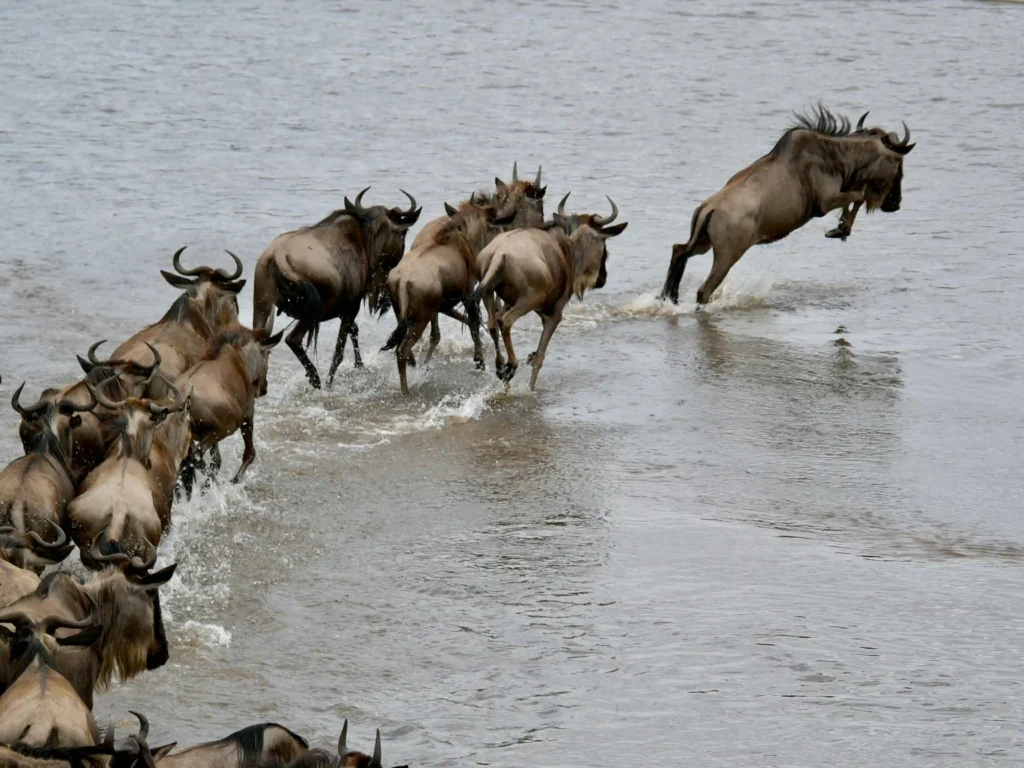
Watch hundreds of thousands of wildebeest, accompanied by zebras and other herbivores, cross vast savannahs in search of fresh grazing, braving dramatic river crossings and powerful predators including crocodiles along the way. Happened at the Northern part of Serengeti - Kogatende through Mara river.
Experience the magic of the Great Migration calving season in the Southern Serengeti, especially around the Ndutu Plains. From January to March, vast herds of wildebeest gather on the green plains, with thousands of newborn calves taking their first steps. Witness incredible scenes of birth, survival, and predator action.
Experience the ultimate Tanzania adventure combining the breathtaking Great Migration Safari with the tropical beauty of Zanzibar. Witness vast herds of wildebeest and zebras across the Serengeti, then unwind on Zanzibar’s pristine beaches with crystal-clear waters, island excursions, snorkeling, and unforgettable sunsets.
Get In Touch
Its never too soon or too late to get in touch, we are always eager to help out