 info@mupanatours.com Blog
 +255714055829
DISCOVER NAIROBI NATIONAL PARK
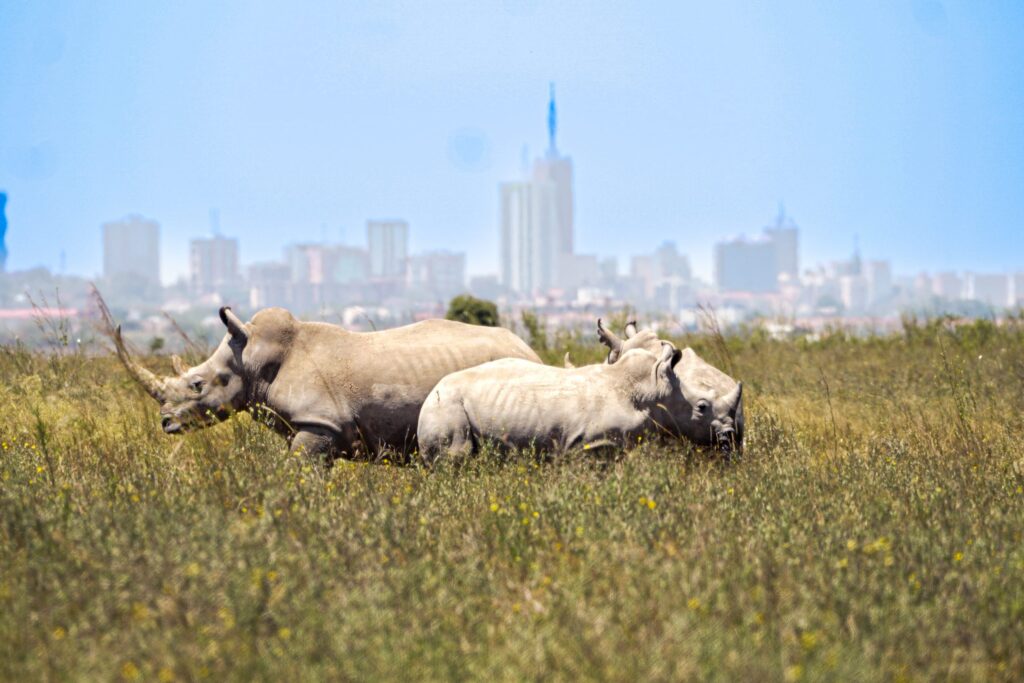
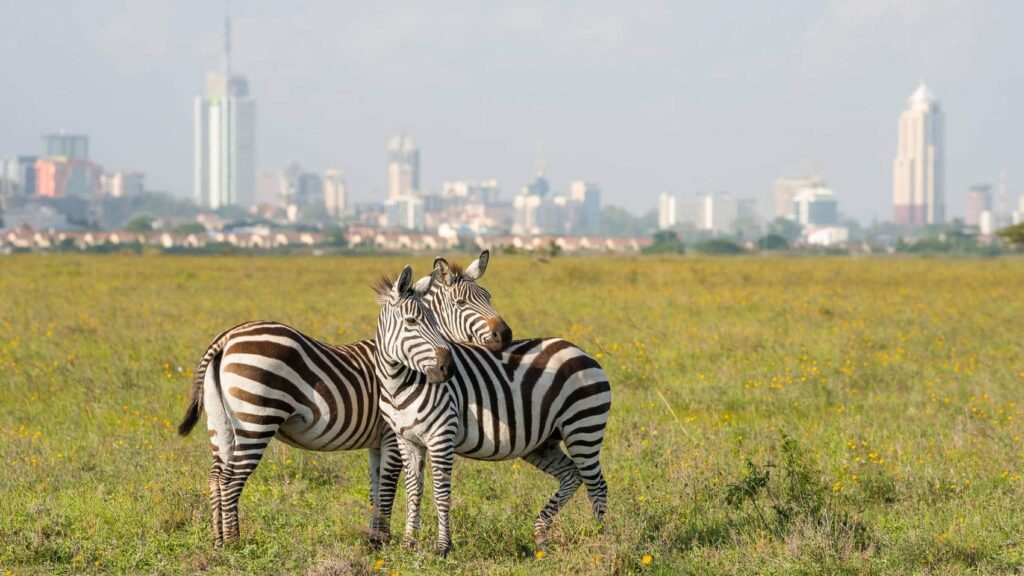
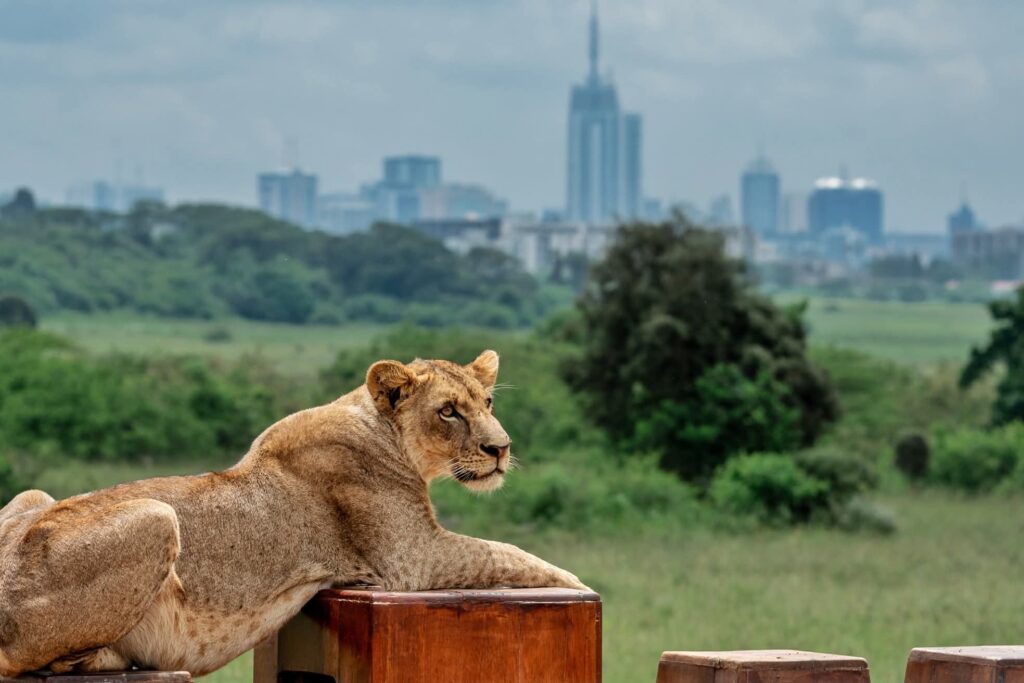
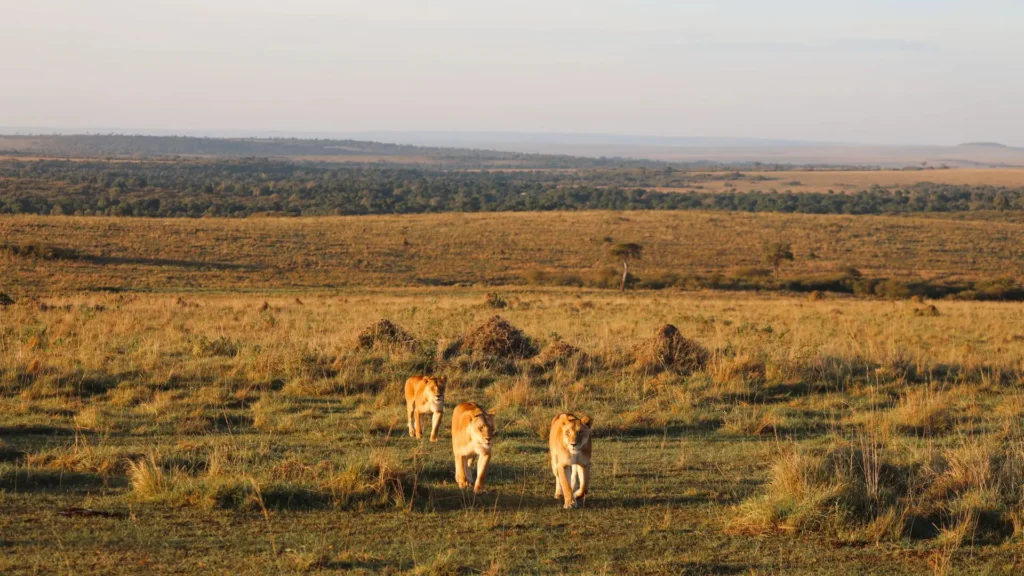
Wilderness begins just outside Kenya’s bustling capital. One of the park’s most distinctive experiences is seeing wildlife against the Nairobi city skyline. This extraordinary combination of wild animals, open savannah and a modern urban backdrop makes Nairobi National Park a unique destination.
TARANGIRE NATIONAL PARK!
THE BEST OF NAIROBI NATIONAL PARK
NAIROBI NATIONAL PARK
The park is located in south of Nairobi’s urban area immediately Nairobi County. It is approximately 10 km from Nairobi’s Central Business District, making it one of the most accessible national parks in Africa. The main road access is along Lang’ata Road, while visitors can also reach Nairobi through Jomo Kenyatta International Airport or Wilson Airport.
The park is one of the Kenya’s most distinctive wildlife destinations, offering the unusual experience of seeing wild animals against the backdrop of a modern African capital. Kenya Wildlife Service describes it as “the world’s only wildlife capital.” The park was gazetted in 1946, making it Kenya’s first national park, and today it covers approximately 117 km² (11,700 hectares). The person most closely associated with the founding of Nairobi National Park is Mervyn Cowie (1909–1996), a Kenyan-born conservationist and a major pioneer of Kenya’s national park system.
WILDLIFE FOUND IN NAIROBI NATIONAL PARK
Despite its relatively small size and proximity to the city, Nairobi National Park supports more than 100 animal species. The park is particularly important for the conservation of black rhinoceroses and supports four of the Big Five, with elephants being the notable exception.
Wildlife commonly encountered includes:
- Lions
- Zebras
- Hyenas
- Giraffes
- Leopards
- Cheetahs
- Baboons
- Warthogs
- Buffaloes
- Wildebeest
- Black rhinoceros
- Impalas and other antelopes
The Black Rhinoceroses
Black rhinoceroses are among the most iconic attractions of Nairobi National Park. The park provides an important protected habitat where these endangered animals can be observed in their natural environment, often moving across the open grasslands and woodland areas. Their presence highlights the park’s important role in rhino conservation and wildlife protection.
Birdlife
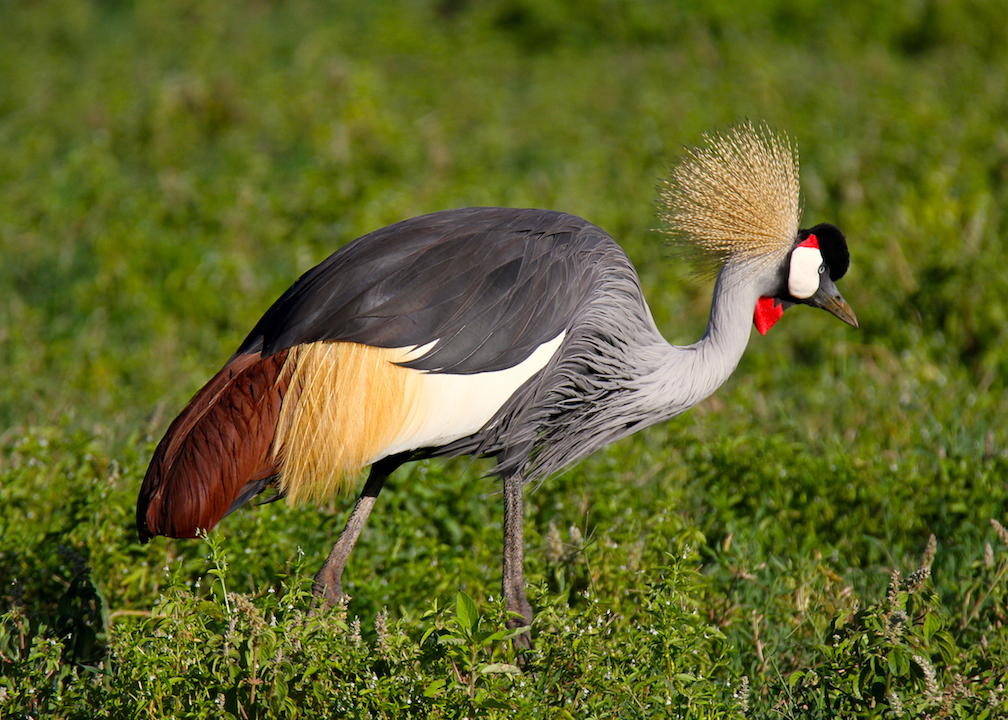
The park is an excellent birdwatching destination, with more than 400 bird species recorded across the park. Nairobi park supports both resident and migratory birds, making birdlife an important part of the safari experience. (More than 400 bird species).
Birds offered to encounter:
- Ostriches, Secretary birds, Crowned cranes, African fish eagles, Martial eagles, Tawny eagles, Vultures, Marabou storks, Yellow-billed storks, Herons, egrets, Kingfishers, Bee-eaters, Rollers, Lapwings, Weavers and many other species.
The combination of wetlands, woodland and open grassland creates habitats for a wide variety of resident and migratory birds.
MAJOR ATTRACTIONS & ACTIVITIES WITHIN NAIROBI NATIONAL PARK
Nairobi National Park offers a unique combination of wildlife, conservation, birdlife and city scenery, making it attractive and an ideal safari.
ATTRACTION.
The Black Rhinoceroses
The park is renowned for its black rhinoceroses and plays an important role in their conservation. Rhino sightings are one of the highlights of a Nairobi safari.
ACTIVITIES.
Activities within the park.
- Game Drives
- Bird Watching
- Rhino Watching
- Wildlife Photography
- Conservation & Heritage Experience
Activities outside the park.
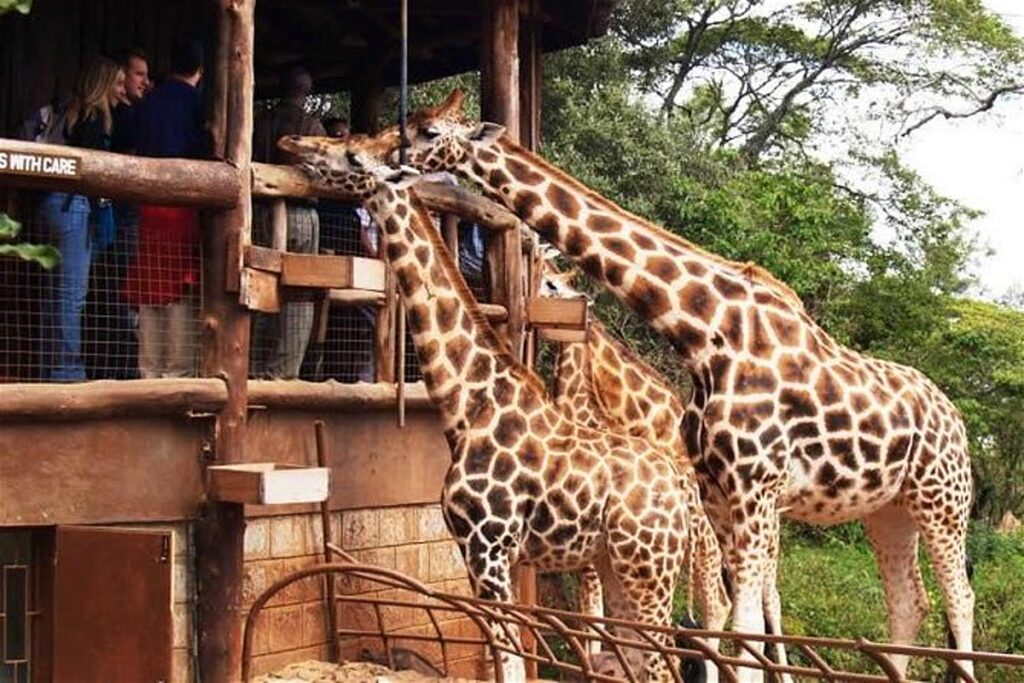
- Giraffe Centre
- Nairobi City Tour
- Nairobi Nightlife
- Nairobi National Museum
- Maasai Market & Local Shopping
THE BEST TIME TO VISIT NAIROBI NATIONAL PARK
The park can be visited throughout the year, and every season offers a different perspective of its wildlife and landscapes. However, the best period depends on whether your priority is wildlife concentration, photography, bird watching, green scenery or fewer visitors.
Best time according to Moth’s
June – October: Excellent for wildlife viewing
- Generally, one of the most rewarding periods for a classic Nairobi safari. This is the drier part of the year, when vegetation becomes less dense and animals are often easier to spot across the open plains. As the dry season progresses, wildlife increasingly depends on the park’s permanent wetlands, marshes and other reliable water sources.
January–February: Warm and Dry
- The weather offers another favorable window for visiting Nairobi. These months fall between the main rainy periods and can provide a good balance of wildlife viewing and green landscapes. There may still be water and vegetation in the wetlands, while the surrounding plains can remain relatively open for game viewing.
March–May: Long-rain season
- The long rains generally occur from March to May, transforming Nairobi’s normally dry landscape into a much greener and more vibrant environment. Rainfall brings fresh vegetation, replenishes wetlands and creates dramatic seasonal scenery.
November – December: Best for green landscapes, birdlife and a quieter atmosphere
- Bring the shorter rains, which can gradually refresh the landscape after the dry season. The arrival of rain stimulates new vegetation growth, and the plains can become increasingly green.
The best time to experience Nairobi National Park is throughout the year, as each season offers a unique safari experience.
DRIVE TIME TO NAIROBI NATIONAL PARK
- Nairobi City to Nairobi National Park: 30 Minutes
- Nairobi to Lake Nakuru National Park: 3 hours
- Nairobi to Lake Naivasha National Park: 2 hours
- Nairobi to Masai Mara National Reserve: 6 hours
Typical route: Nairobi → Nairobi National Park
Nairobi CBD → Uhuru Highway / Mombasa Road → Southern Bypass area → Nairobi National Park
RELATED SAFARI'S!
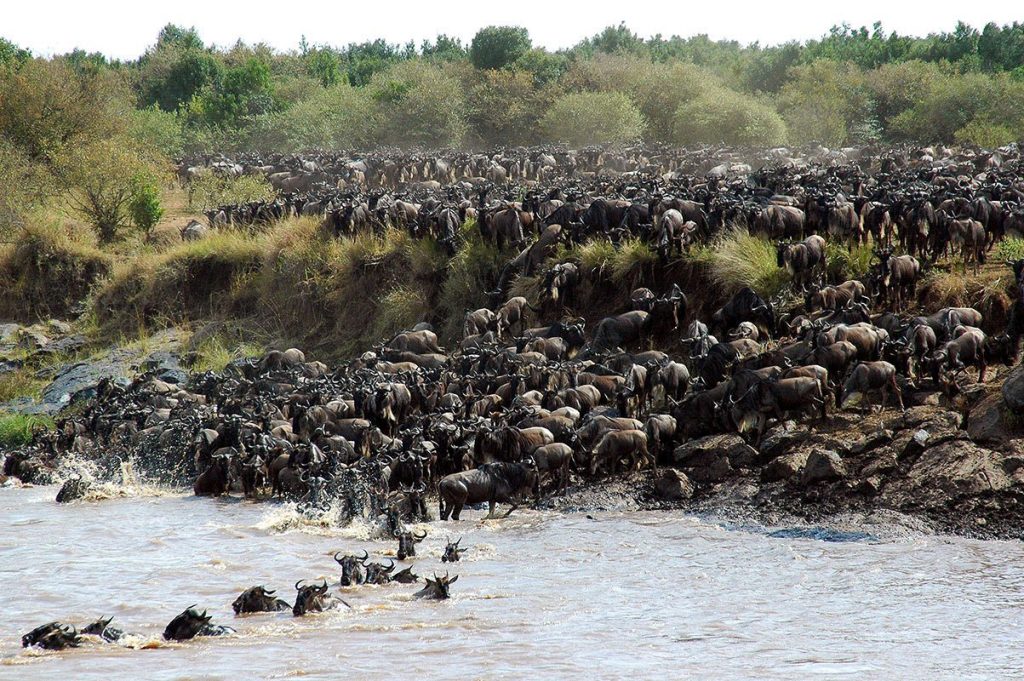
Watch hundreds of thousands of wildebeest, accompanied by zebras and other herbivores, cross vast savannahs in search of fresh grazing, braving dramatic river crossings and powerful predators including crocodiles along the way. Happened at the Northern part of Serengeti - Kogatende through Mara river.
Experience the magic of the Great Migration calving season in the Southern Serengeti, especially around the Ndutu Plains. From January to March, vast herds of wildebeest gather on the green plains, with thousands of newborn calves taking their first steps. Witness incredible scenes of birth, survival, and predator action.
Experience the ultimate Tanzania adventure combining the breathtaking Great Migration Safari with the tropical beauty of Zanzibar. Witness vast herds of wildebeest and zebras across the Serengeti, then unwind on Zanzibar’s pristine beaches with crystal-clear waters, island excursions, snorkeling, and unforgettable sunsets.
Get In Touch
Its never too soon or too late to get in touch, we are always eager to help out