 info@mupanatours.com Blog
 +255714055829
DISCOVER MAKUYUNI WILDLIFE PARK
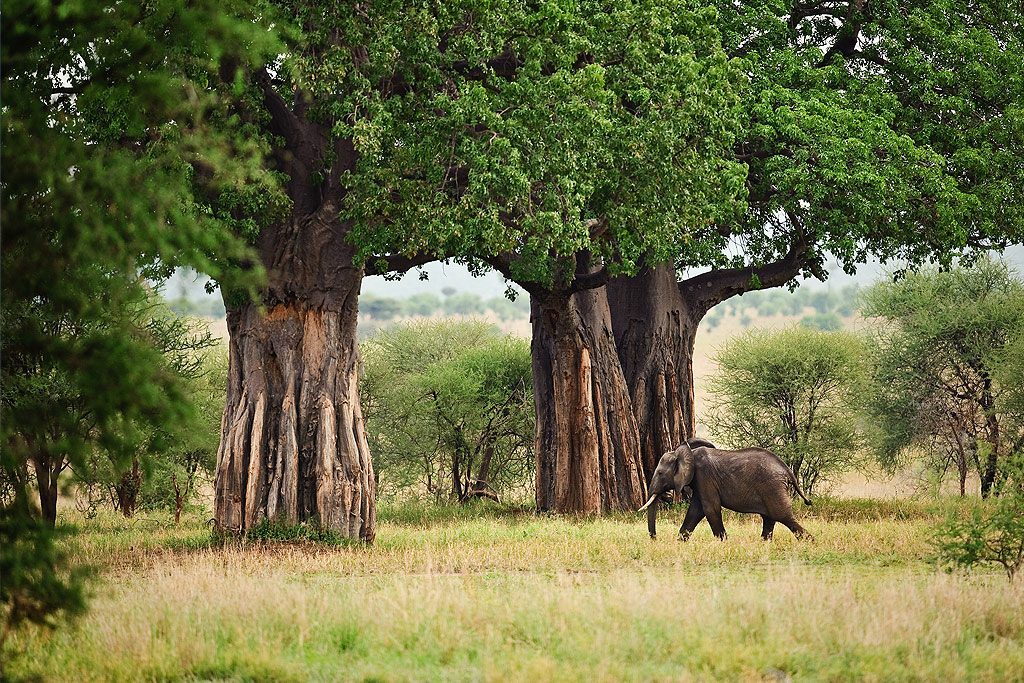
Scattered vegetation and iconic acacia trees and baobabs add character to the landscape, while the changing seasons transform the park from golden, dry plains into lush green scenery following the rains. Discover a variety of birdlife, including raptors.
MAKUYUNI WILDLIFE PARK!
THE BEST OF MAKUYUNI WILDLIFE PARK
MAKUYUNI WILDLIFE PARK
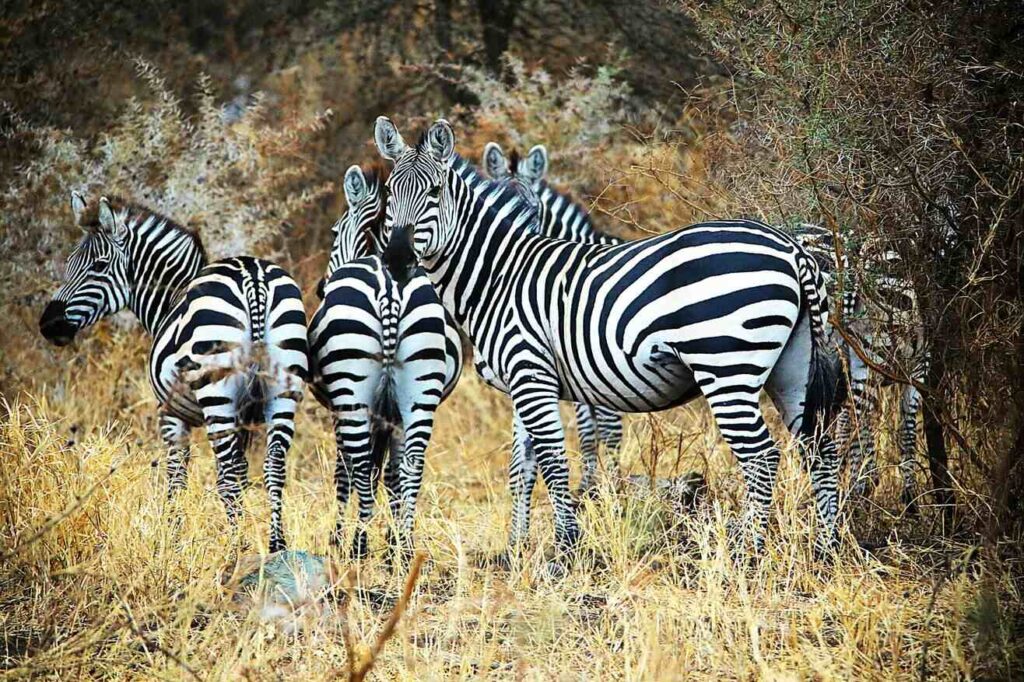
The park located in northern Tanzania offering an authentic and intimate safari experience within the wider Tarangire and Manyara ecosystem. Located near the important wildlife routes connecting Arusha, Tarangire, Lake Manyara and the surrounding conservation areas, Makuyuni provides an opportunity to explore a less-developed and quieter side of northern Tanzania’s spectacular wilderness.
Covering approximately 49 km² (4,900 hectares), the park may be smaller than Tanzania’s famous national parks, but its strategic location gives it considerable ecological importance. Makuyuni forms part of an important wildlife movement corridor, allowing animals to move between habitats in search of food, water and seasonal grazing. This makes the area valuable not only for wildlife viewing but also for the long-term conservation of the broader northern Tanzania ecosystem.
WILDLIFE FOUND IN MAKUYUNI WILDLIFE PARK
The landscape combines open savannah, acacia woodland, grassland, hills and rocky areas, creating habitats for both grazing animals and predators.
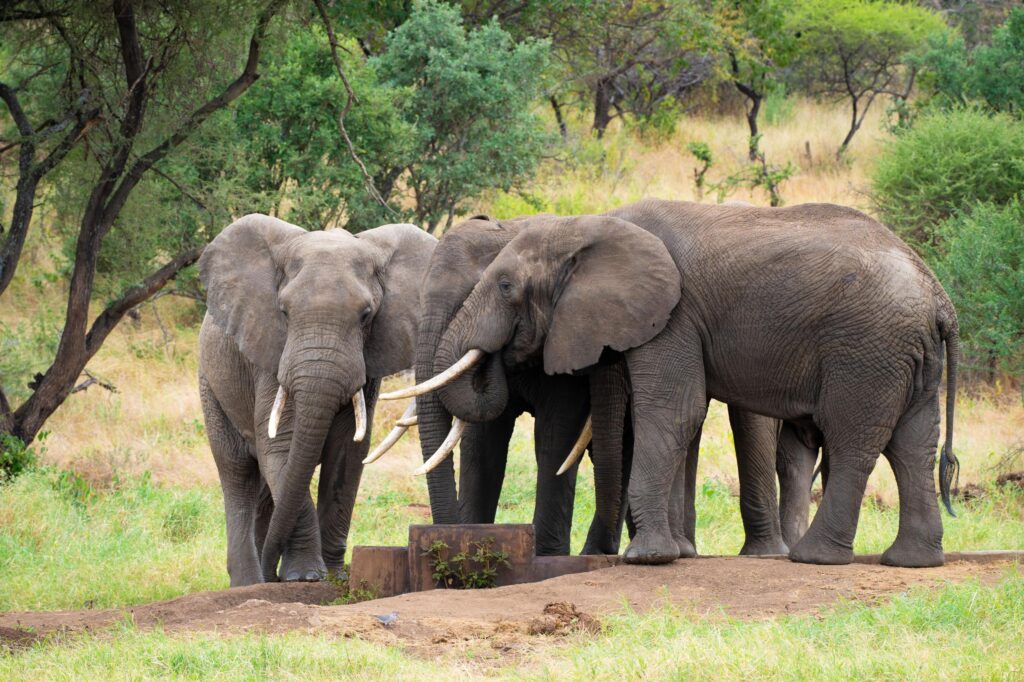
Wildlife commonly encountered includes:
- Oryx
- Lions
- Zebras
- Impalas
- Warthogs
- Wildebeest
- Lesser kudu
- Greater kudu
- Maasai giraffes
- African wild dogs
- African buffaloes
- African elephants
Landscapes and Seasonal Beauty
Makuyuni’s landscape is characterized by open savannahs, grasslands, woodland, acacia vegetation, rocky areas and seasonal wetland habitats. These different environments provide shelter, feeding grounds and water sources for a wide range of animals.
The scenery changes dramatically throughout the year. During the dry season, the landscape takes on warm golden and earthy tones, with wildlife becoming more concentrated around remaining water sources. Following the rains, the plains become greener and fresher, seasonal watercourses and wetlands are replenished, and new vegetation attracts grazing animals.
Birdlife
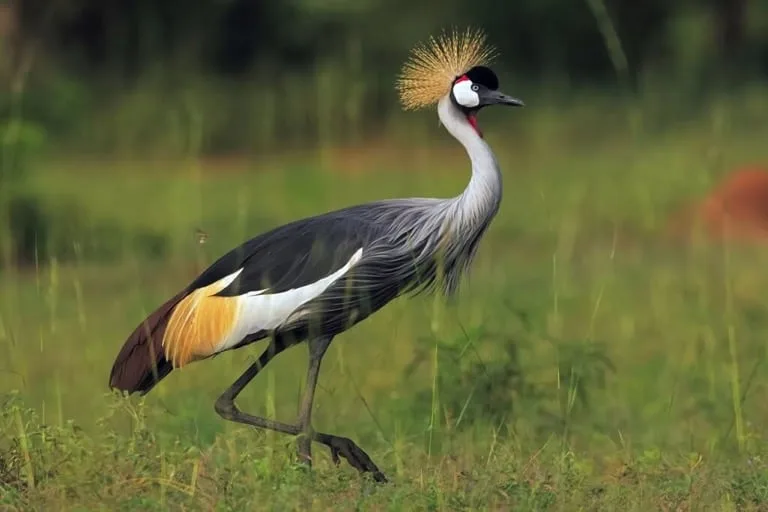
Makuyuni Wildlife Park has about 450 bird species, with many observables during game drives, with a remarkable diversity of bird species.
Visitors may encounter:
- Ostrich, Long-crested Eagle, Martial Eagle, Violet Wood-Hoopoe, Hoopoes, Bustards, Doves, Hornbills, Weavers, Guinea fowl, Go-away birds, Marabou Stork, Yellow-billed Stork, Secretary bird, Grey-headed Kingfisher, White-backed Vulture, Superb Starling and Red-billed Hornbill
The combination of wetlands, woodland and open grassland creates habitats for a wide variety of resident and migratory birds.
MAJOR ATTRACTIONS & ACTIVITIES WITHIN MAKUYUNI WILDLIFE PARK
Within the park
- Hiking
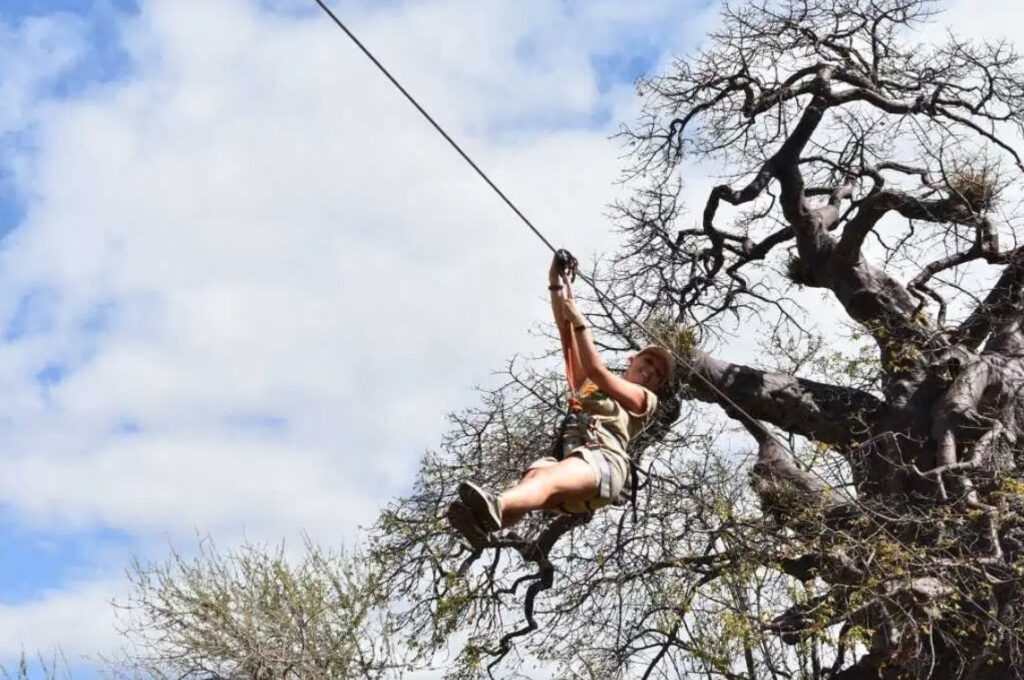
- Ziplining
- Game drive
- Walking safari
- Bird watching
- Rock climbing
Outside the park.
- Maasai Village vist
- Hadzabe tribe visit
- Cultural tour Mto wa mbu
- Mountain bike tour Mto wa mbu
THE BEST TIME TO VISIT MAKUYUNI WILDLIFE PARK
The park can be visited throughout the year, but the best time depends on what you want to experience. For travelers whose priority is wildlife viewing and large elephant herds, the dry season from June to October is generally the most rewarding period.
Best time according to Moth’s
July – September
- Best overall period for wildlife viewing
June & October
- Excellent wildlife with seasonal advantages
November – February
- Best for green landscapes, birdlife and a quieter atmosphere
March – May (April – rain season)
- Best for travelers seeking a quieter and greener friendly safari
The best time to experience Tarangire National Park is from June to October, when the dry season brings wildlife closer to the Tarangire River. Witness magnificent elephant herds, lions, giraffes, zebras, buffaloes and diverse birdlife against a spectacular backdrop of ancient baobabs and golden savannah. For a greener landscape and abundant birdlife, the months following the rains offer a beautiful alternative.

DRIVE TIME TO MAKUYUNI WILDLIFE PARK
- Arusha to Makuyuni Wildlife Park: 1 hour
- Makuyuni to Serengeti National Park: 5 hours
- Makuyuni to Lake Manyara National Park: 45 Minutes
- Makuyuni to Ngorongoro Conservation Area: 2 hours
RELATED SAFARI'S!
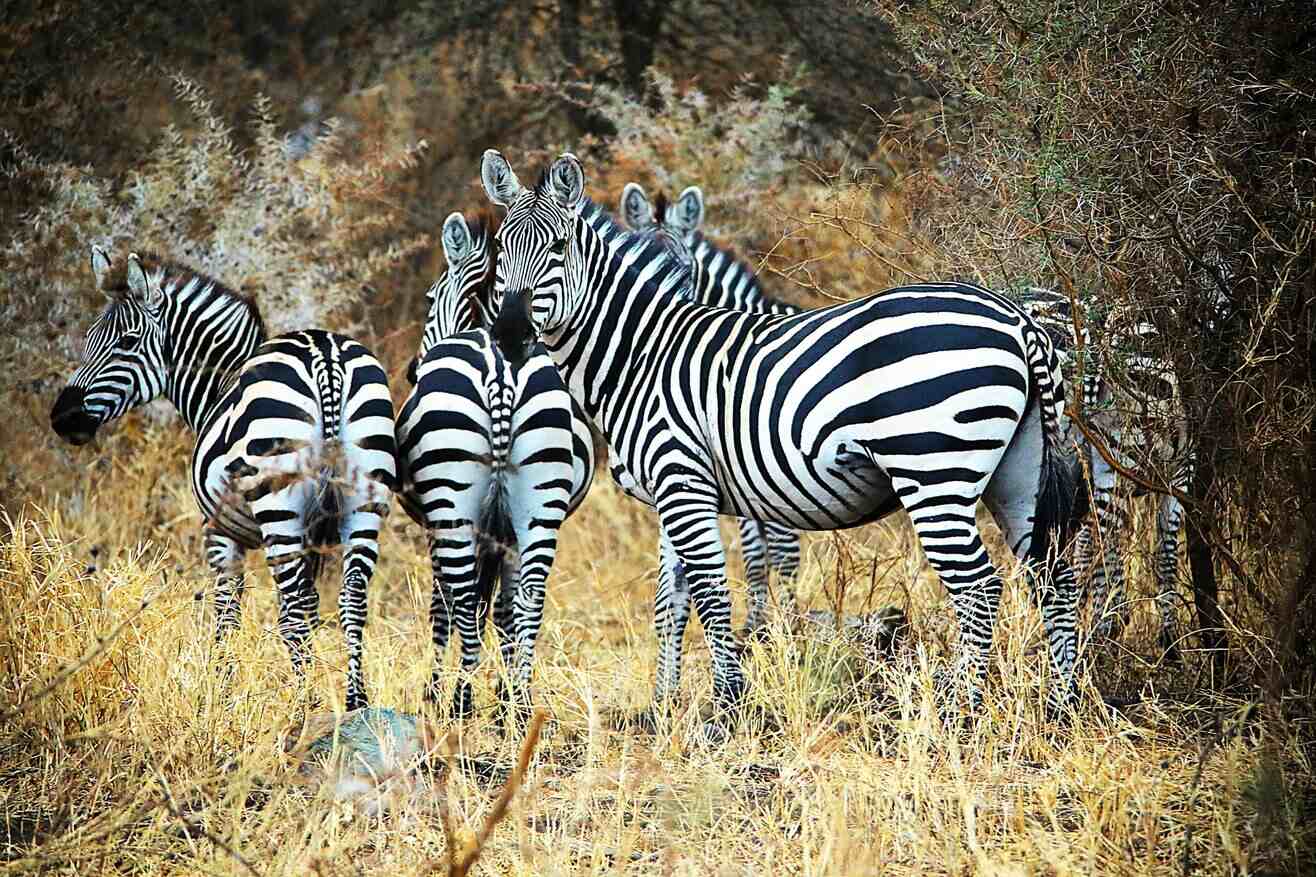
Watch hundreds of thousands of wildebeest, accompanied by zebras and other herbivores, cross vast savannahs in search of fresh grazing, braving dramatic river crossings and powerful predators including crocodiles along the way. Happened at the Northern part of Serengeti - Kogatende through Mara river.
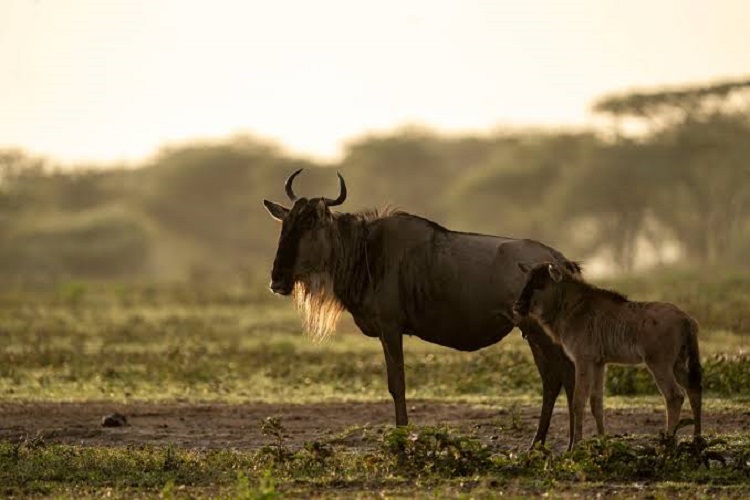
Experience the magic of the Great Migration calving season in the Southern Serengeti, especially around the Ndutu Plains. From January to March, vast herds of wildebeest gather on the green plains, with thousands of newborn calves taking their first steps. Witness incredible scenes of birth, survival, and predator action.
Experience the ultimate Tanzania adventure combining the breathtaking Great Migration Safari with the tropical beauty of Zanzibar. Witness vast herds of wildebeest and zebras across the Serengeti, then unwind on Zanzibar’s pristine beaches with crystal-clear waters, island excursions, snorkeling, and unforgettable sunsets.
Get In Touch
Its never too soon or too late to get in touch, we are always eager to help out