 info@mupanatours.com Blog
 +255714055829
DISCOVER BAGAMOYO HISTORY
Explore historic streets, ancient ruins, former caravan routes and cultural landmarks that tell the story of Bagamoyo’s important role in East African trade and its difficult history associated with the slave and ivory trade.
BAGAMOYO HISTORY!
THE BEST OF BAGAMOYO
BAGAMOYO HISTORY
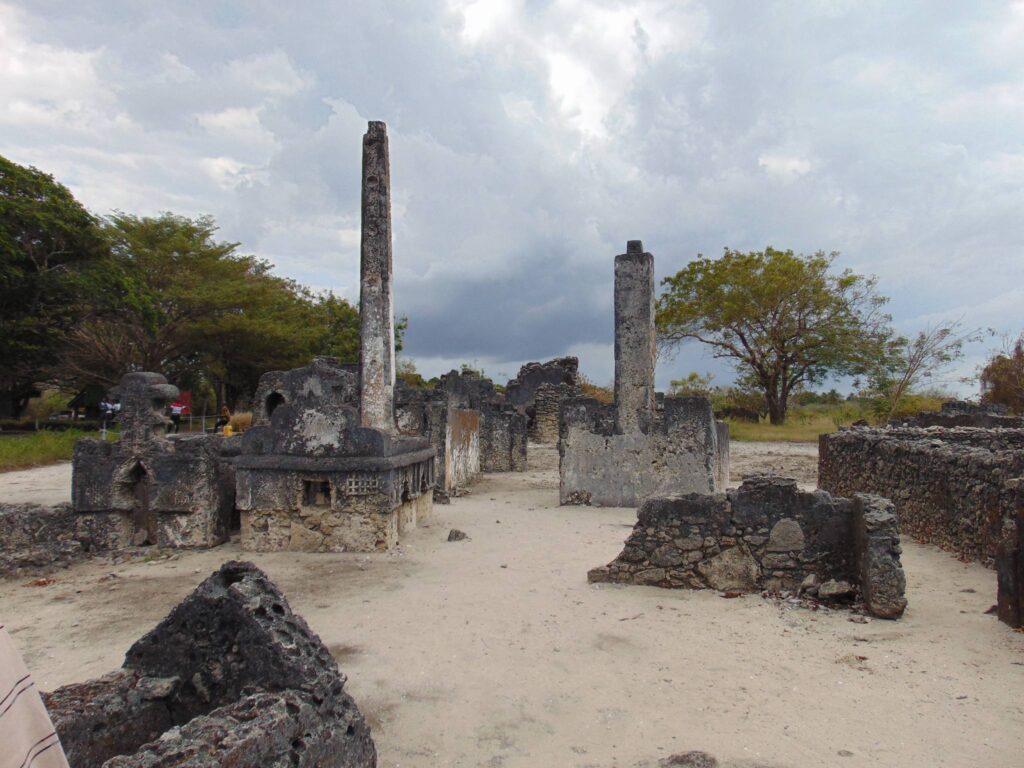
The historic coastal town in Pwani (Coast) Region of Tanzania, located approximately 65–75 km north of Dar es Salaam along the shores of the Indian Ocean. Renowned for its rich history, Swahili culture, coastal landscapes and marine environment, Bagamoyo is one of Tanzania’s most fascinating destinations for travelers seeking a combination of cultural discovery, historical exploration, beach relaxation and authentic local experiences.
For centuries, Bagamoyo played an important role in the Indian Ocean trade network, connecting the East African interior with coastal trading centers and overseas markets. It became a major port and an important stopping point for caravans carrying goods between the interior of Tanzania and the coast. This history left behind a remarkable collection of historic buildings, archaeological sites, old trading areas, religious sites and cultural traditions that visitors can explore today.
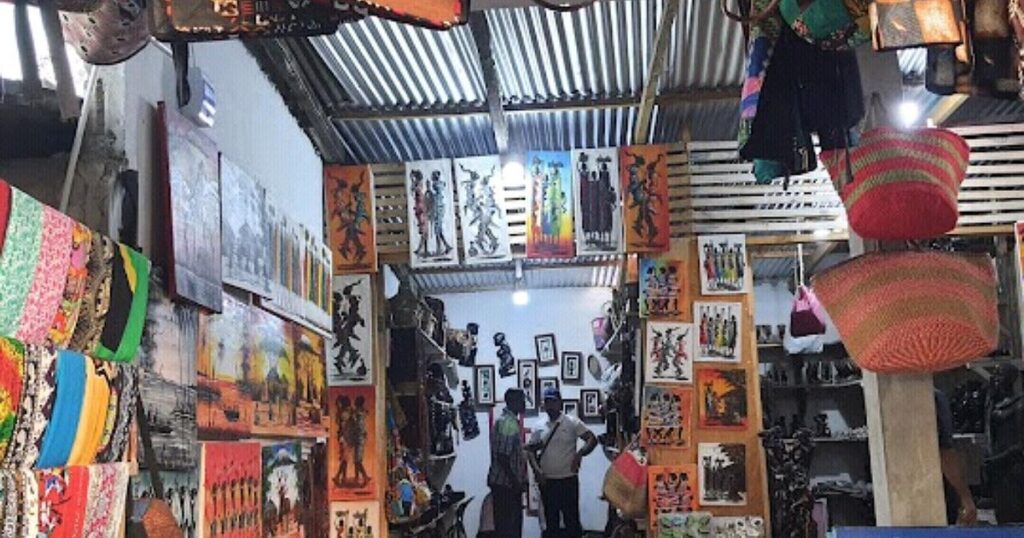
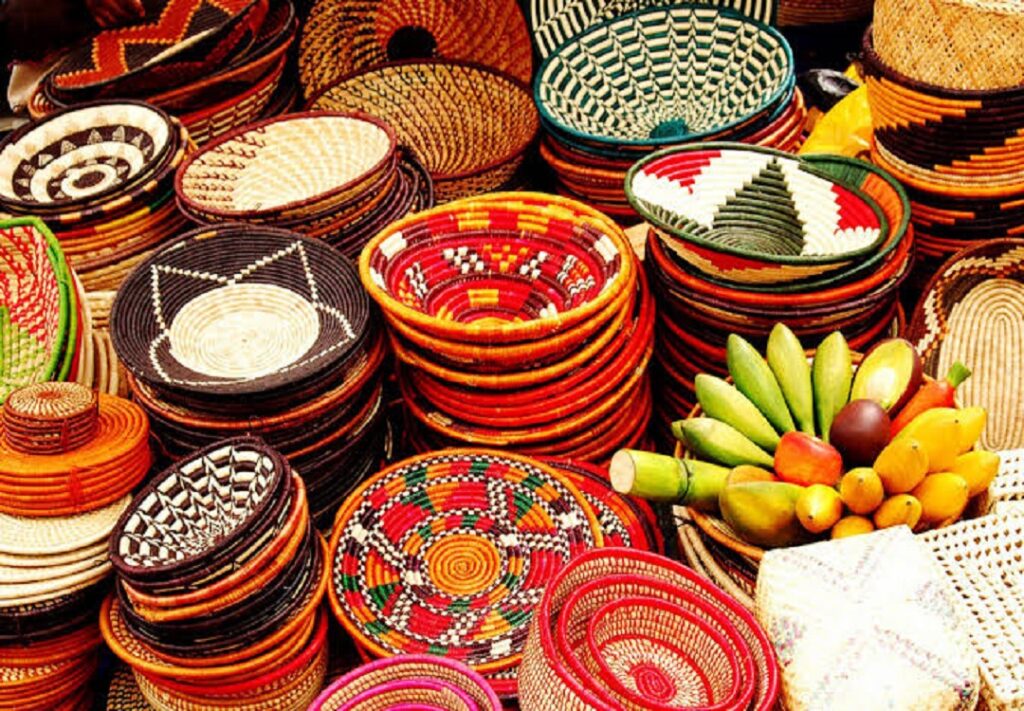
Bagamoyo also recognized for its strong artistic and cultural identity. Travelers can discover traditional Tanzanian arts and crafts, wood carving, paintings, Swahili cuisine, music and dance, while interacting with local communities and artisans.
BAGAMOYO AND THE HISTORY OF SLAVERY
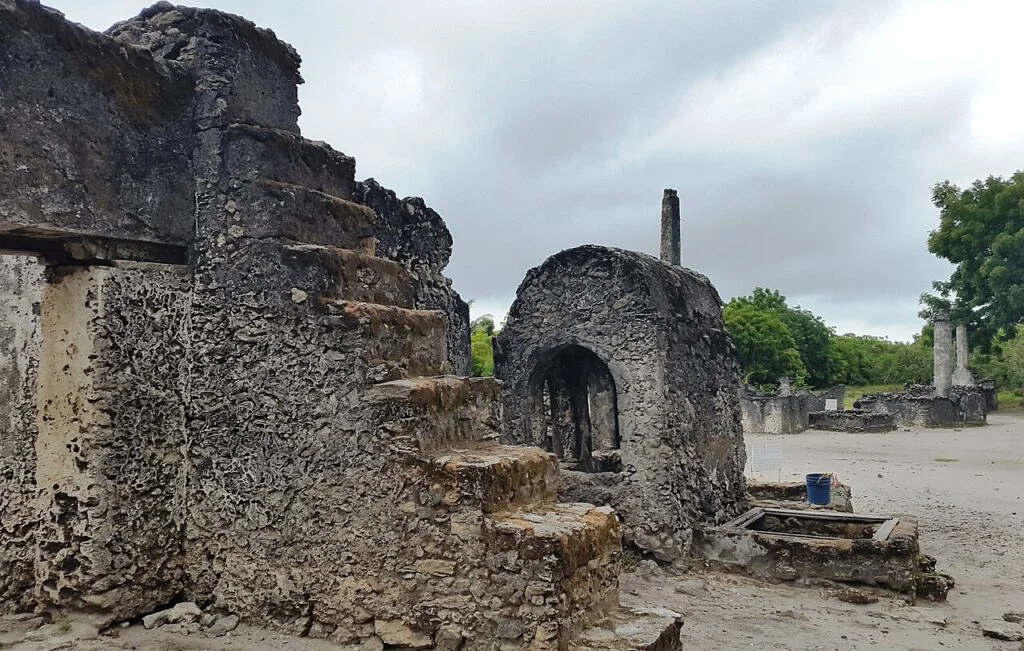
Bagamoyo played a significant role in the East African slave trade during the 19th century. It is important, however, to describe it accurately as a major coastal trading and embarkation point, rather than saying that Bagamoyo itself was the sole “source” of slaves. Captives were brought from the interior through long-distance caravan routes to the coast. One major route ran from Ujiji to Bagamoyo for more than 1,200 km. At Bagamoyo, enslaved people were held and then transported by sea, particularly to Zanzibar, which was a major slave-trading center.
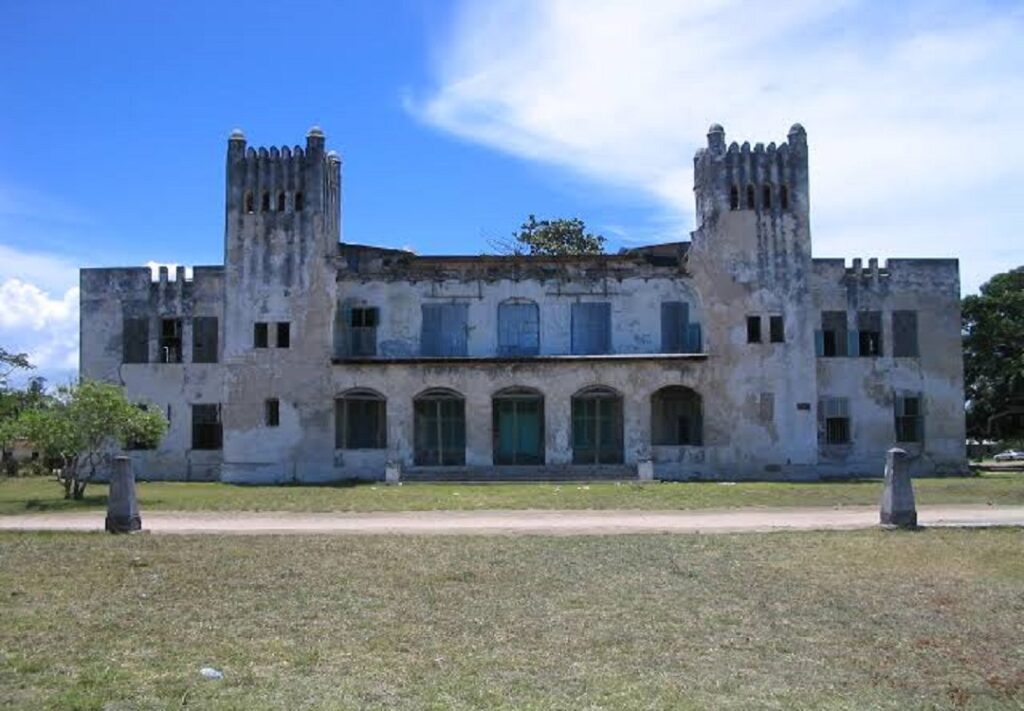
Historical evidence associated with Bagamoyo includes the Caravan Serai, Old Fort, Customs House, old market and other buildings connected with the trading period. UNESCO describes Bagamoyo as a place of memory associated with the suffering caused by slavery, the slave trade and colonialism.
For visitors, this history provides an opportunity to learn about a painful period in East African history, the journeys of enslaved people, the caravan trade and the eventual campaigns against slavery
RELIGIOUS AND MISSIONARY HISTORY AT BAGAMOYO
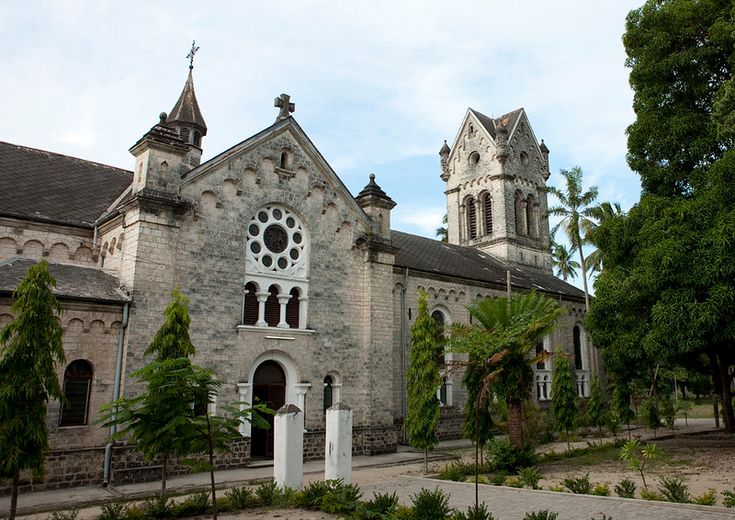
Bagamoyo played an important role in the development of Christian missionary activities in East Africa. During the 19th century, Catholic missionaries established a mission in Bagamoyo, making the town an important center for early Christian evangelization and education on mainland Tanzania.
Today, visitors can explore historic mission buildings, churches, cemeteries and other heritage sites associated with the early missionaries. Among the most significant is the Bagamoyo Catholic Mission, one of the oldest surviving Catholic mission complexes in Tanzania.
Bagamoyo’s religious heritage also reflects the meeting of different cultures and beliefs. African traditions, Islam, Christianity, Indian Ocean trade and European colonial influences all contributed to the town’s historical development, making it an important destination for travelers interested in Tanzania’s cultural and religious history.

BAGAMOYO HISTORICAL SITE OFFER
Experience the timeless charm of Bagamoyo, where centuries of Swahili history meet the beauty of Tanzania’s Indian Ocean coast. Explore historic streets, ancient ruins, former caravan routes and cultural landmarks that tell the story of Bagamoyo’s important role in East African trade and its difficult history associated with the slave and ivory trade.
Activities offered through Bagamoyo
- Museum visits
- Arts and crafts
- Beach relaxation
- Sunset experiences
- Fishing experiences
- Historical walking tours
- Kaole Ruins exploration
- Slave-trade heritage tours
- Swahili cultural experiences
Those activities making Bagamoyo a fascinating destination where history, culture, heritage and coastal beauty come together.
WILDLIFE & NATURE EXPERIENCE AROUND BAGAMOYO
Bagamoyo is primarily known for its history, culture and Indian Ocean coastline, but the surrounding area also offers a variety of wildlife, coastal and nature experiences. Its location near coastal forests, wetlands, beaches and protected areas makes it possible to combine heritage tourism with outdoor adventures.
SAADANI NATIONAL PARK – For wildlife & Beach
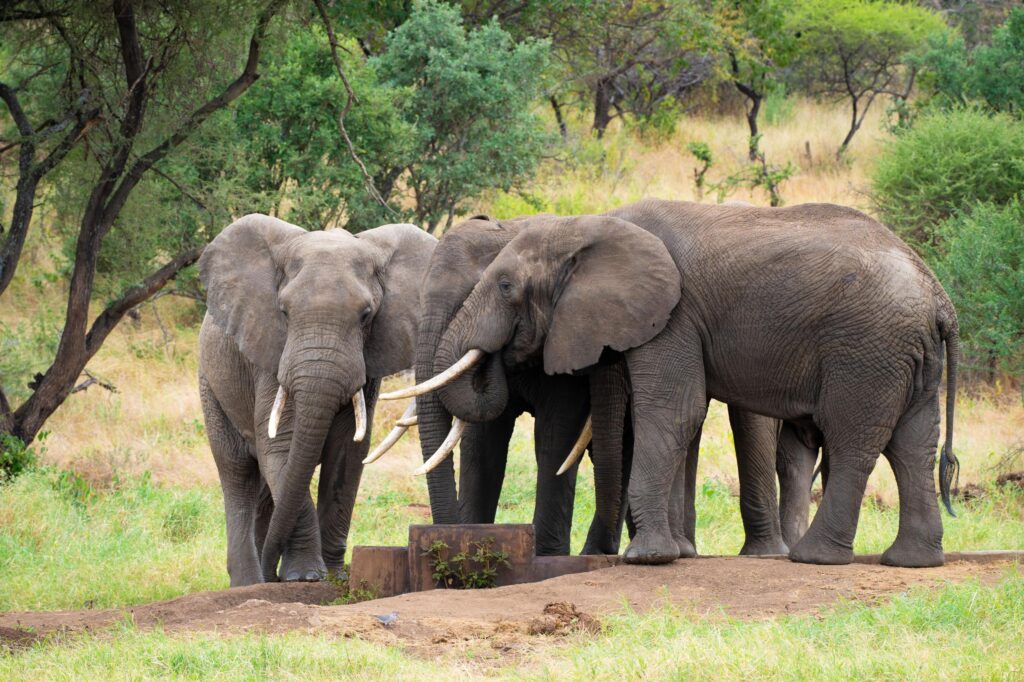
One of the most distinctive wildlife experiences near Bagamoyo is Saadani National Park, where the African bush meets the Indian Ocean. Visitors can experience elephants, giraffes, buffaloes, zebras, wildebeest, warthogs, hippos, crocodiles and various antelope species, as well as predators such as lions.
DAR ES SALAAM – For City Tour & Beach
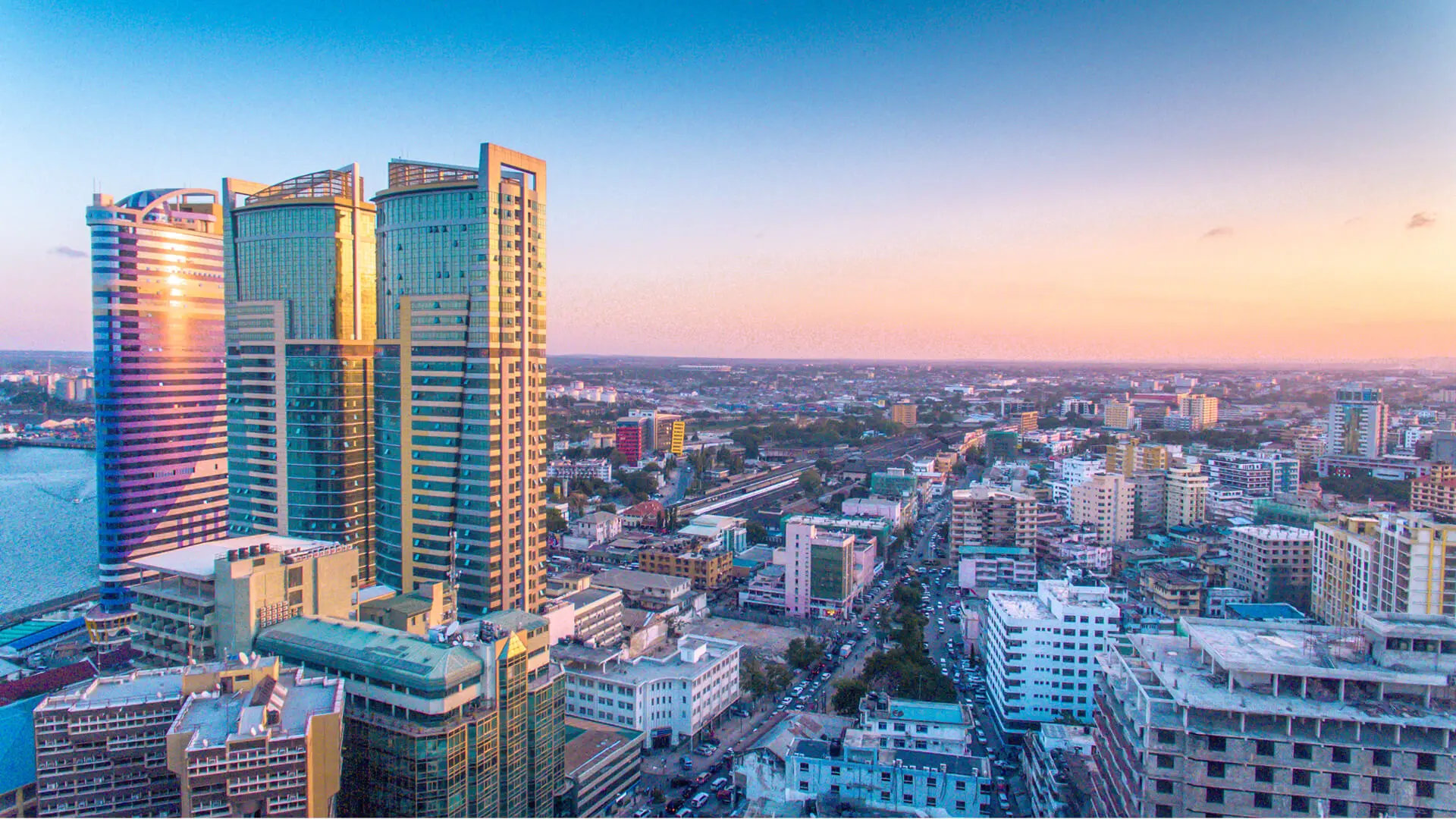
Explore historic landmarks and museums, experience lively local markets, taste authentic Swahili cuisine, relax on beautiful beaches, and discover nearby islands through snorkeling, boat trips and marine excursions in Dar es Salaam.
THE BEST TIME TO VISIT BAGAMOYO
The best time to visit Bagamoyo is generally from June to October, during Tanzania’s dry season. The weather is typically sunny, warm and relatively less humid, making this period excellent for exploring the historic town, visiting cultural and archaeological sites, enjoying the beach and taking coastal excursions.
Best time according to Moth’s
June & October
- Best overall period – dry weather, comfortable conditions and excellent for sightseeing, beach activities, photography and historical tours.
January – February
- Generally warm and suitable for beach holidays and cultural visits.
November – December (Short rain)
- Occasional rainfall, but tourism activities can still be enjoyed between showers.
March – May (April – rain season)
- Wetter and more humid, with heavier rainfall. Some outdoor activities may be affected, although the green coastal scenery can be beautiful.
The best time to experience Tarangire National Park is from June to October, when the dry season brings wildlife closer to the Tarangire River. Witness magnificent elephant herds, lions, giraffes, zebras, buffaloes and diverse birdlife against a spectacular backdrop of ancient baobabs and golden savannah. For a greener landscape and abundant birdlife, the months following the rains offer a beautiful alternative.

DRIVE TIME TO BAGAMOYO
- Dar es Salaam to Bagamoyo: 1.5 hour
- Bagamoyo to Saadani National Park: 2 hrs
Typical route: Dar es Salaam → Bagamoyo
Dar es Salaam → Kunduchi → Bunju → Mbezi → Kibaha → Bagamoyo
RELATED SAFARI'S!
Watch hundreds of thousands of wildebeest, accompanied by zebras and other herbivores, cross vast savannahs in search of fresh grazing, braving dramatic river crossings and powerful predators including crocodiles along the way. Happened at the Northern part of Serengeti - Kogatende through Mara river.
Experience the magic of the Great Migration calving season in the Southern Serengeti, especially around the Ndutu Plains. From January to March, vast herds of wildebeest gather on the green plains, with thousands of newborn calves taking their first steps. Witness incredible scenes of birth, survival, and predator action.

Experience the ultimate Tanzania adventure combining the breathtaking Great Migration Safari with the tropical beauty of Zanzibar. Witness vast herds of wildebeest and zebras across the Serengeti, then unwind on Zanzibar’s pristine beaches with crystal-clear waters, island excursions, snorkeling, and unforgettable sunsets.
Get In Touch
Its never too soon or too late to get in touch, we are always eager to help out