 info@mupanatours.com Blog
 +255714055829
DISCOVER USAMBARA MOUNTAINS
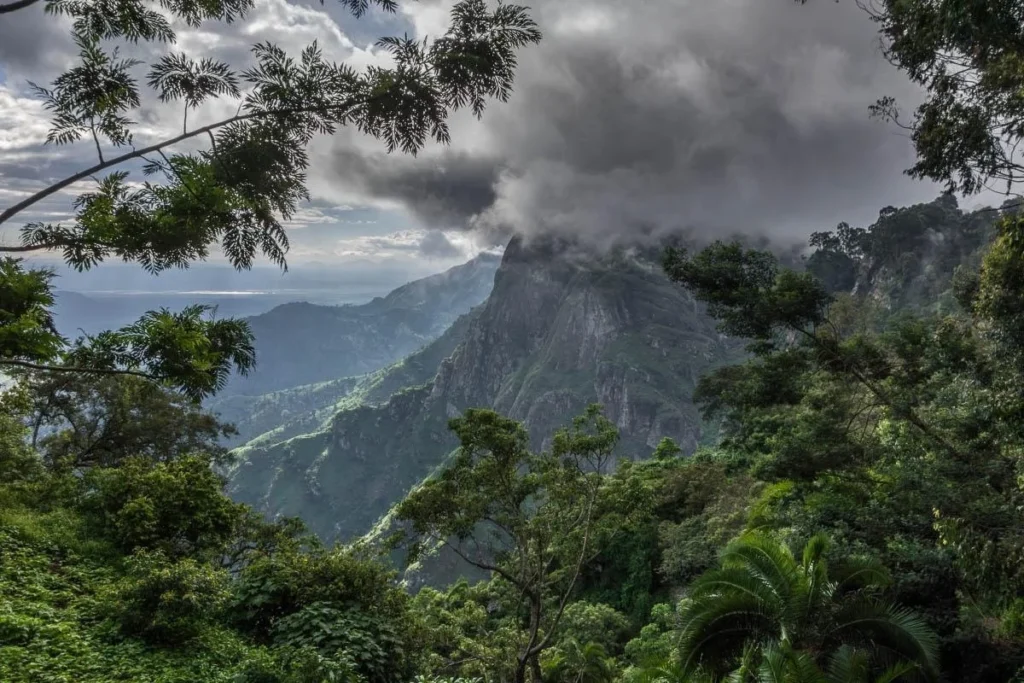
Discover the breathtaking beauty of the Usambara Mountains, where mist-covered peaks, lush montane forests, rolling hills and spectacular valleys create one of Tanzania’s most scenic highland landscapes.
USAMBARA MOUNTAIN!
THE BEST OF USAMBARA MOUNTAIN
USAMBARA MOUNTAINS
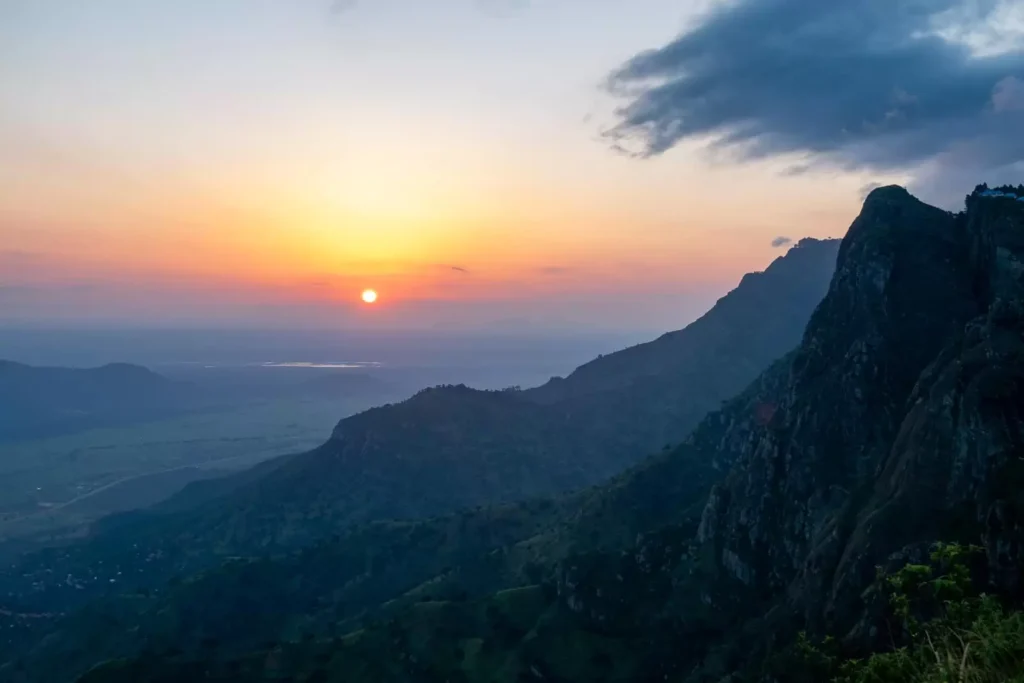
The Usambara Mountains are located in Northeastern Tanzania, within Tanga Region, near the town of Lushoto. Discover the breathtaking beauty of the Usambara Mountains, where mist-covered peaks, lush montane forests, rolling hills and spectacular valleys create one of Tanzania’s most scenic highland landscapes. Explore winding mountain trails through ancient forests and fertile countryside, where a remarkable variety of birds, butterflies, monkeys and other forest wildlife thrive.
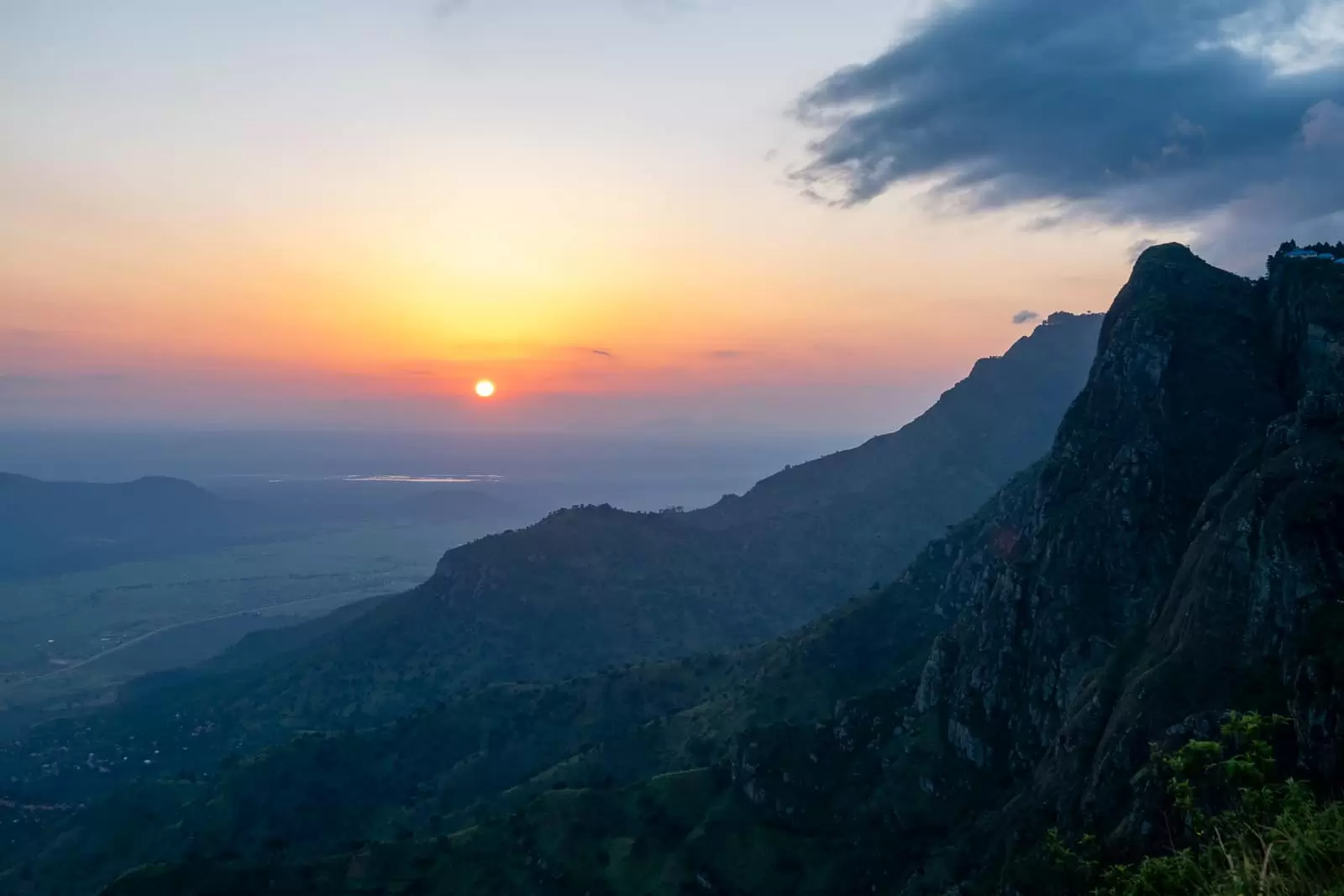
The Usambaras are particularly rewarding for nature lovers and birdwatchers, with opportunities to encounter endemic and near-endemic bird species, colorful butterflies and diverse forest vegetation. Walk through peaceful villages and forest trails, discover hidden waterfalls and viewpoints, and experience dramatic seasonal landscapes that change from fresh green scenery during the rains to clearer mountain vistas during the drier months.
Hiking, nature walks, bird watching, cultural encounters, photography and waterfall excursions allow visitors to experience the mountains at a slower and more intimate pace. From panoramic viewpoints overlooking the surrounding plains to the cool atmosphere of the montane forests, the Usambara Mountains offer a refreshing contrast to Tanzania’s traditional safari destinations.
The park near Usambara Mountain is Mkomazi National Park, particularly notable for its conservation of African wild dogs (African painted wolves) and black rhinoceros.
WILDLIFE & NATURE FOUND IN USAMBARA MOUNTAINS
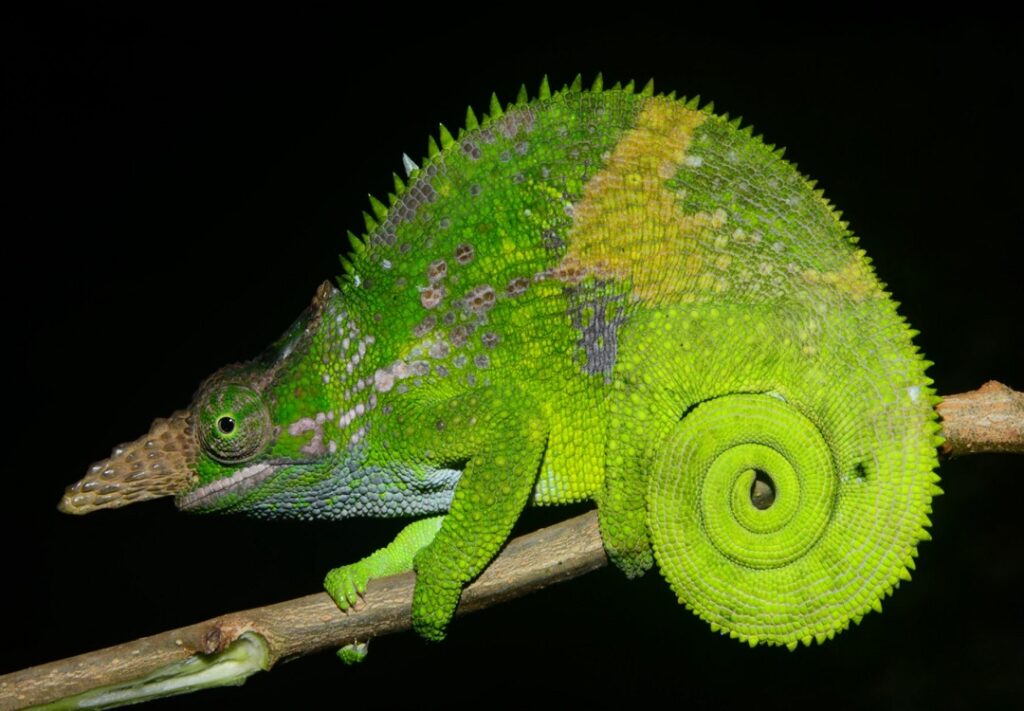
The Usambara Mountains are better known for their exceptional biodiversity and forest ecosystems than for large African safari animals. As part of Tanzania’s ancient Eastern Arc Mountains, the area contains many species that are endemic or have very restricted ranges.
Wildlife commonly encountered within forests and mountain trails includes:
- Bushbucks
- Chameleons
- Tree hyraxes
- Blue monkeys
- Sykes’ monkeys
- Frogs and other amphibians
- Black-and-white colobus monkeys
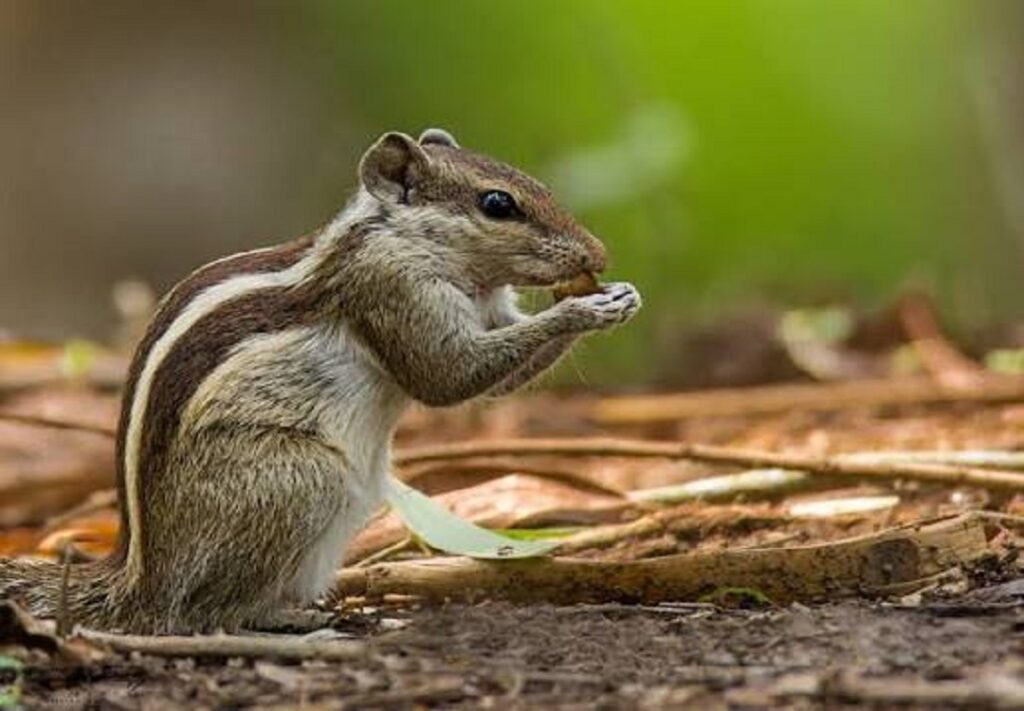
- Squirrels and other small mammals
- Duikers, particularly in forest habitats
- A remarkable variety of butterflies and other insects
Large animals such as elephants, lions and buffalo are not the main attraction here; the experience is focused on forest wildlife, biodiversity and mountain landscapes.
Birdlife
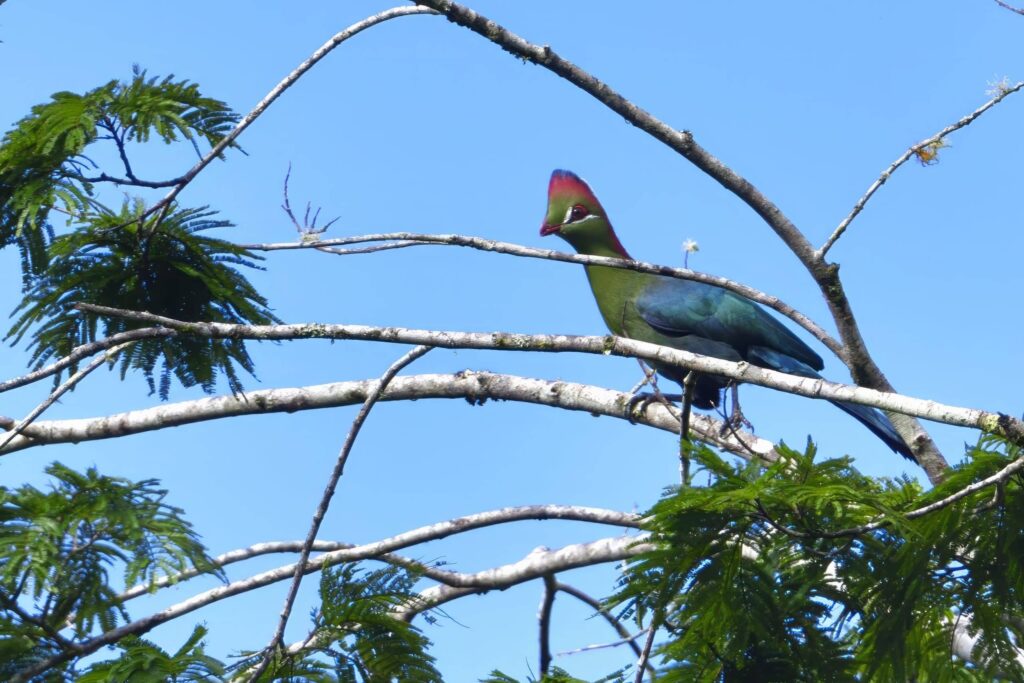
The Usambara Mountains are particularly famous among birdwatchers. The forests support numerous forest birds, including species that are endemic or near-endemic to the Eastern Arc Mountains.
Depending on the particular forest and location, birdwatchers may encounter:
- Amani sunbird
- Fischer’s turaco
- Usambara akalat
- Usambara weaver
- Uluguru bush shrike
- White-starred robin
- Usambara eagle-owl
- Banded green sunbird
- Various forest bulbuls, flycatchers, cuckoos and sunbirds
The combination of wetlands, woodland and open grassland creates habitats for a wide variety of resident and migratory birds.
MAJOR ATTRACTIONS & ACTIVITIES WITHIN TARANGIRE NATIONAL PARK
The Usambara Mountains are one of Tanzania’s most beautiful highland destinations, particularly known for their scenic landscapes, ancient forests, biodiversity, waterfalls, viewpoints and cultural experiences. The main attractions include:
- Hiking
- Forest walks
- Photography
- Village walks
- Bird watching
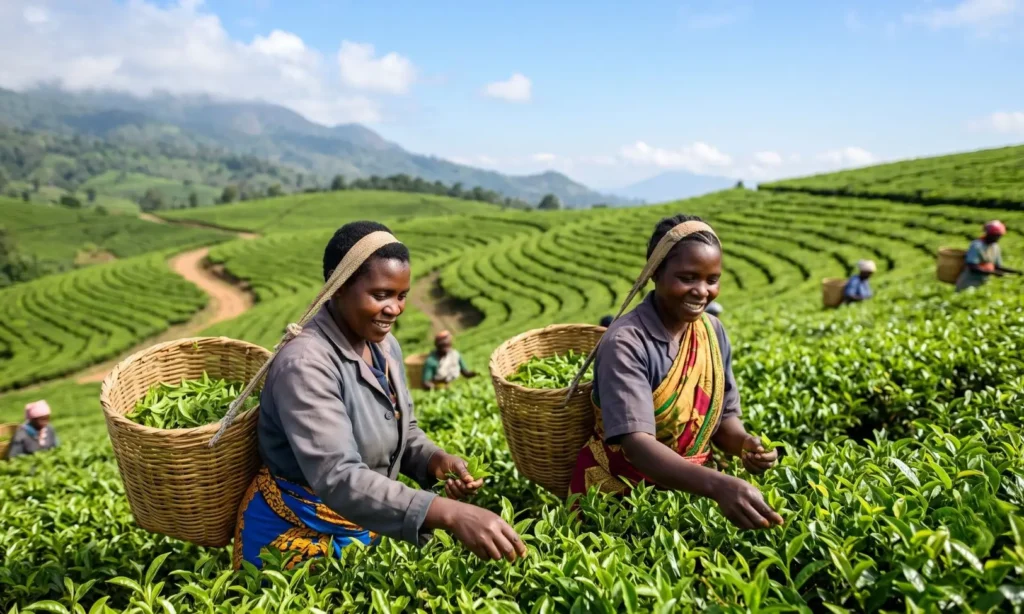
- Tea-farm visits
- Waterfall visits
- Scenic viewpoints
- Butterfly watching
- Monkey encounters
The Usambara Mountains are a biodiversity-rich highland destination where ancient forests, misty mountain slopes, waterfalls and fertile valleys provide a refuge for an extraordinary variety of wildlife. Visitors can encounter colobus and blue monkeys, duikers, bushbuck, chameleons, colorful butterflies and numerous forest species, while birdwatchers can search for rare and endemic birds found within the Eastern Arc Mountains. Combined with spectacular viewpoints, waterfalls, forest trails, tea plantations and traditional villages, the Usambaras offer an intimate nature experience that is very different from Tanzania’s classic savannah safaris.
THE BEST TIME TO VISIT USAMBARA MOUNTAINS
The Usambara Mountains can be visited throughout the year, but the best period depends on whether you are primarily interested in hiking, bird watching, forest exploration, photography, waterfalls and cultural experiences.
Best time according to Moth’s
June – October:- Best overall period
- Generally, the most favorable period for visiting the Usambara Mountains, particularly for hiking, trekking, sightseeing and photography.
November – December:- Short rains
- Experience shorter periods of rainfall. The landscape becomes greener while there are often periods of sunshine between showers.
January – February:- Warm & Dry
- The best period for visiting the Usambaras. Conditions are generally warmer, with a relatively drier interval between the main rainy seasons.
March – May (April – rain season)
- This period generally receives more rainfall. The mountains become exceptionally green and lush, waterfalls can be more impressive, and the forests have a fresh, vibrant appearance.
The best overall time to explore the Usambara Mountains is from June to October, when relatively dry conditions provide excellent opportunities for mountains activities including scenic viewpoints. January and February also offer favorable conditions, while the rainy seasons transform the mountains into a lush green paradise with fuller waterfalls, abundant vegetation and active wildlife.

DRIVE TIME TO USAMBARA MOUNTAINS
- Usambara to Dar es Salaam: 6 hours
- Arusha to Usambara Mountain: 6.5 hours
- Mkomazi National Park to Usambara Mountains: 3 hours
Typical route: Arusha → Usambara Mountains
Arusha → Mkomazi National Park → Usambara Mountain
RELATED SAFARI'S!
Watch hundreds of thousands of wildebeest, accompanied by zebras and other herbivores, cross vast savannahs in search of fresh grazing, braving dramatic river crossings and powerful predators including crocodiles along the way. Happened at the Northern part of Serengeti - Kogatende through Mara river.
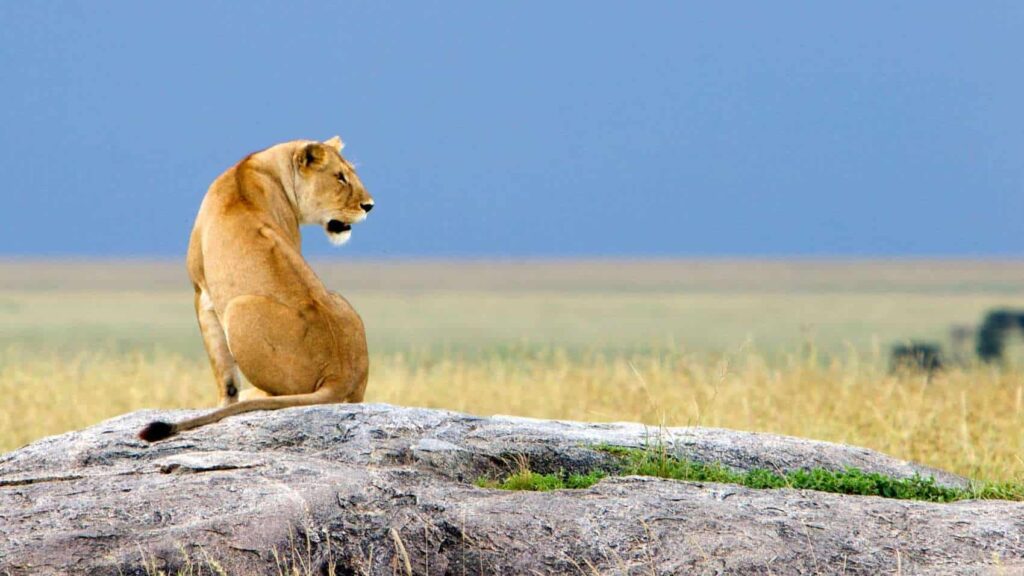
Experience the magic of the Great Migration calving season in the Southern Serengeti, especially around the Ndutu Plains. From January to March, vast herds of wildebeest gather on the green plains, with thousands of newborn calves taking their first steps. Witness incredible scenes of birth, survival, and predator action.
Experience the ultimate Tanzania adventure combining the breathtaking Great Migration Safari with the tropical beauty of Zanzibar. Witness vast herds of wildebeest and zebras across the Serengeti, then unwind on Zanzibar’s pristine beaches with crystal-clear waters, island excursions, snorkeling, and unforgettable sunsets.
Get In Touch
Its never too soon or too late to get in touch, we are always eager to help out