 info@mupanatours.com Blog
 +255714055829
DISCOVER LAKE NAKURU NATIONAL PARK
Kenya’s Great Rift Valley, renowned for its rhino conservation, spectacular lake scenery, diverse wildlife and exceptional birdlife. Lake Nakuru’s landscape changes with the seasons, from lush green grasslands during wetter periods to golden open plains during drier months, while the lake and surrounding wetlands provide important habitat for wildlife and birds.
LAKE NAKURU NATIONAL PARK!
THE BEST OF LAKE NAKURU NATIONAL PARK
LAKE NAKURU NATIONAL PARK
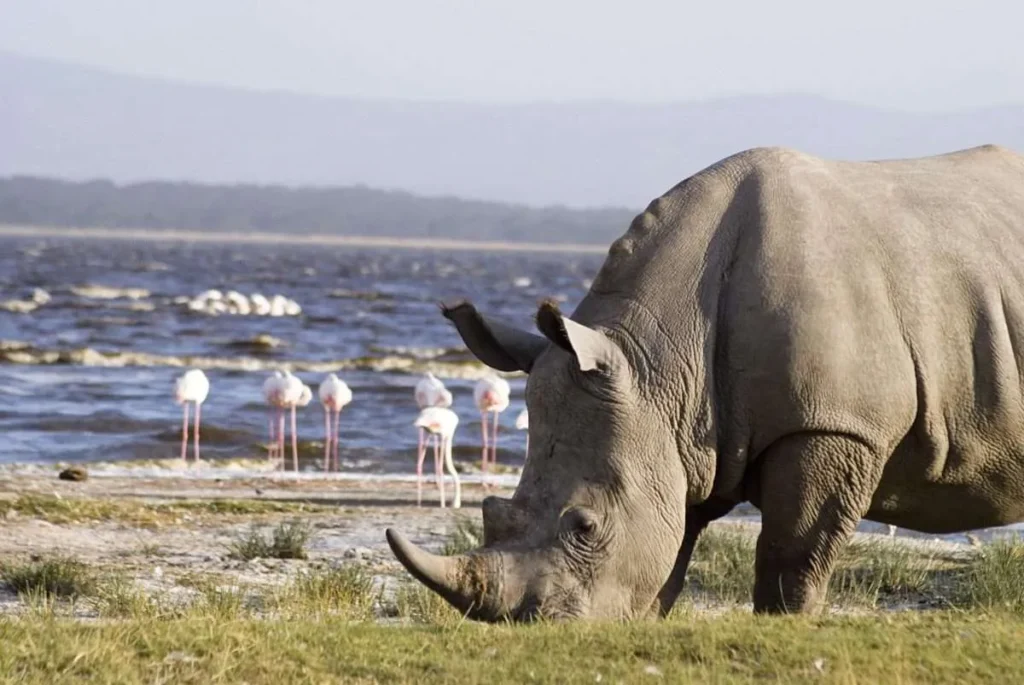
The park located in the heart of the Great Rift Valley in Nakuru County, central Kenya. The park surrounds the beautiful Lake Nakuru and combines a remarkable mixture of lake, grasslands, acacia woodlands, rocky escarpments and forested areas, creating a rich environment for wildlife and birdlife. The park lies approximately 156 km northwest of Nairobi, making it a convenient destination to include in a Kenya safari circuit. Its relatively accessible location allows travelers to combine a visit to Lake Nakuru with other major destinations such as Nairobi, Lake Naivasha, Lake Bogoria and the Maasai Mara.
Lake Nakuru itself forms the heart of the protected area, creating a striking contrast between the shimmering waters of the lake and the surrounding green and golden landscapes. The lake’s changing water levels and seasonal conditions continually influence the appearance of the ecosystem, particularly the distribution of water birds and other wildlife.
WILDLIFE FOUND IN LAKE NAKURU NATIONAL PARK
Lake Nakuru National Park is a remarkable wildlife and birdwatching destination in Kenya’s Great Rift Valley. Its combination of open grasslands, acacia woodland, rocky escarpments, wetlands and the alkaline Lake Nakuru supports a wide variety of animals and birds.
Wildlife commonly encountered includes:
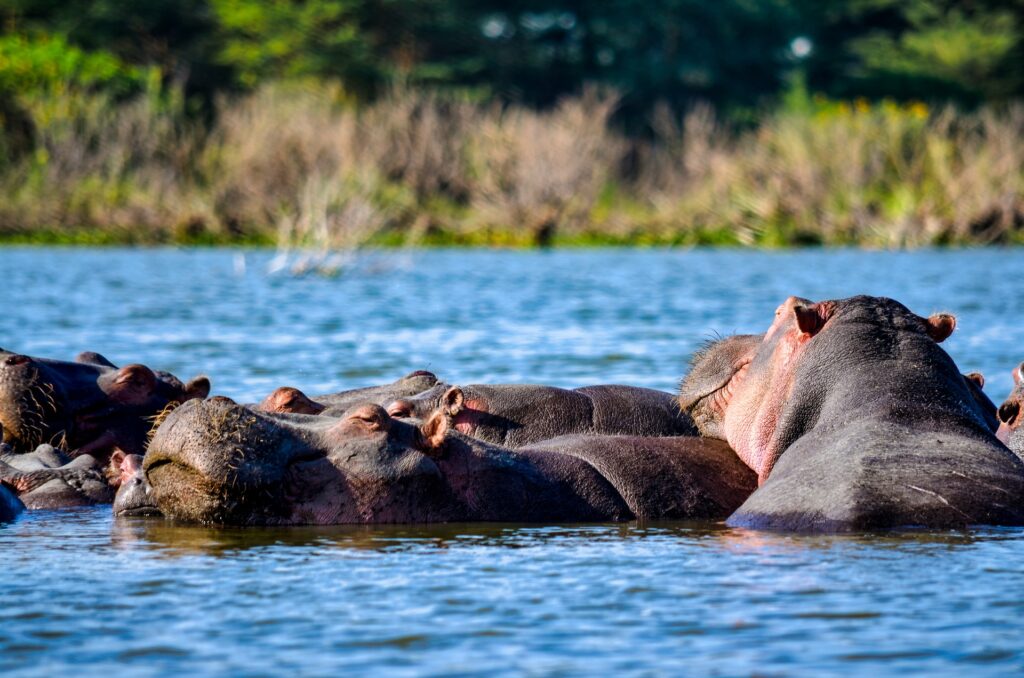
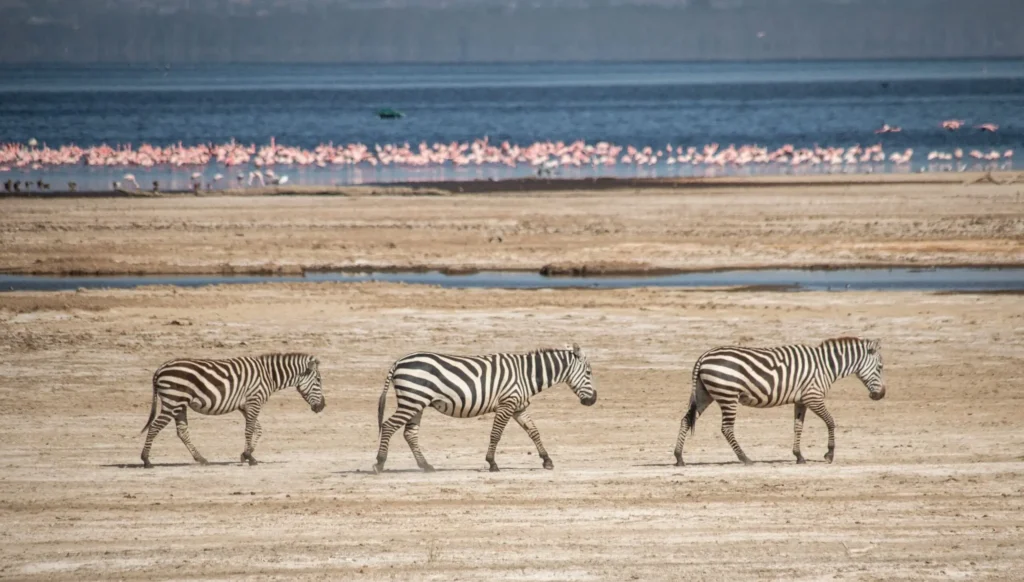
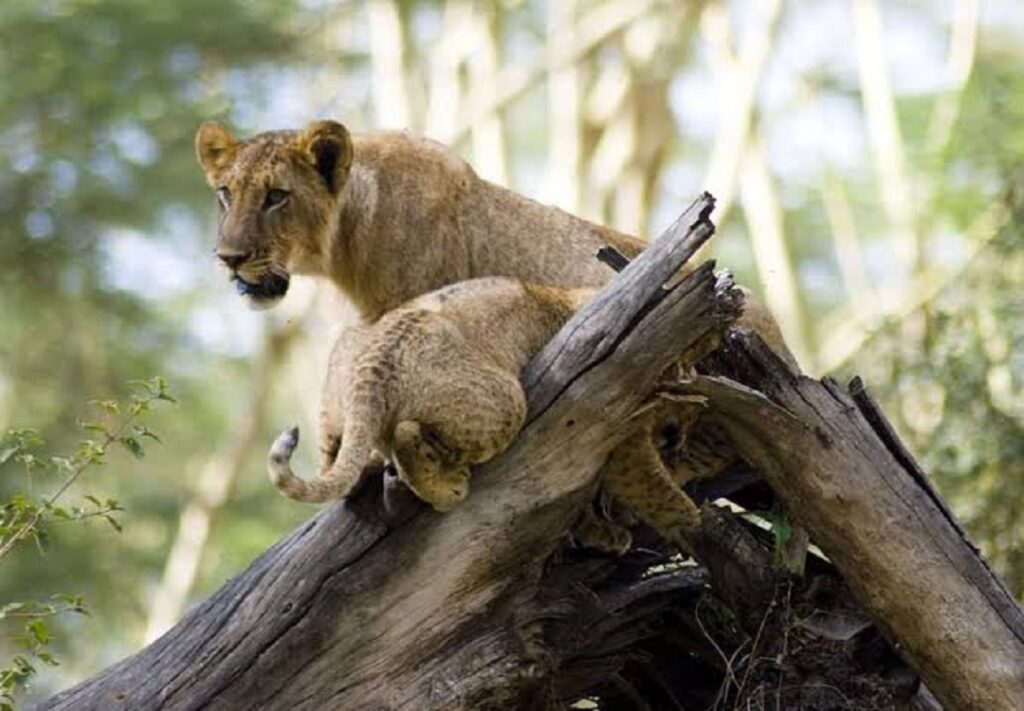
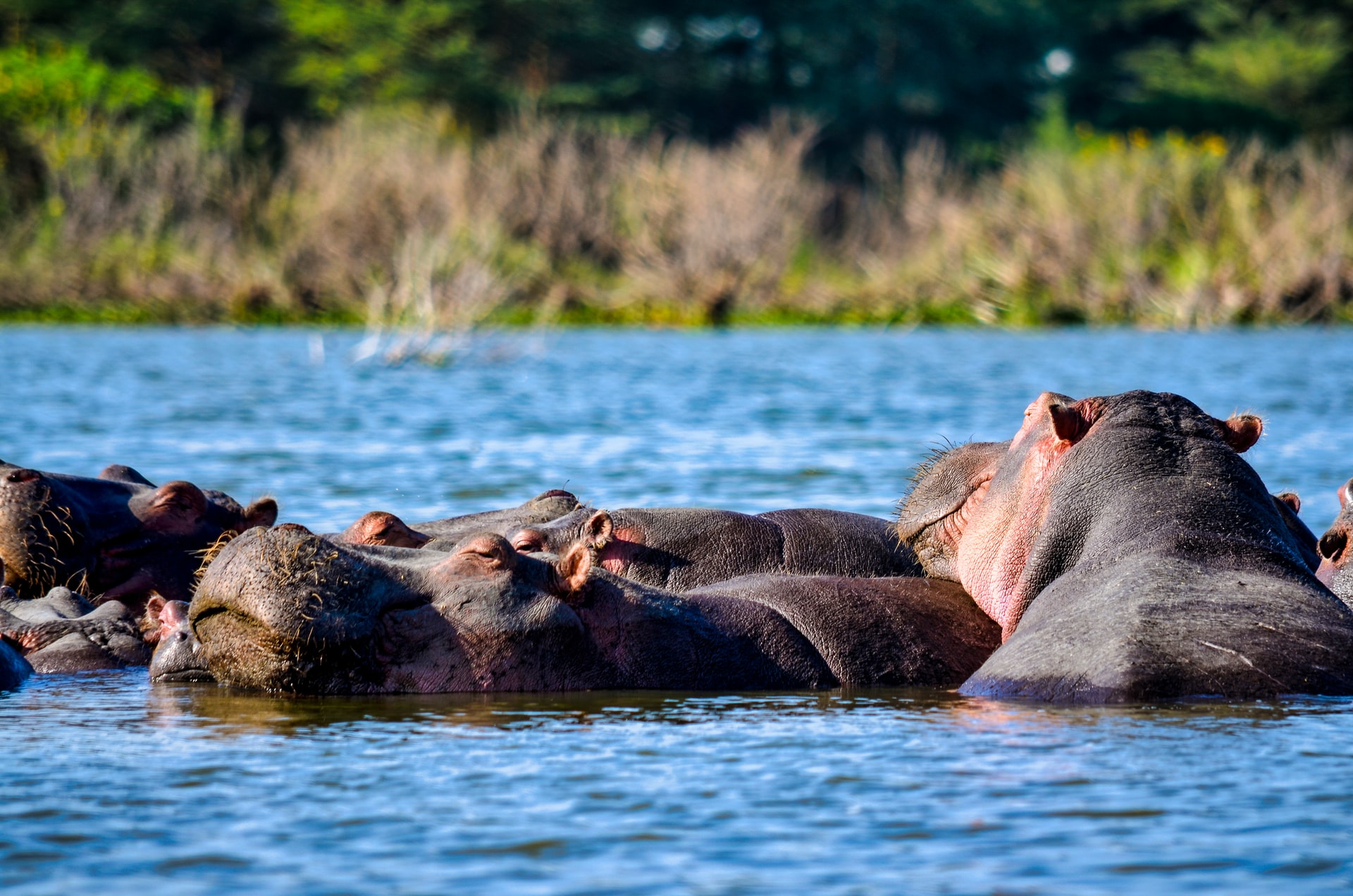
- Black rhinoceros, White rhinoceros, Rothschild’s giraffe, Lion, Leopard, African buffalo, Zebra, Impala, Waterbuck, Eland, Thomson’s gazelle, Grant’s gazelle, Warthog, Olive baboon, Vervet monkey, Spotted hyena, Black-backed jackal, Serval, Hippopotamus, Rock hyrax, Black-and-white colobus monkey
Birdlife
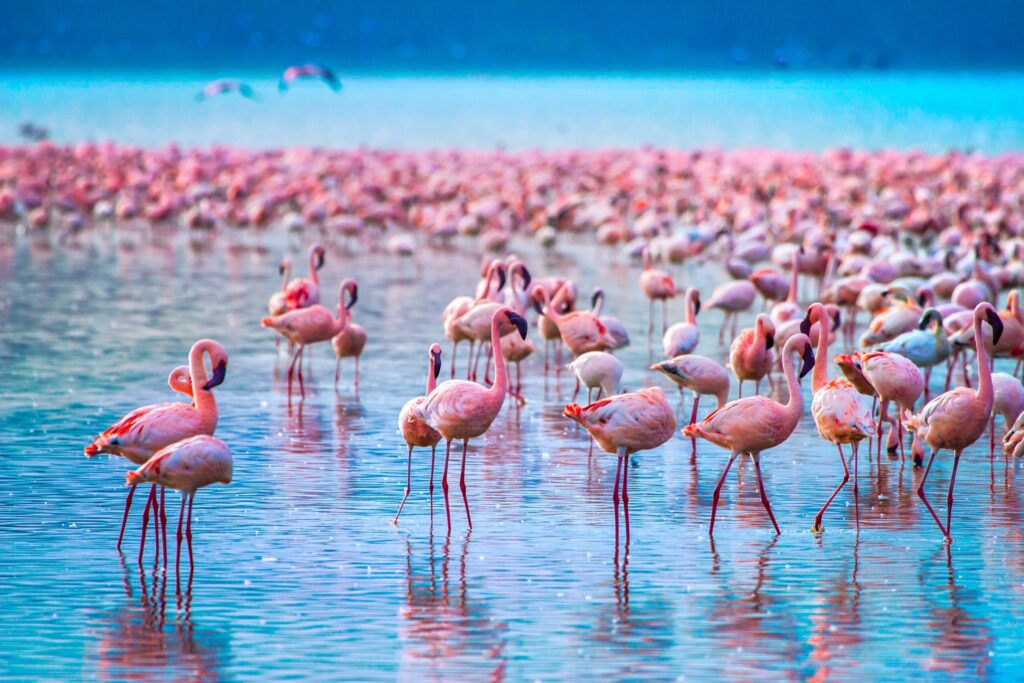
Lake Nakuru is also renowned for its rich birdlife, with hundreds of species in the park. The lake, wetlands and surrounding habitats attract both resident and migratory birds, including. (More than 450 bird species).
- Greater flamingo, Lesser flamingo, African fish eagle, Tawny eagle, Martial eagle, Various vultures, Great white pelican, Egyptian goose, African spoonbill, Marabou stork, Yellow-billed stork, Grey crowned crane, Hamerkop, African jacana, Kingfishers, Bee-eaters, Hornbills, Herons and egrets, Various waders and shorebirds.
The arrival of migratory birds adds another dimension to Lake Nakuru’s already rich birdlife, complementing resident species.
MAJOR ATTRACTIONS & ACTIVITIES WITHIN LAKE NAKURU NATIONAL PARK
ATTRACTION.
Lake Nakuru & Flamingoes:
The lake is an important habitat for water birds. Greater and lesser flamingoes may be seen depending on lake conditions, alongside pelicans, storks, herons and other water birds.Within the park.
ACTIVITIES.
Activities within the park.
- Game Drives
- Bird Watching
- Viewpoint Visits
- Rhino Watching
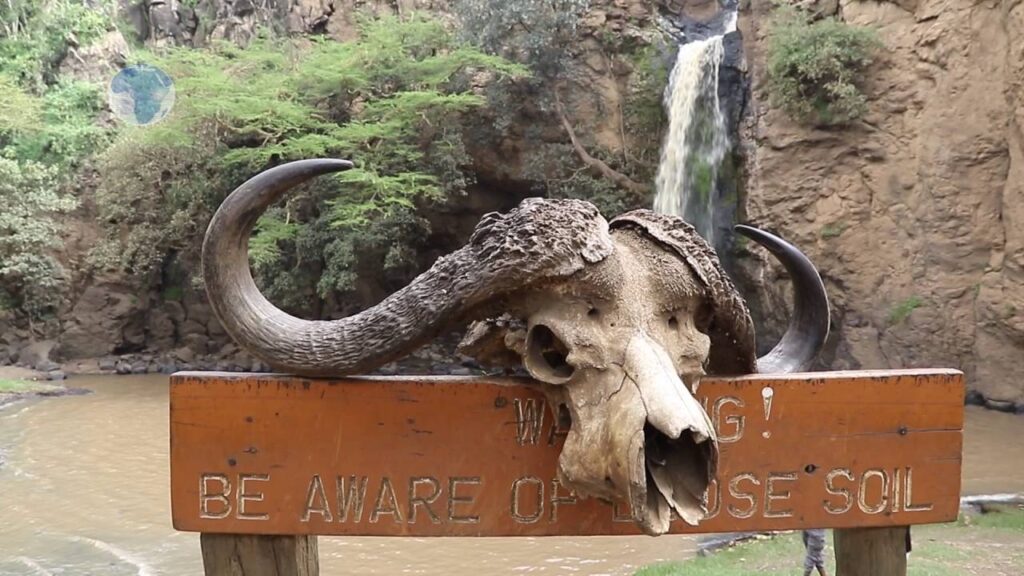
- Makalia Waterfall Excursion
- Wildlife & Landscape Photography
Activities outside the park.
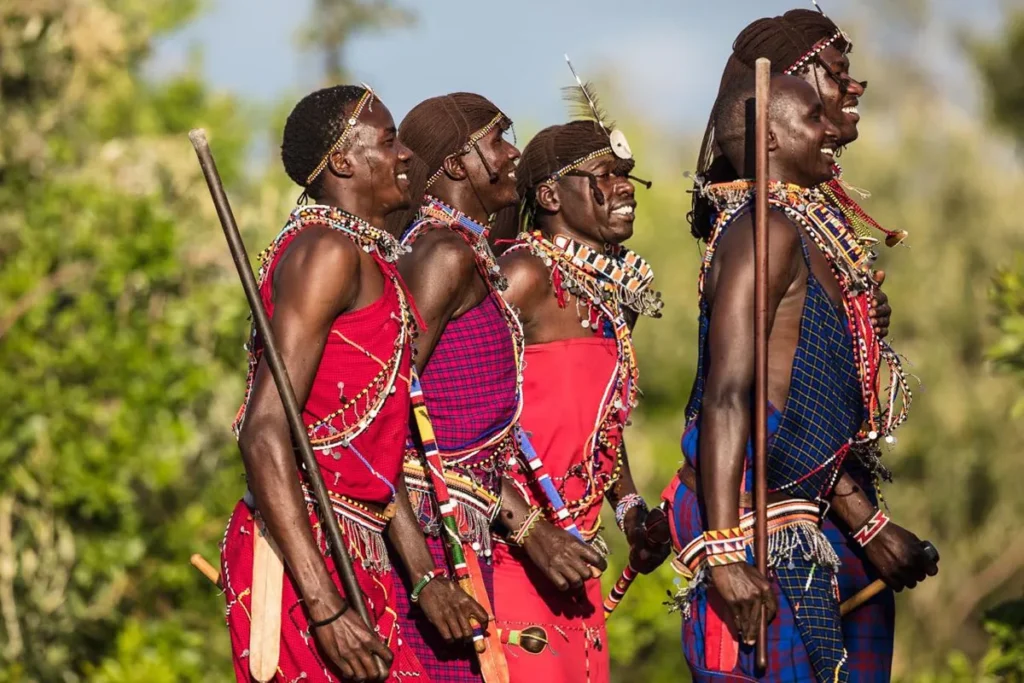
- Cultural Experiences
- Lake Nakuru City Tour
- Hiking & Rock Climbing
- Boat Safari on Lake Naivasha
THE BEST TIME TO VISIT LAKE NAKURU NATIONAL PARK
The park can be visited throughout the year, and every season offers a different perspective of its wildlife and landscapes. However, the best period depends on whether your priority is wildlife concentration, photography, bird watching, green scenery or fewer visitors.
Best time according to Moth’s
June – October: Excellent for wildlife viewing
- Generally, one of the most rewarding periods for a classic Amboseli safari. This is the drier part of the year, when vegetation becomes less dense and animals are often easier to spot across the open plains. As the dry season progresses, wildlife increasingly depends on the park’s permanent wetlands, marshes and other reliable water sources.
January–February: Warm and Dry
- The weather offers another favorable window for visiting Amboseli. These months fall between the main rainy periods and can provide a good balance of wildlife viewing and green landscapes. There may still be water and vegetation in the wetlands, while the surrounding plains can remain relatively open for game viewing.
March–May: Long-rain season
- The long rains generally occur from March to May, transforming Amboseli’s normally dry landscape into a much greener and more vibrant environment. Rainfall brings fresh vegetation, replenishes wetlands and creates dramatic seasonal scenery.
November – December: Best for green landscapes, birdlife and a quieter atmosphere
- Bring the shorter rains, which can gradually refresh the landscape after the dry season. The arrival of rain stimulates new vegetation growth, and the plains can become increasingly green.
The best time to experience Amboseli National Park is throughout the year, as each season offers a unique safari experience.

DRIVE TIME TO LAKE NAKURU NATIONAL PARK
- Nairobi to Lake Nakuru National Park: 3 hours
- Lake Nakuru to Lake Naivasha National Park: 1 hour
- Lake Nakuru to Masai Mara National Reserve: 5 hours
RELATED SAFARI'S!
Watch hundreds of thousands of wildebeest, accompanied by zebras and other herbivores, cross vast savannahs in search of fresh grazing, braving dramatic river crossings and powerful predators including crocodiles along the way. Happened at the Northern part of Serengeti - Kogatende through Mara river.
Experience the magic of the Great Migration calving season in the Southern Serengeti, especially around the Ndutu Plains. From January to March, vast herds of wildebeest gather on the green plains, with thousands of newborn calves taking their first steps. Witness incredible scenes of birth, survival, and predator action.
Experience the ultimate Tanzania adventure combining the breathtaking Great Migration Safari with the tropical beauty of Zanzibar. Witness vast herds of wildebeest and zebras across the Serengeti, then unwind on Zanzibar’s pristine beaches with crystal-clear waters, island excursions, snorkeling, and unforgettable sunsets.
Get In Touch
Its never too soon or too late to get in touch, we are always eager to help out