DISCOVER KIBALE NATIONAL PARK
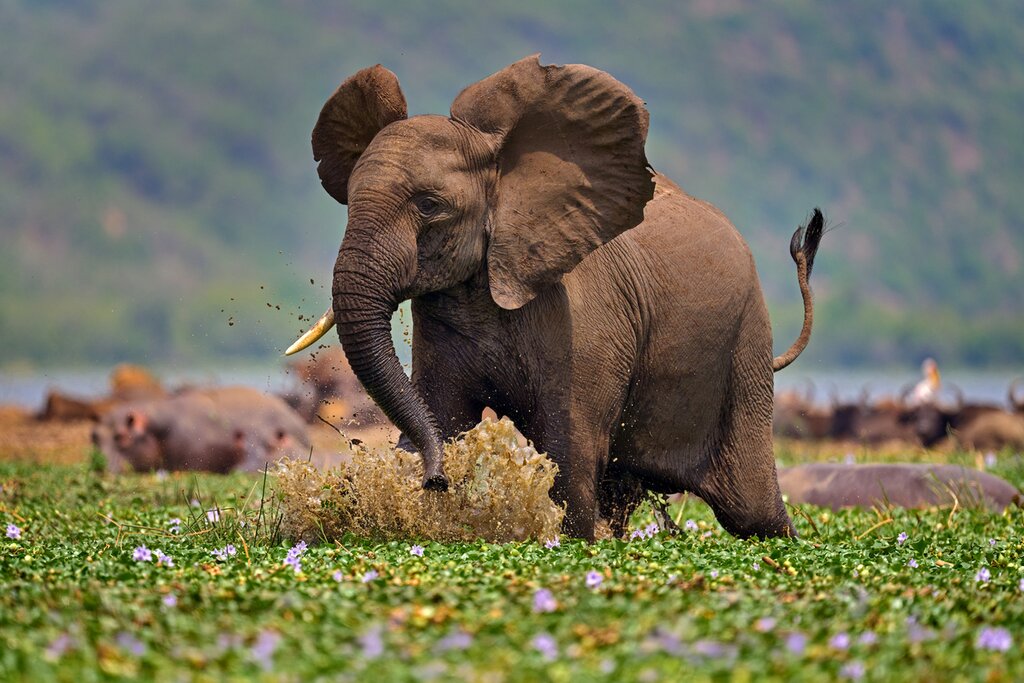
Encounter enormous elephant herds, ancient baobab trees, including other animal species and spectacular seasonal landscapes. Explore the park’s open savannahs, woodlands and seasonal wetlands, where animals and hundreds of bird species thrive.
KIBALE NATIONAL PARK!
THE BEST OF KIBALE NATIONAL PARK
KIBALE NATIONAL PARK
One of Uganda’s most important tropical forest protected areas and is internationally recognized for its exceptional concentration of primates, especially chimpanzees. The park located in western Uganda, approximately 20 km southeast of Fort Portal and about 24 km east of the foothills of the Rwenzori Mountains. It extends across parts of Kabarole, Kyenjojo, Kamwenge and Kasese districts. The park protects a large tract of evergreen forest together with woodland and savannah habitats, creating a remarkable transition between the forests of western Uganda and the Rift Valley landscapes farther south. Uganda Wildlife Authority describes the park as approximately 795 km² in area.
The park is also strategically positioned near several major western Uganda destinations, including Queen Elizabeth National Park, Rwenzori Mountains National Park and Semuliki National Park, making it an important part of western Uganda safari circuits.
Kibale’s conservation history goes back to the colonial period. In 1932, the government officially designated Kibale as a Crown Forest, bringing activities such as logging under regulation by the Forest Department. In 1948, Kibale was formally designated a Central Forest Reserve. This provided a stronger legal framework for protecting its extensive forest resources. For many years, forestry was an important use of the area, particularly timber production. The management history gradually shifted toward recognizing the forest’s broader ecological value, including its exceptional biodiversity.
Kibale eventually received National park status, bringing the forest under a stronger wildlife and biodiversity conservation framework. UWA’s park profile notes that the area was established as a forest reserve in the 1940s and subsequently upgraded to national park status in recognition of its exceptional biodiversity.
WILDLIFE FOUND IN KIBALE NATIONAL PARK
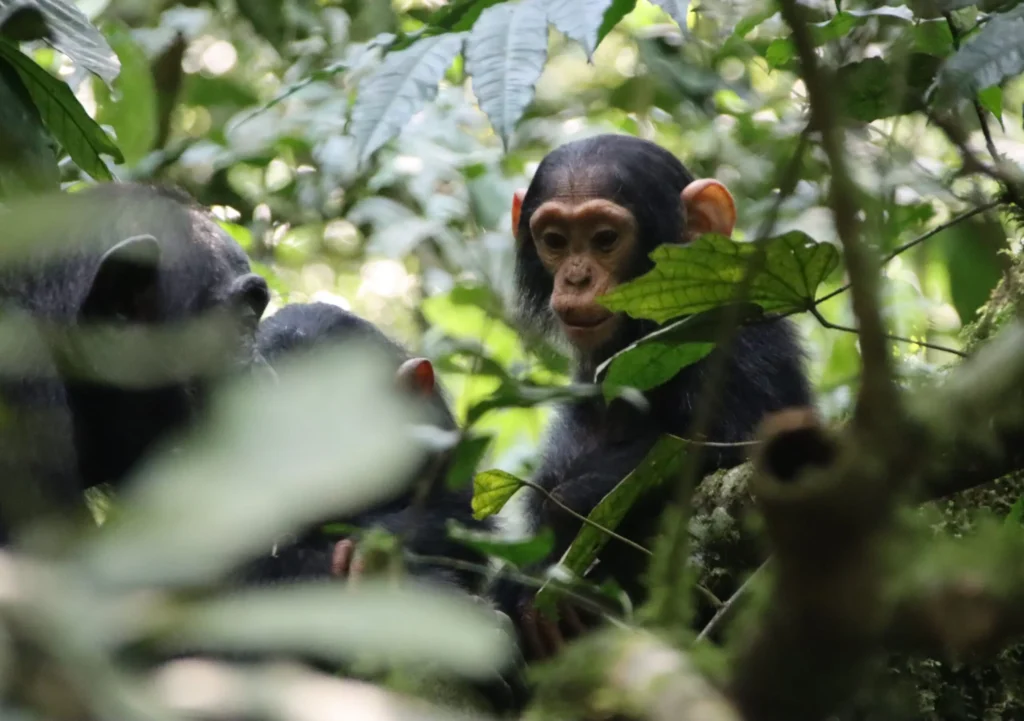
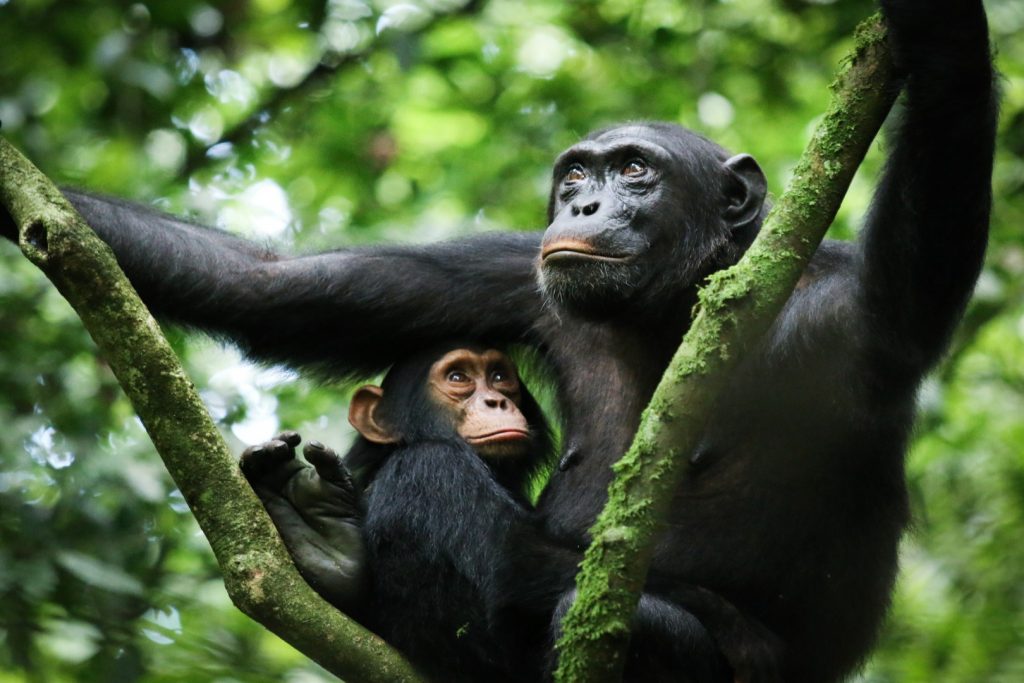
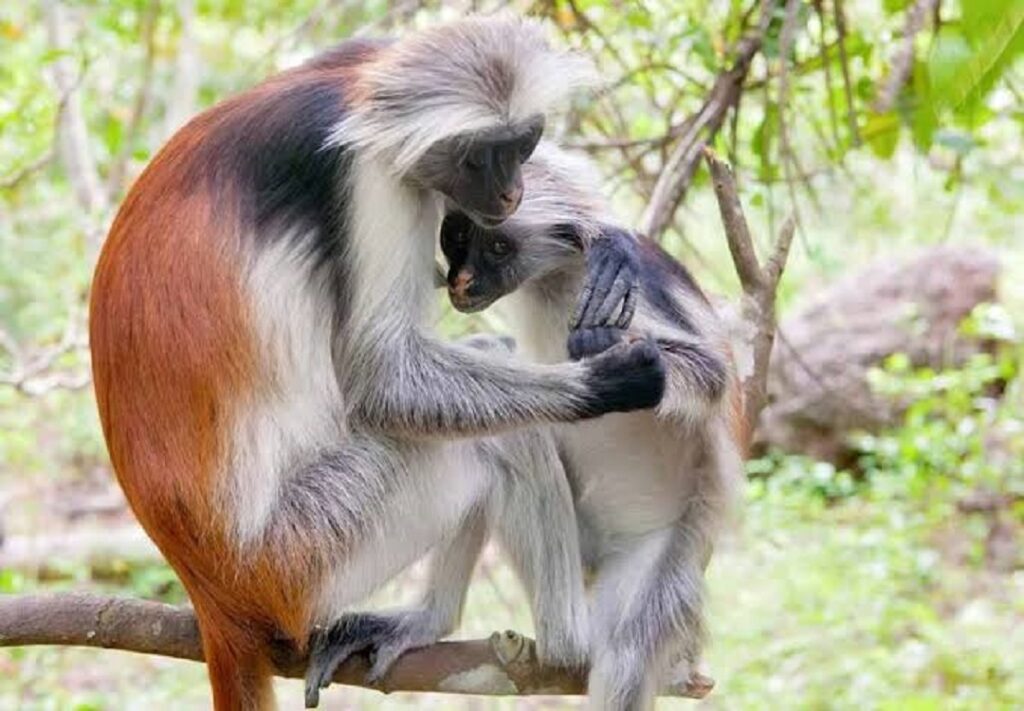
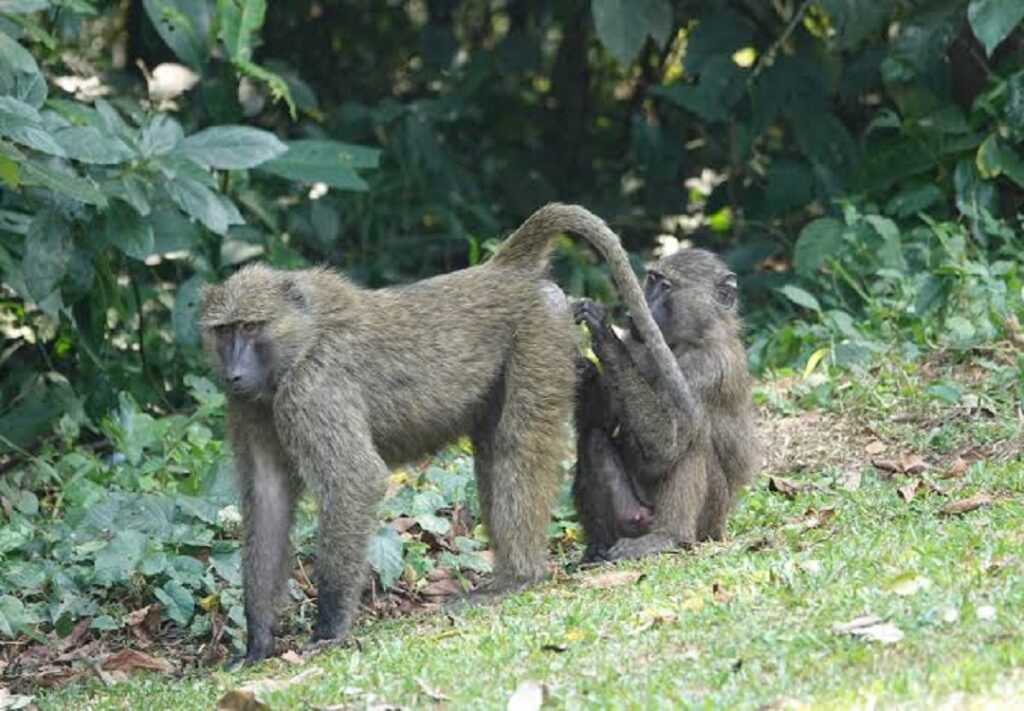
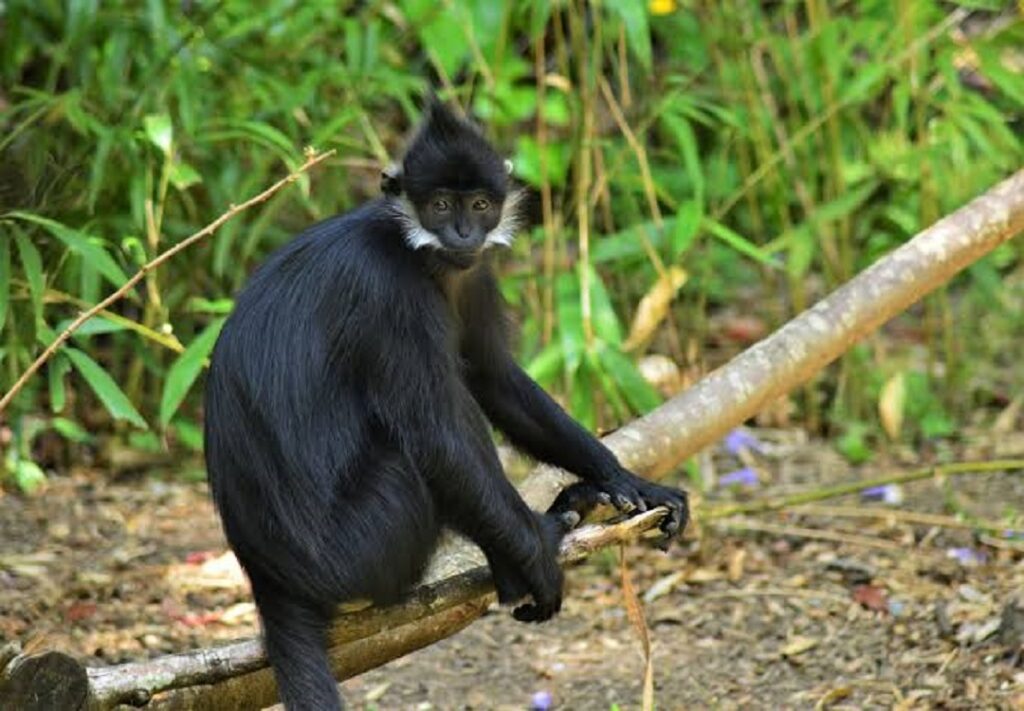
Kibale National Park is one of Africa’s most important primate destinations, supporting 71 recorded mammal species and 13 primate species. It is particularly famous for its chimpanzees and exceptional diversity of forest monkeys.
- Pottos
- Bushbabies
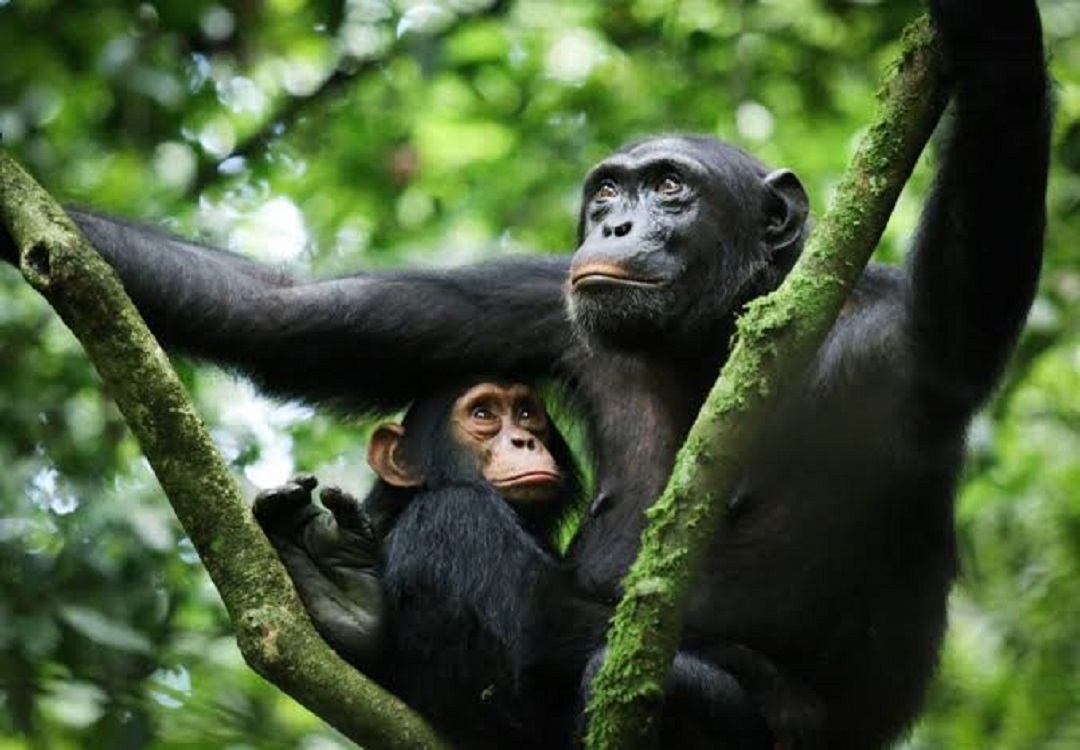
- Chimpanzees
- Blue monkeys
- Olive baboons
- Vervet monkeys
- Uganda mangabeys
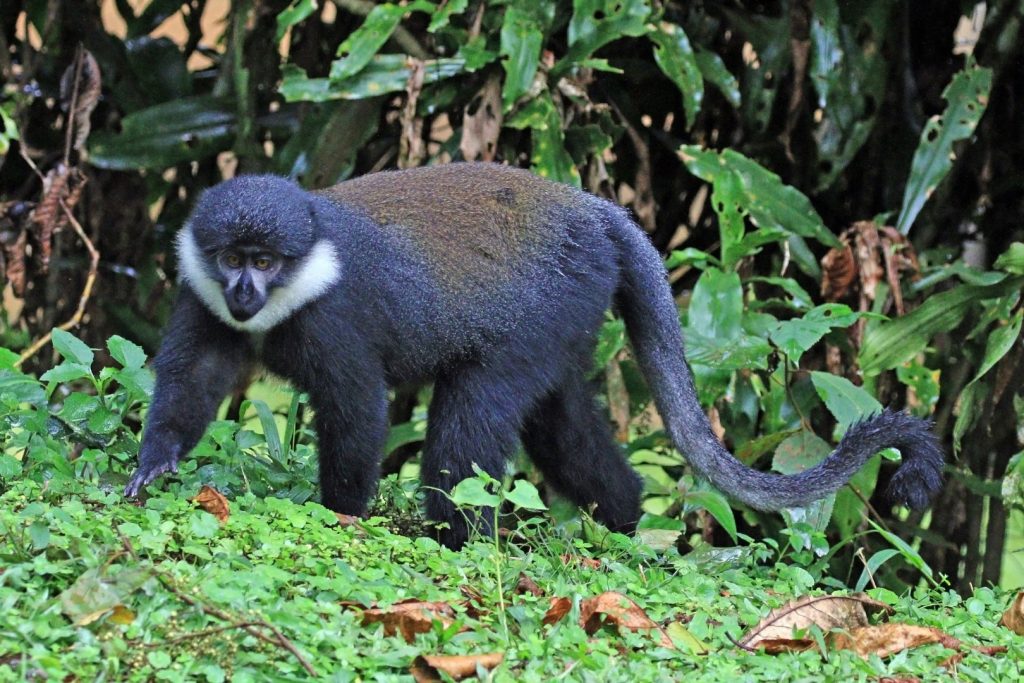
- L’Hoest’s monkeys
- Red-tailed monkeys
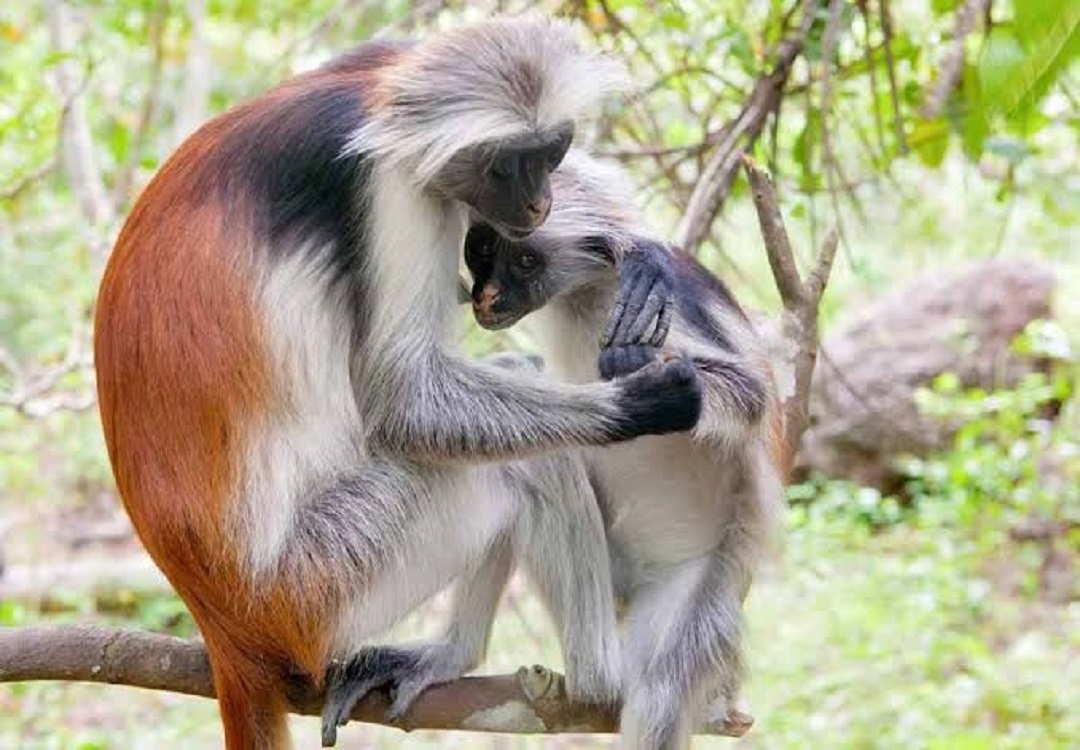
- Red colobus monkeys
- Grey-cheeked mangabeys
Other Mammals
- Duikers
- Bush pigs
- Warthogs
- Bushbucks
- Forest elephants
- African buffaloes
- Giant forest hogs
- Several species of small forest mammals
The Chimpanzee Experience
Chimpanzee tracking is Kibale’s signature wildlife activity. Visitors follow habituated chimpanzee communities through the forest while observing their feeding, communication, movement and social behavior.
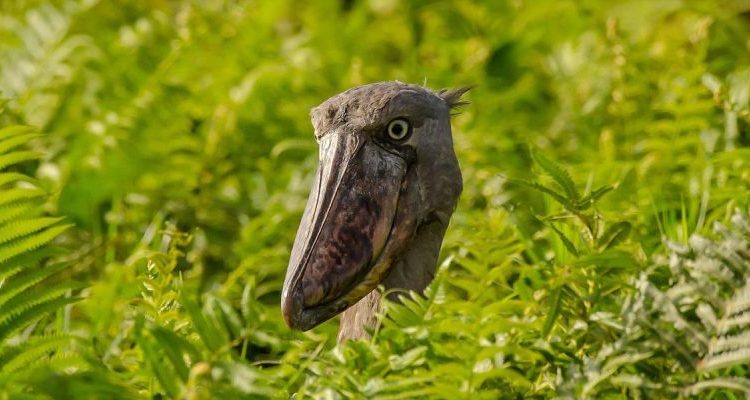
Kibale National Park is one of Uganda’s most important birdwatching destinations, particularly for travelers interested in the birds of the Albertine Rift (More than 372 forest bird species).
Notable Bird Species
Some of the most sought-after species include:
African Pitta, Green-breasted Pitta, Black Bee-eater, Kibale Ground Thrush, Brown-breasted Alethe, Blue-breasted Kingfisher, Crowned Eagle, Eastern Nicator, Yellow-rumped Tinkerbird, Abyssinian Ground Thrush, Dusky Crimsonwing, Blue-headed Sunbird, Purple-breasted Sunbird, Collared Apalis, Black-capped Apalis, Red-faced Woodland Warbler, White-bellied Crested Flycatcher, White-naped Pigeon, Papyrus Gonolek, Western Green Tinkerbird and other birds species.
MAJOR ATTRACTIONS & ACTIVITIES WITHIN KIBALE NATIONAL PARK
The best attraction at Kibale National Park
Chimpanzees
- Kibale’s most famous attraction is its large population of wild chimpanzees. Visitors can observe habituated communities moving through the forest, feeding, communicating and interacting socially.
Primate Diversity
- The park is home to 13 primate species, including red colobus, black-and-white colobus, red-tailed monkeys, L’Hoest’s monkeys, blue monkeys and Uganda mangabeys.
Major Activities
Activities within the park.
- Birdwatching
- Primate Watching
- Night Forest Walks
- Chimpanzee Trekking
- Chimpanzee Habituation Experience
- Research & Conservation Experiences
Activities outside the park.
- Cultural Tours
- Rwenzori Hiking & Trekking
THE BEST TIME TO VISIT KIBALE NATIONAL PARK
Kibale National Park can be visited throughout the year, particularly because the mountain gorillas and other forest wildlife remain in the park year-round. However, the experience varies considerably with rainfall, trail conditions, temperature and forest conditions. Uganda Wildlife Authority identifies June – August and December – February as the main drier periods, while Kibale itself can receive rain at almost any time because of its high-altitude rainforest environment.
June – September: Dry Season
- More favorable periods for gorilla trekking. Rainfall is generally lower, which can make the steep and often muddy forest trails more manageable. The forest remains green throughout the year, so visitors still experience the characteristic lush rainforest scenery. June and July are among the cooler months in Kibale, with UWA noting that temperatures can be particularly cool during this period. Warm layers and rain protection are still important because weather can change quickly.
December – February: Another Dry Period
- The second relatively dry season. These months can provide favorable conditions for gorilla trekking, nature walks and birdwatching. The forest is still lush and humid, but reduced rainfall can make some trails easier to navigate compared with the wetter periods. Uganda Wildlife Authority identifies December – February as one of Uganda’s main dry seasons for primate tracking and wildlife viewing.
- This period is particularly useful for travelers combining Bwindi with other Ugandan destinations such as Queen Elizabeth National Park, or Lake Bunyonyi.
March – May: Long Rainy Season
- Generally, the wetter period, with March – May identified by UWA as the extended rainy season. Rain can make Kibale’s steep forest trails muddy and slippery, and trekking conditions can become more demanding.
October – November: Short Rainy Season
Generally, receives another period of short rainfall. UWA’s environmental assessment describes August – September as a shorter rainy period, while other climatic sources identify heavier rainfall extending into October – November.
DRIVE TIME TO KIBALE NATIONAL PARK
- Kampala to Kibale National Park: 5 hours
- Kibale to Queemn Elizabeth National Park: 2 hours
- Kibale to Rwenzori Mountains National Park: 2 hours
- Kibale to Bwindi Impenetrable National Park: 5 hours
Typical route: Kamala → Kibale National Park
Kampala → Mityana → Mubende → Fort Portal → Kibale National Park
RELATED SAFARI'S!

8 DAYS HIGHLIGHTS OF UGANDA: KIBALE - QUEEN ELIZABETH & BWINDI
The best combination of East Africa lead of exploring the incredible wildlife of Kenya and Tanzania before unwinding on the white sandy beaches of Zanzibar....
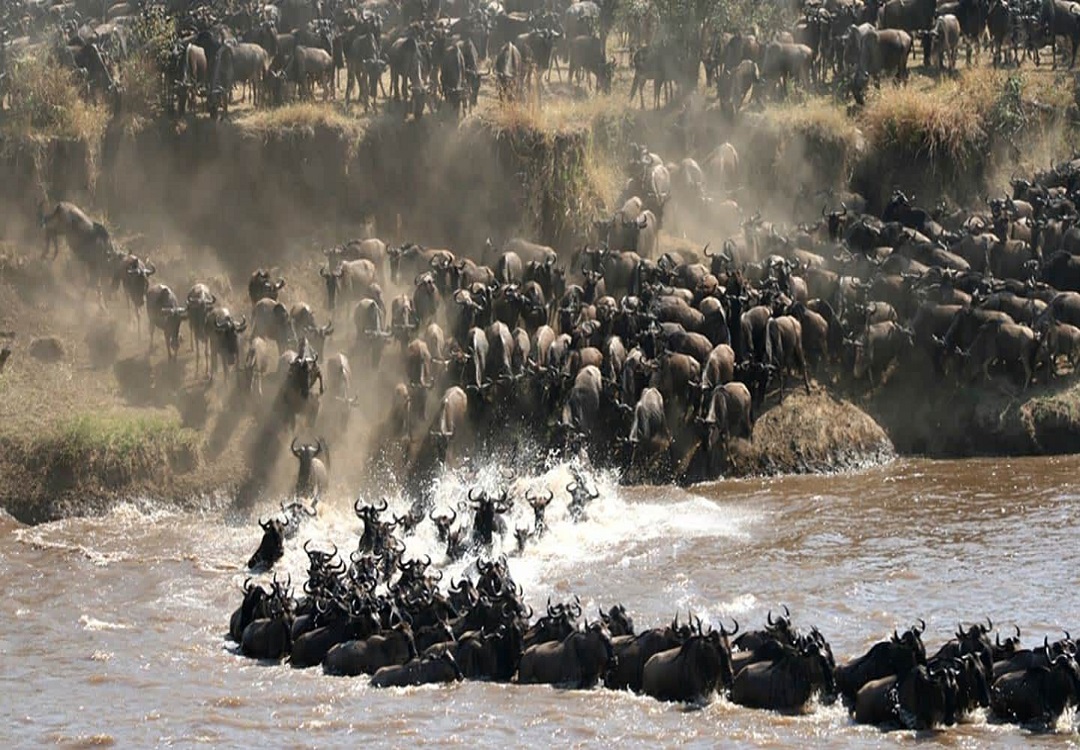
8 DAYS MASAI MARA GREAT MIGRATION & BWINDI GORILLA TREKKING SAFARI
The best combination of East Africa lead of exploring the incredible wildlife of Kenya and Tanzania before unwinding on the white sandy beaches of Zanzibar....
10 DAYS ULTIMATE UGANDA SAFARI: BWINDI - QUEEN ELIZABETH & KIBALE
The perfect moment for experiencing the best of Tanzania’s wildlife and landscapes in absolute comfort. Experiencing a Hot air balloon safari over the Serengeti...
Get In Touch
Its never too soon or too late to get in touch, we are always eager to help out