 info@mupanatours.com Blog
 +255714055829
DISCOVER MIKUMI NATIONAL PARK
Discover the most Tanzania’s accessible wildlife destinations, where vast open savannahs, woodland, wetlands and seasonal plains create a spectacular setting for unforgettable safari. Explore the famous Mkata River Floodplain, where animals and of birds species thrive.
MIKUMI NATIONAL PARK!
THE BEST OF MIKUMI NATIONAL PARK
MIKUMI NATIONAL PARK
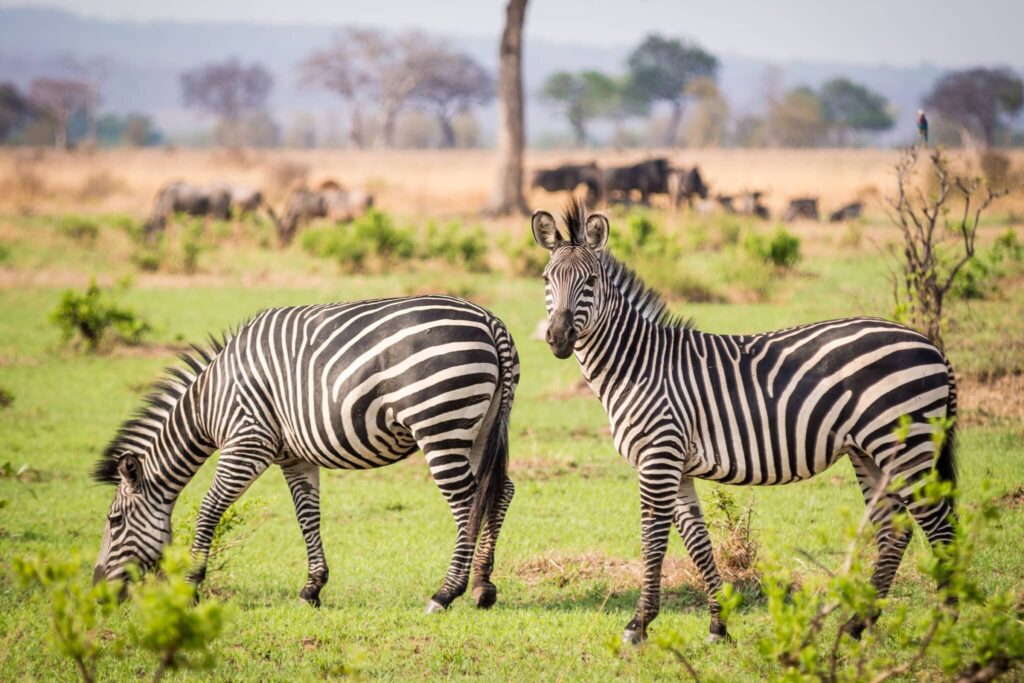
The park located in southeastern Tanzania, in the Morogoro Region, approximately 280–300 km west of Dar es Salaam. It forms part of the larger Selous–Nyerere ecosystem and will be one among Tanzania’s most accessible wildlife destinations from Dar es Salaam. The park covers approximately 3,230 km² and is dominated by the spectacular Mkata River floodplain, surrounded by wooded hills, savannah and seasonal wetlands. Its open plains make it particularly attractive for wildlife viewing, while the surrounding woodland provides habitat for numerous species.
The park also part of the broader Southern Tanzania safari circuit, making it possible to combine a visit with destinations such as Nyerere National Park (formerly Selous) and Udzungwa Mountains National Park.
WILDLIFE FOUND IN MIKUMI NATIONAL PARK
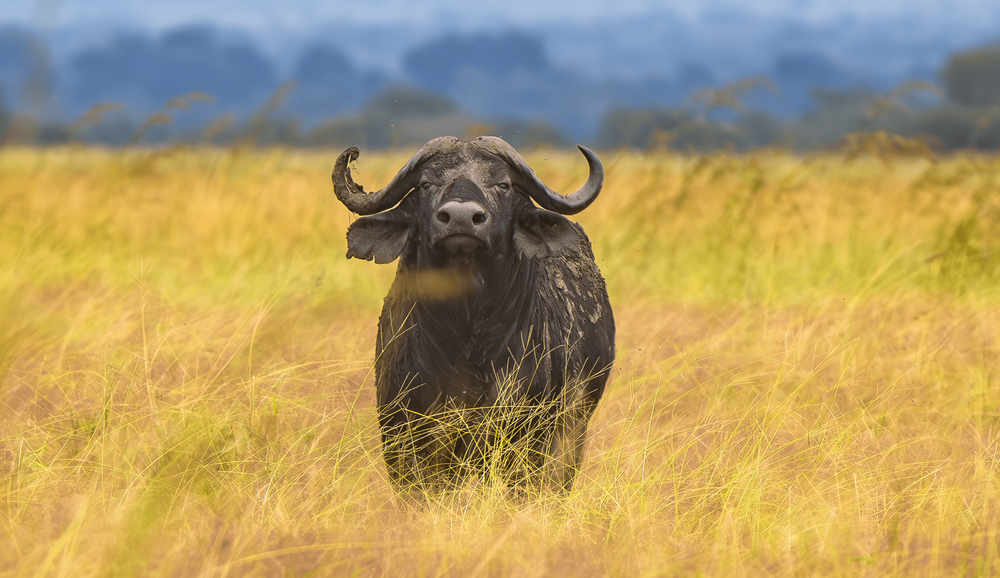
Mikumi supports an impressive variety of wildlife, making it an excellent destination for travelers seeking an authentic African safari adventure.
Wildlife commonly encountered includes:
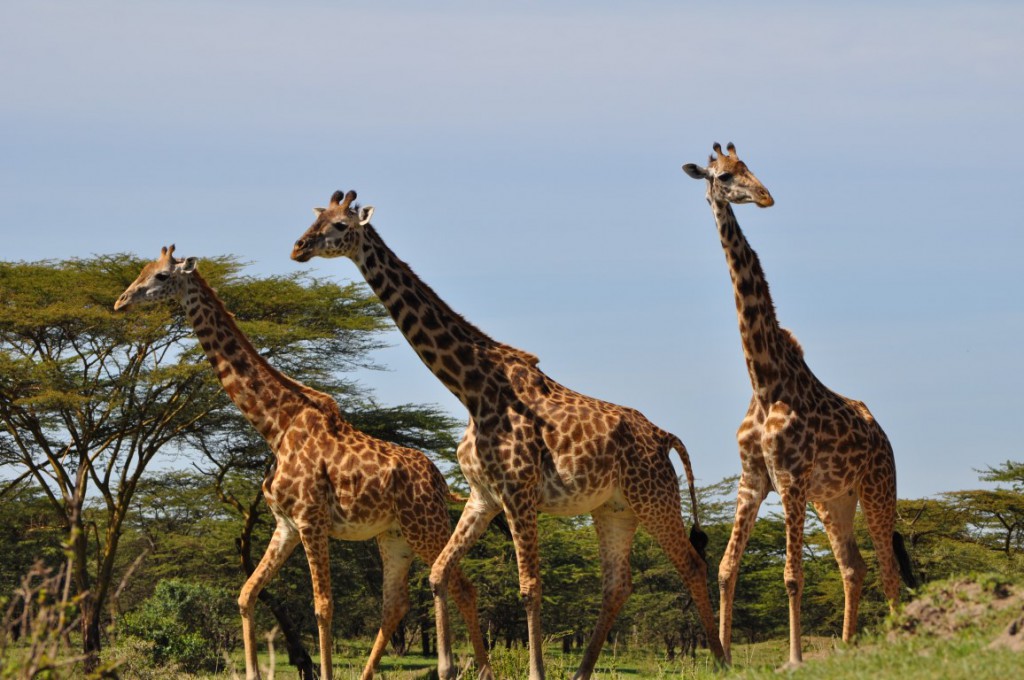
- Giraffes
- Zebras
- Impalas
- Elands
- Warthogs
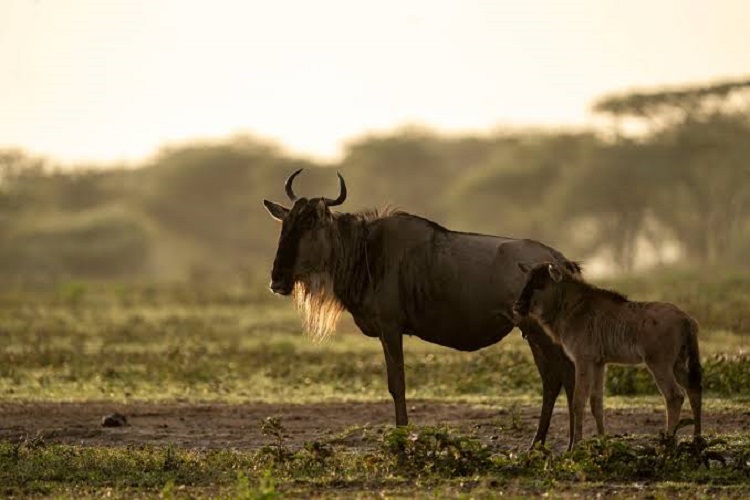
- Wildebeest
- Waterbucks
- Greater kudu
- Hippopotamuses
- African buffaloes
- Baboons and other primates
- African wild dogs, although sightings are less predictabl
The Herbivores & Predators
The combination of open plains and woodland makes it possible to encounter both large herbivores and predators during the same safari.
Birdlife
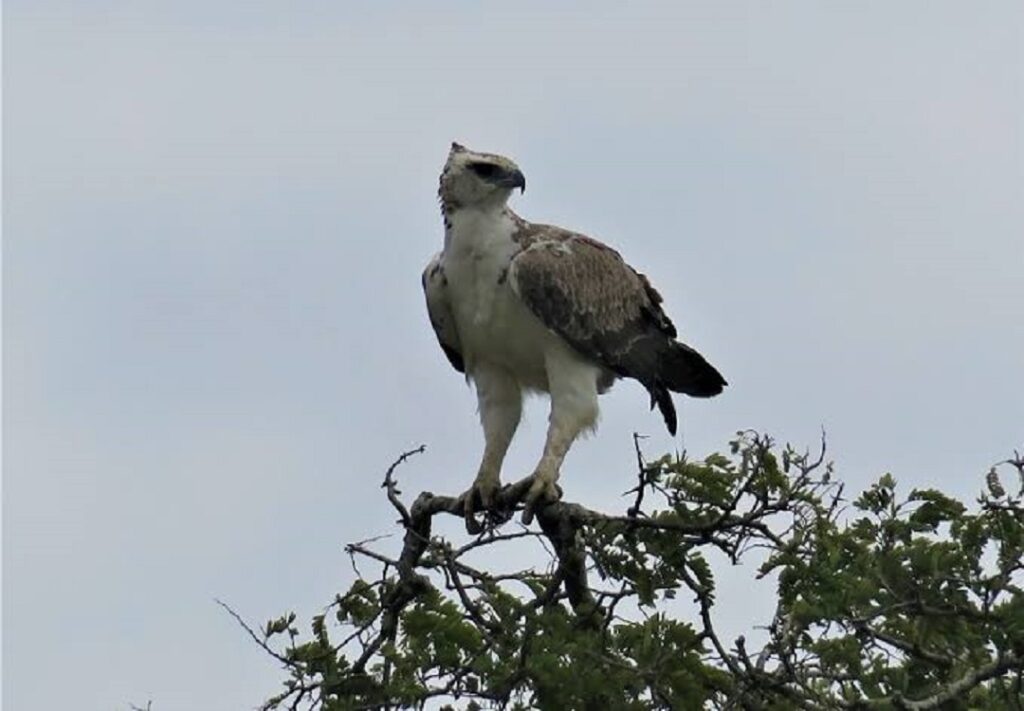
Mikumi is also an excellent destination for birdwatching, with a remarkable diversity of bird species.
Visitors may encounter:
- Storks
- Rollers
- Weavers
- Hornbills
- Bee-eaters
- Waterbirds
- Guinea fowl
- Herons and egrets
- Eagles and other birds of prey
- Owls and other nocturnal species
The combination of wetlands, woodland and open grassland creates habitats for a wide variety of resident and migratory birds.
MAJOR ATTRACTIONS & ACTIVITIES WITHIN MIKUMI NATIONAL PARK
Activities within the park.
- Bird watching safari
- Wildlife game drive
- Photographic safari
Activities outside the park.
- Maasai Village vist
- Morogoro city tour
- Uluguru Mountain Trekking
THE BEST TIME TO VISIT MIKUMI NATIONAL PARK
The park can be visited throughout the year, but the best time depends on what you want to experience. For travelers whose priority is wildlife viewing and large elephant herds, the dry season from June to October is generally the most rewarding period.
Best time according to Moth’s
July – September
- Best overall period for wildlife viewing
June & October
- Excellent wildlife with seasonal advantages
November – February
- Best for green landscapes, birdlife and a quieter atmosphere
March – May (April – rain season)
- Best for travelers seeking a quieter and greener friendly safari
The best time to experience Mikumi National Park is from June to October, when the dry season brings wildlife closer to the Mkata River. Witness magnificent elephant herds, lions, giraffes, zebras, buffaloes and diverse birdlife against a spectacular backdrop of ancient baobabs and golden savannah. For a greener landscape and abundant birdlife, the months following the rains offer a beautiful alternative.
DRIVE TIME TO MIKUMI NATIONAL PARK
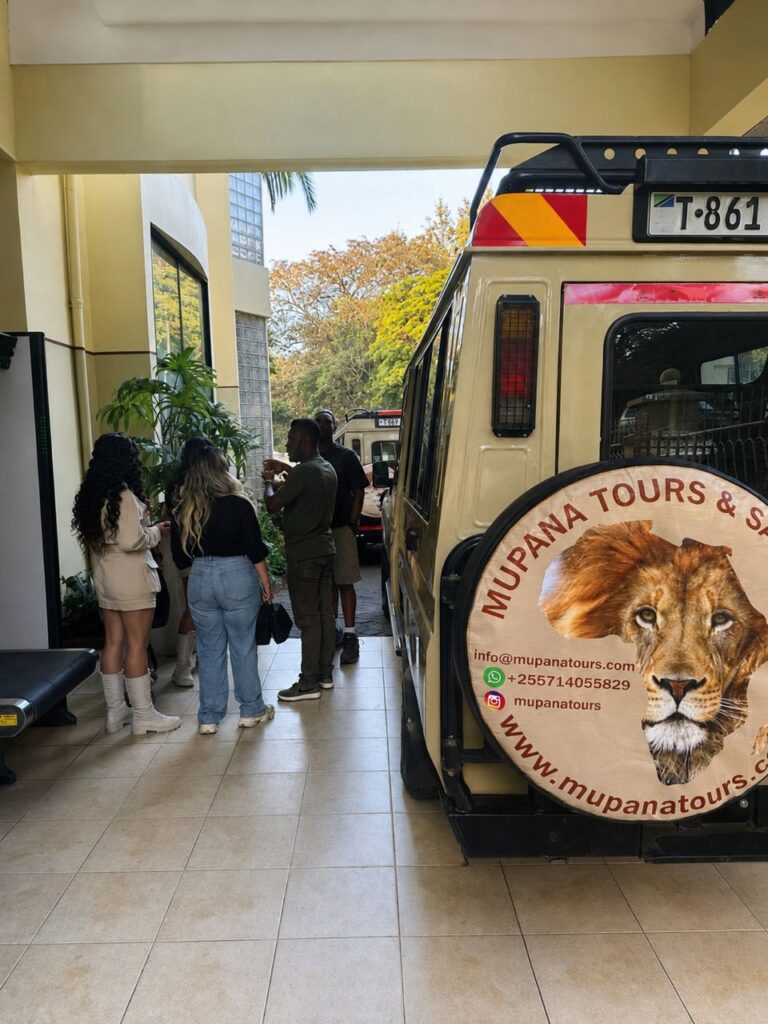
- Dar es Salaam to Mikumi National Park: 4.5 hours
- Morogoro to Mikumi National Park: 2 hours
- Mikumi to Nyerere National Park: 6 hours
Typical Route: Dar es Salaam → Mikumi National Park
Dar es Salaam → Chalinze → Morogoro → Mikumi Gate
RELATED SAFARI'S!
Watch hundreds of thousands of wildebeest, accompanied by zebras and other herbivores, cross vast savannahs in search of fresh grazing, braving dramatic river crossings and powerful predators including crocodiles along the way. Happened at the Northern part of Serengeti - Kogatende through Mara river.
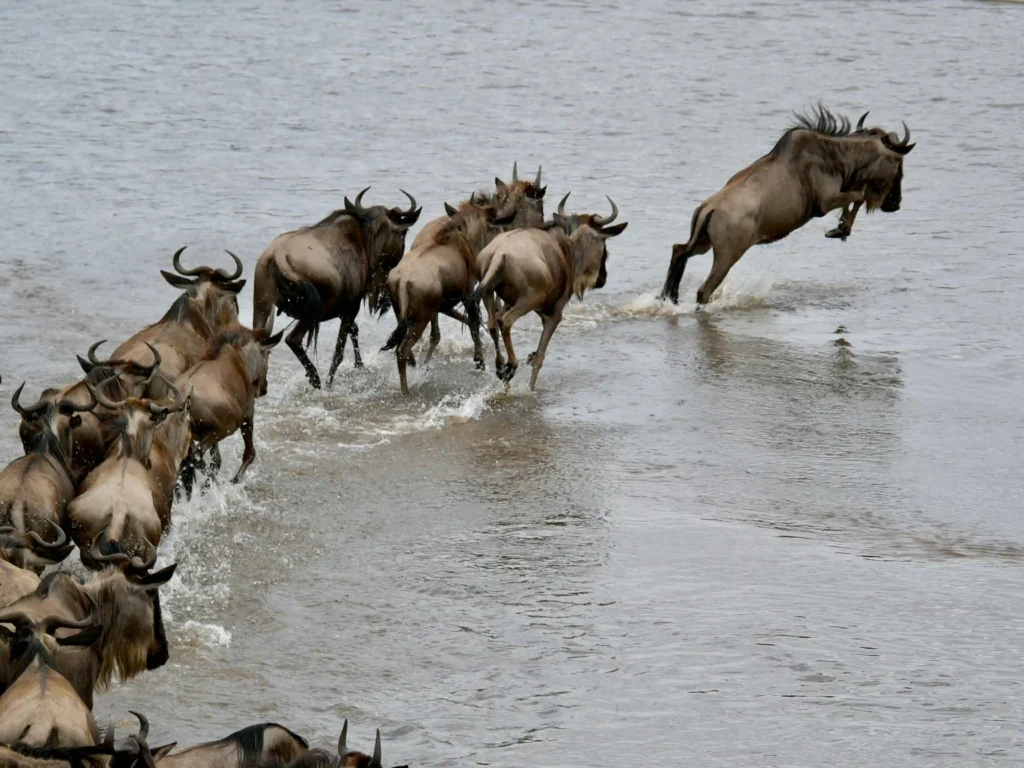
Experience the magic of the Great Migration calving season in the Southern Serengeti, especially around the Ndutu Plains. From January to March, vast herds of wildebeest gather on the green plains, with thousands of newborn calves taking their first steps. Witness incredible scenes of birth, survival, and predator action.
Experience the ultimate Tanzania adventure combining the breathtaking Great Migration Safari with the tropical beauty of Zanzibar. Witness vast herds of wildebeest and zebras across the Serengeti, then unwind on Zanzibar’s pristine beaches with crystal-clear waters, island excursions, snorkeling, and unforgettable sunsets.
Get In Touch
Its never too soon or too late to get in touch, we are always eager to help out