 info@mupanatours.com Blog
 +255714055829
DISCOVER MOUNT KENYA NATIONAL PARK
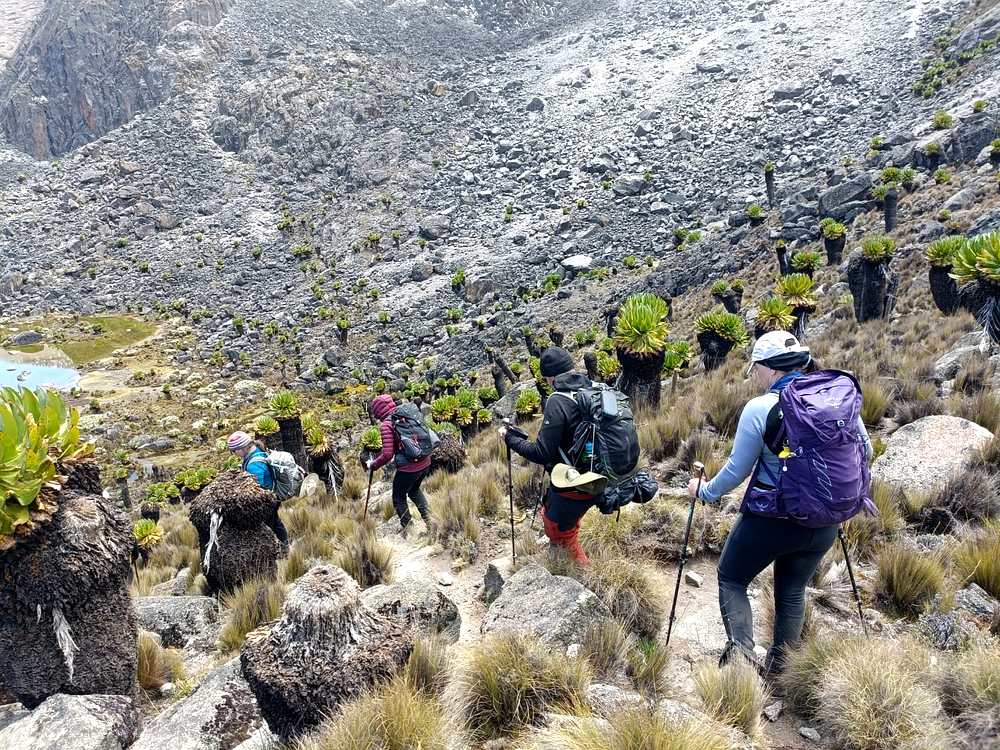
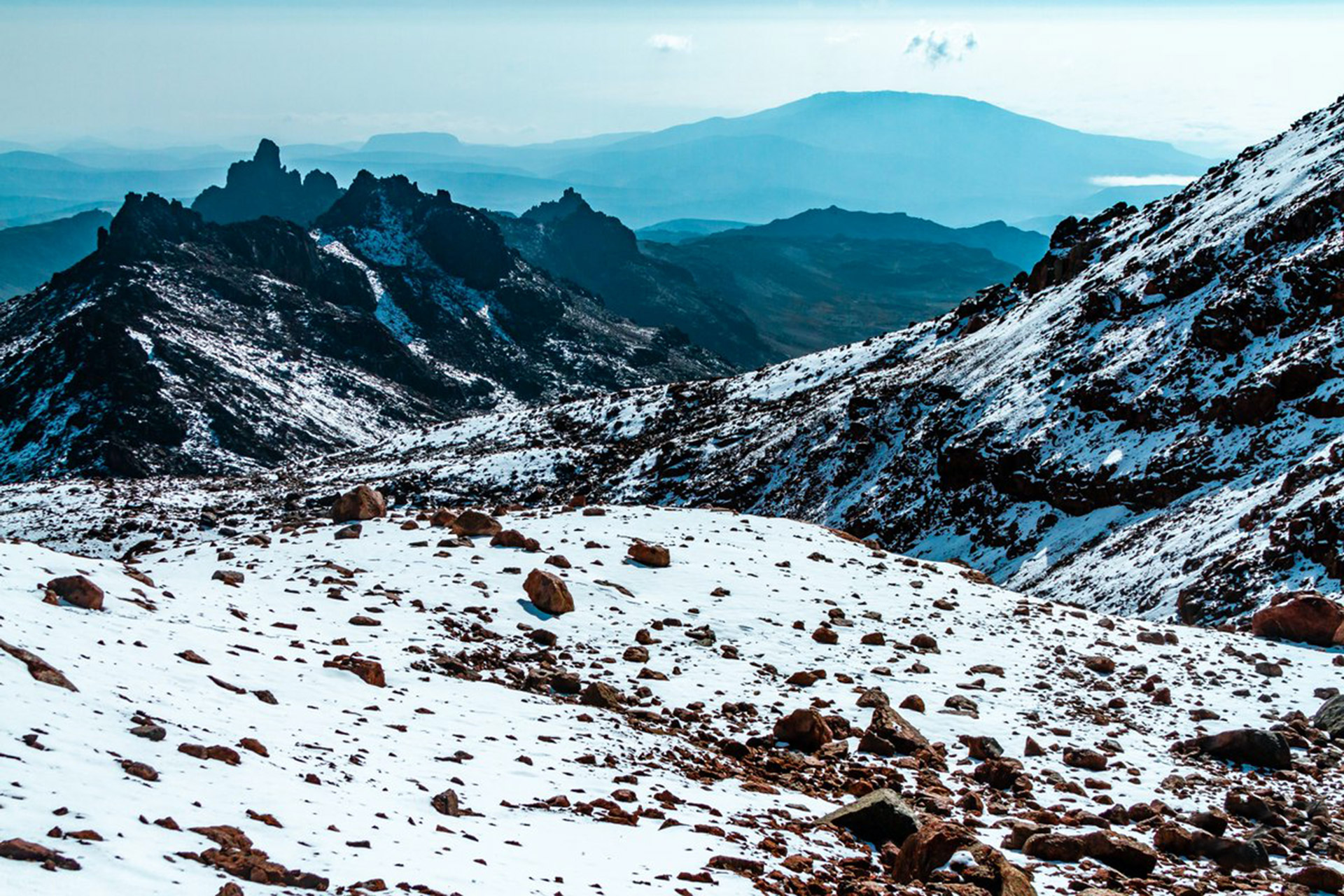
Explore the UNESCO World Heritage Site and its dramatic volcanic peaks, including Batian, Nelion and Point Lenana. Its upper slopes feature distinctive alpine landscapes, rocky cliffs, glaciers and high-altitude valleys, while the lower elevations are covered by montane forests and bamboo zones.
MOUNT KENYA NATIONAL PARK!
THE BEST OF MOUNT KENYA NATIONAL PARK
MOUNT KENYA NATIONAL PARK
Mount Kenya is located at Northeast of Nairobi and about 480 km from Kenya’s coast. The mountain lies within a landscape of forests, alpine moorlands, valleys and surrounding agricultural and wildlife areas. Mount Kenya notable as Kenya’s most important natural landmarks and the second-highest mountain in Africa after Mount Kilimanjaro. It is an ancient extinct volcano located in central Kenya, straddling the equator. Its highest summit, Batian, reaches 5,199 metres (17,057 feet) above sea level, while the nearby Nelion summit rises to 5,188 metres.
The Mount Kenya National Park covers approximately 715 km² (71,500 hectares). The wider Mount Kenya National Park/Natural Forest UNESCO World Heritage property is considerably larger, covering about 202,334 hectares, including associated conservation areas incorporated into the World Heritage property.
The surrounding Mount Kenya Forest Reserve was gazetted in 1932 to protect the mountain’s forest ecosystem. Mount Kenya National Park was established in 1949, initially protecting the high-altitude areas of the mountain. Extensions were later made, including the Sirimon and Naro Moru areas in 1968. Mount Kenya was designated a UNESCO Biosphere Reserve in 1978 and was inscribed on the UNESCO World Heritage List in 1997 because of its exceptional landscapes and ecological importance. In 2013, the World Heritage property was extended to include the Lewa Wildlife Conservancy and Ngare Ndare Forest Reserve, strengthening ecological connectivity around the mountain
WILDLIFE FOUND IN MOUNT KENYA NATIONAL PARK
Aberdare National Park’s combination of montane forests, bamboo forests, moorlands, valleys and wetlands create habitats for a remarkable variety of wildlife.
Wildlife commonly encountered includes:
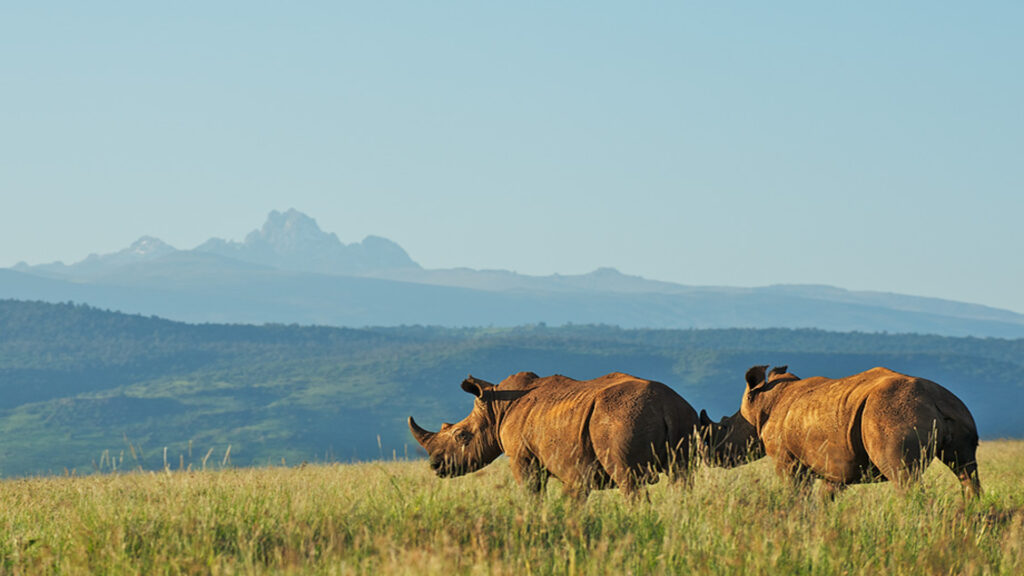
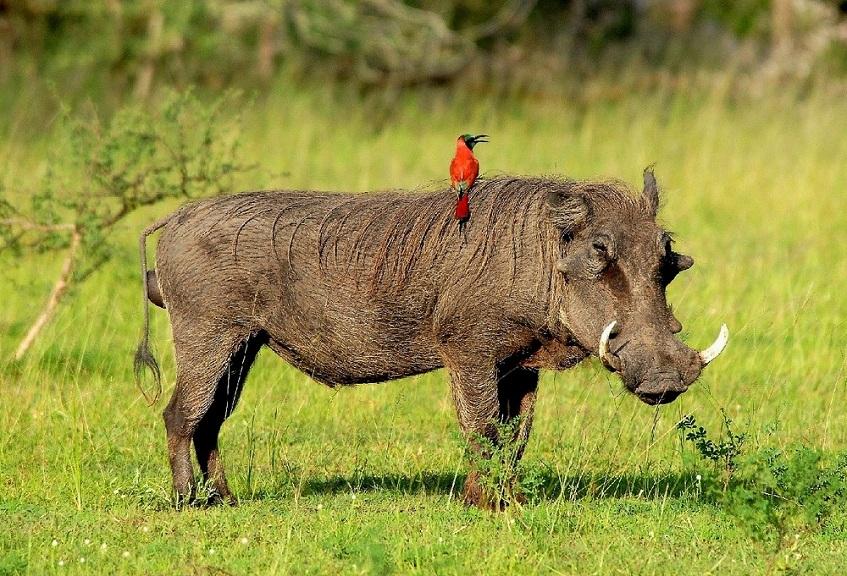
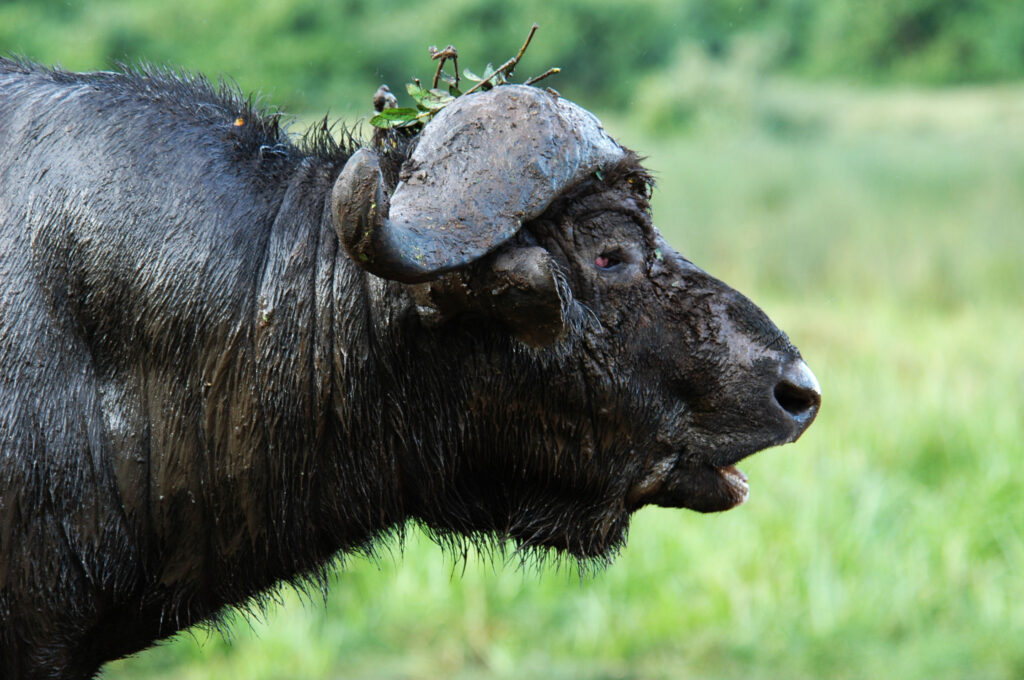
- African elephant, Black rhinoceros, Cape buffalo, Leopard, Lion, African wild dog, Common eland, Waterbuck, Bushbuck, Duiker, Bongo, Black-and-white colobus monkey, Sykes’ monkey, Olive baboon, Warthog, Hyena and Serval including other animal species.
The park is particularly important for the Eastern bongo, a rare forest antelope that prefers dense mountain forest and bamboo habitat.
Birdlife
Mount Kenya is also an excellent destination for birdwatching, with a remarkable diversity of bird species.
Aberdare extensive birdlife includes:
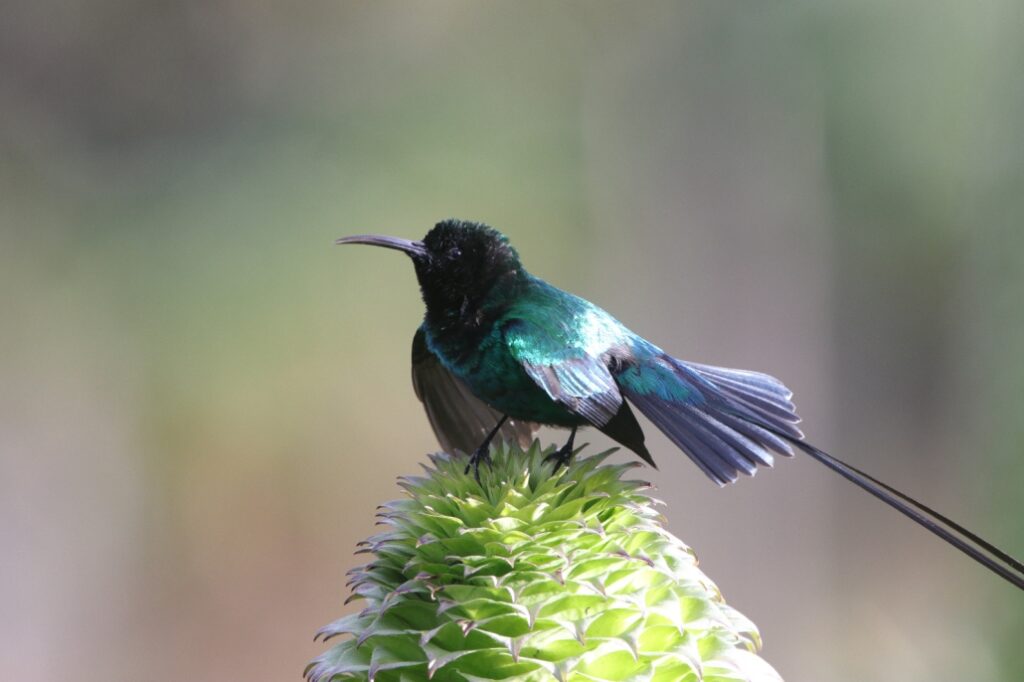
- Jackson’s francolin, Hartlaub’s turaco, Rüppell’s long-tailed starling, African crowned eagle, Mountain buzzard, Augur buzzard, African goshawk, Mountain buzzard, Olive pigeon, Bar-throated apalis, Malachite sunbird, Tacazze sunbird, Eastern double-collared sunbird, Variable sunbird, White-starred robin, Mountain yellow warbler, Cape robin-chat, Abyssinian crimson wingand other birds species.
The combination of wetlands, woodland and open grassland creates habitats for a wide variety of resident and migratory birds.
MAJOR ATTRACTIONS & ACTIVITIES WITHIN MOUNT KENYA NATIONAL PARK
Karuru Waterfalls
One of the park’s most impressive natural attractions, Karuru Falls drops dramatically through the forest and offers excellent opportunities for photography and scenic walks.
Activities within the park.
- Nature Walks
- Birdwatching
- Wildlife Viewing
- Scenic Viewpoints
- Mountain Camping
- Exploring Mountain Lakes
- Mountain Climbing & Trekking
Activities outside the park
- Cultural Experiences Around Mount Kenya
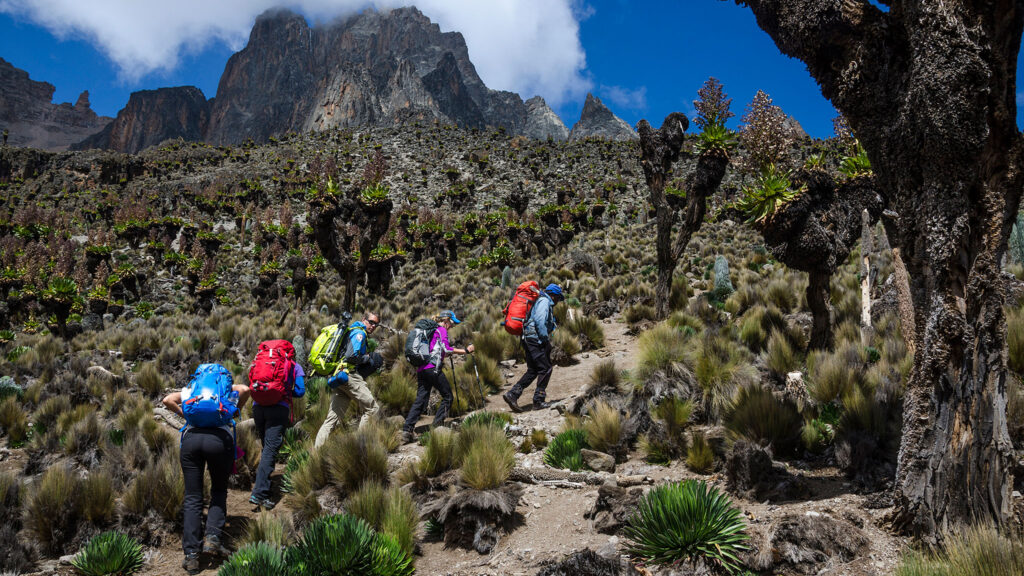
Mount Kenya National Park offers an unforgettable combination of mountain adventure, wildlife and natural beauty. Trek through diverse ecological zones toward Point Lenana, camp beneath spectacular mountain skies, explore forests and alpine landscapes, and encounter wildlife. Birdwatching, photography, scenic viewpoints, high-altitude lakes and cultural experiences around the mountain add further opportunities to explore one of Kenya’s most remarkable natural destinations.
ROUTES FOR MOUNT KENYA CLIMBING & TREKKING
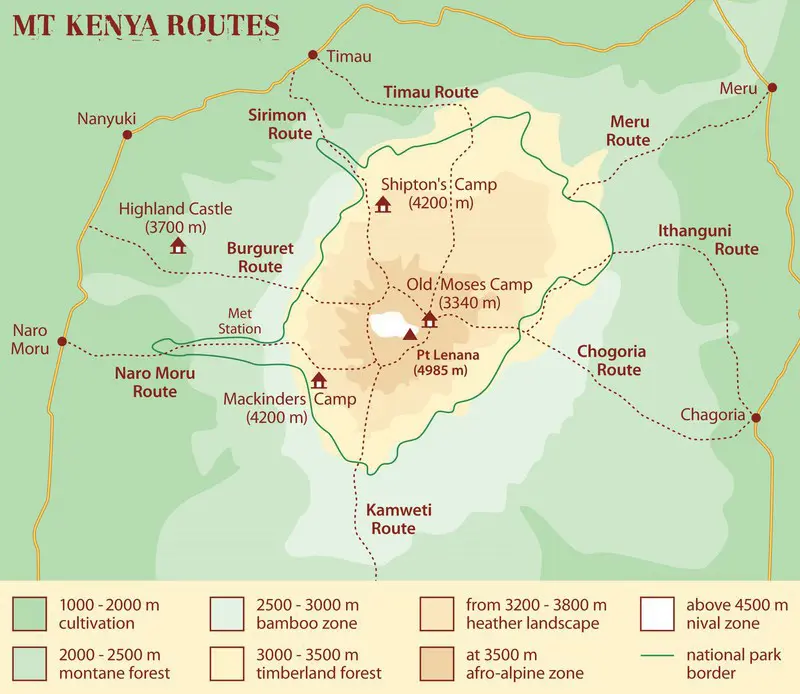
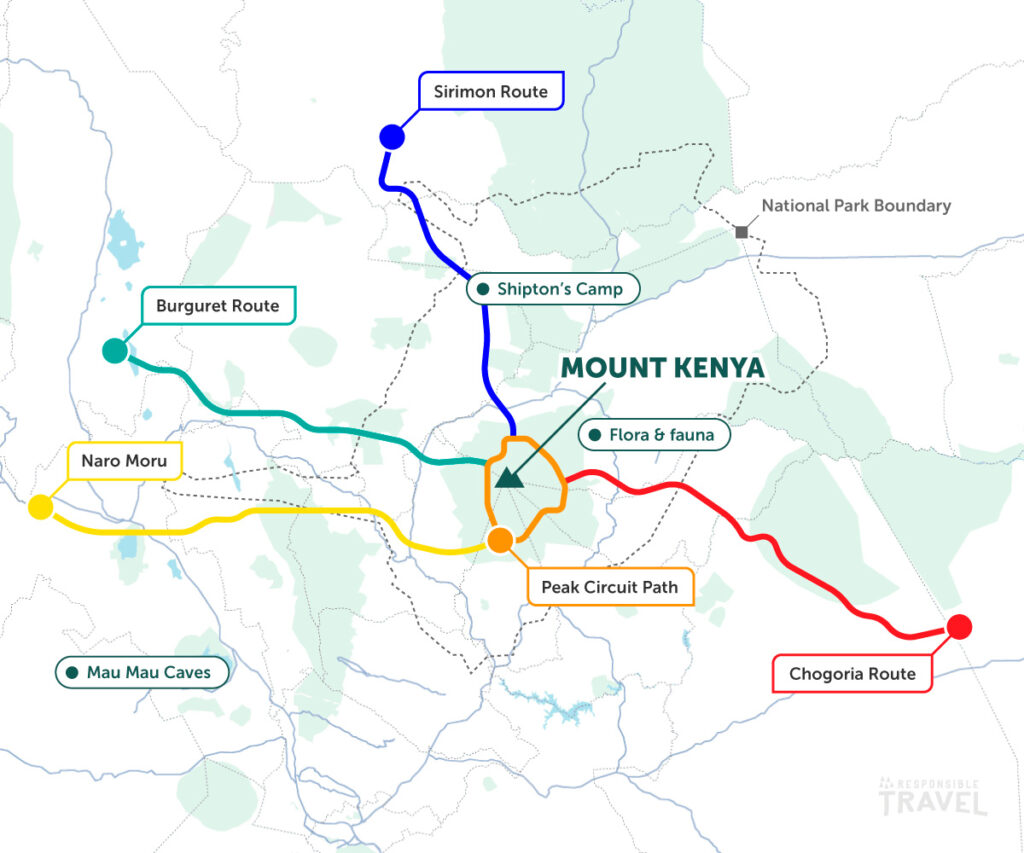
Mount Kenya has three principal trekking/climbing routes: Naro Moru, Sirimon and Chogoria. Each offers a different experience in terms of scenery, terrain, difficulty and approach to the summit.
Naro Moru Route:
The Naro Moru Route is one of the most established routes and provides a relatively direct approach toward Point Lenana (4,985 m).
Typical route:
Naro Moru Gate → Met Station → Mackinder’s Camp → Austrian Hut → Point Lenana
- Known for its relatively direct ascent
- Passes through forest, moorland and the Teleki Valley
- Good option for trekkers seeking a straightforward route
- Can be combined with another route for a circuit trek
Sirimon Route
The Sirimon Route approaches Mount Kenya from the northwest and is known for its scenic landscapes and gradual ascent.
Typical route:
Sirimon Gate → Old Moses Camp → Shipton’s Camp → Point Lenana
- Generally, offers a more gradual ascent
- Passes through forest, bamboo and high-altitude moorland
- Excellent views of the northern side of Mount Kenya
- Popular for acclimatization-focused trekking
Chogoria Route
The Chogoria Route approaches the mountain from the eastern side and is particularly famous for its spectacular scenery.
Typical route:
Chogoria Gate → Meru Bandas → Lake Ellis → Minto’s Hut → Point Lenana
Highlights include Lake Ellis, Gorges Valley, Vivien Falls and spectacular views toward the mountain’s peaks.
- Excellent for scenic trekking
- Offers dramatic valleys, cliffs, lakes and waterfalls
- Often combined with Sirimon for a Chogoria–Sirimon traverse
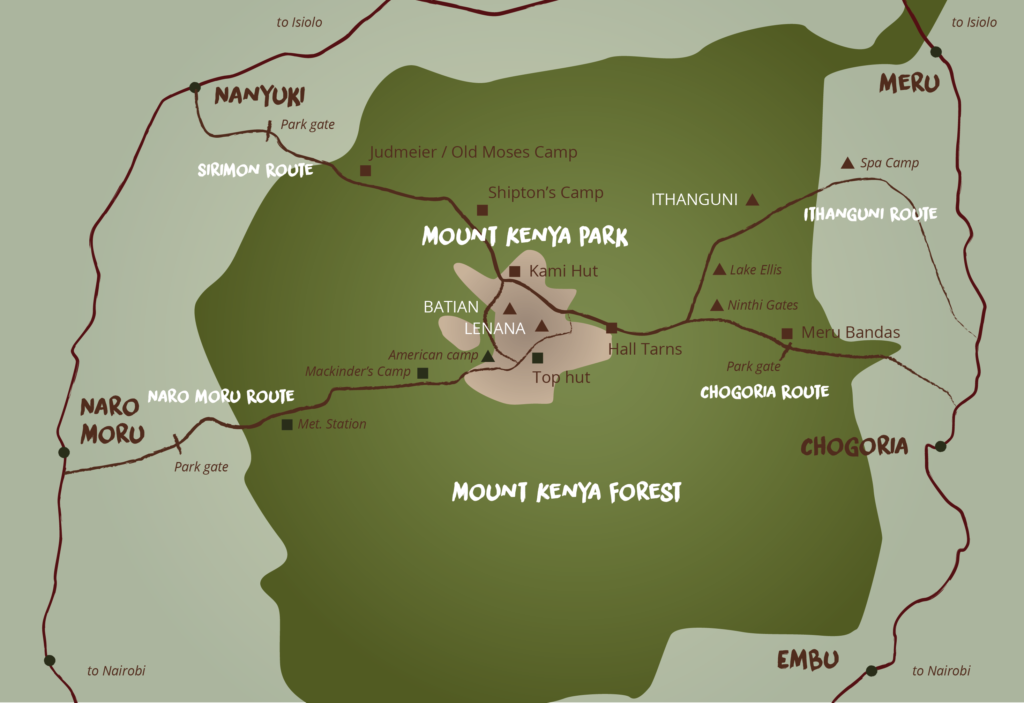
POPULAR CIRCUIT FOR CLIMBING & TREKKING MOUNT KENYASIRIMON & CHOGORIA CIRCUIT
The Sirimon – Chogoria Circuit is a popular way to experience Mount Kenya because it allows trekkers to ascend on one side of the mountain and descend on another, providing a varied and scenic journey.
Trekkers typically ascend via the Sirimon Route, passing through beautiful montane forests, bamboo zones, high-altitude moorlands and dramatic valleys before reaching the higher mountain environment. The route provides a gradual approach that is well suited to acclimatization.
After reaching the summit area and, for most trekkers, Point Lenana (4,985 m), the descent follows the Chogoria Route on the eastern side. This side is particularly famous for its spectacular scenery, including Lake Ellis, Gorges Valley, waterfalls, giant rock formations and expansive views across the mountain landscape.
HOW HARD IS CLIMBING & TREKKING MOUNT KENYA?
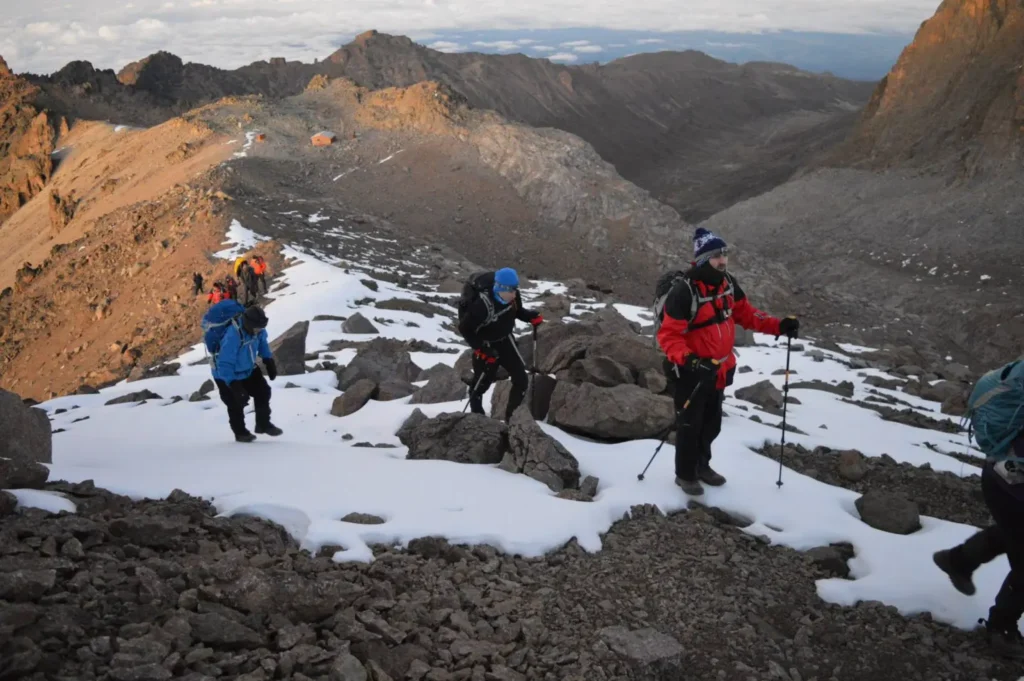
Mount Kenya offers different levels of difficulty, depending on whether you are trekking to Point Lenana or technically climbing the higher summits of Batian and Nelion. It is important to distinguish these because reaching Point Lenana is a demanding high-altitude trek, while Batian and Nelion are technical mountaineering objectives.
Difficulty Summary
Objective | Difficulty | Skills required |
Lower mountain hikes | Moderate | Basic hiking |
Point Lenana | Challenging | Good fitness + high-altitude trekking |
Point Lenana via longer route | Challenging | Fitness + acclimatization |
Nelion | Technical/Very challenging | Rock climbing + mountaineering |
Batian | Technical/Very challenging | Advanced climbing experience |
WHO CAN TREK TO POINT LENANA?
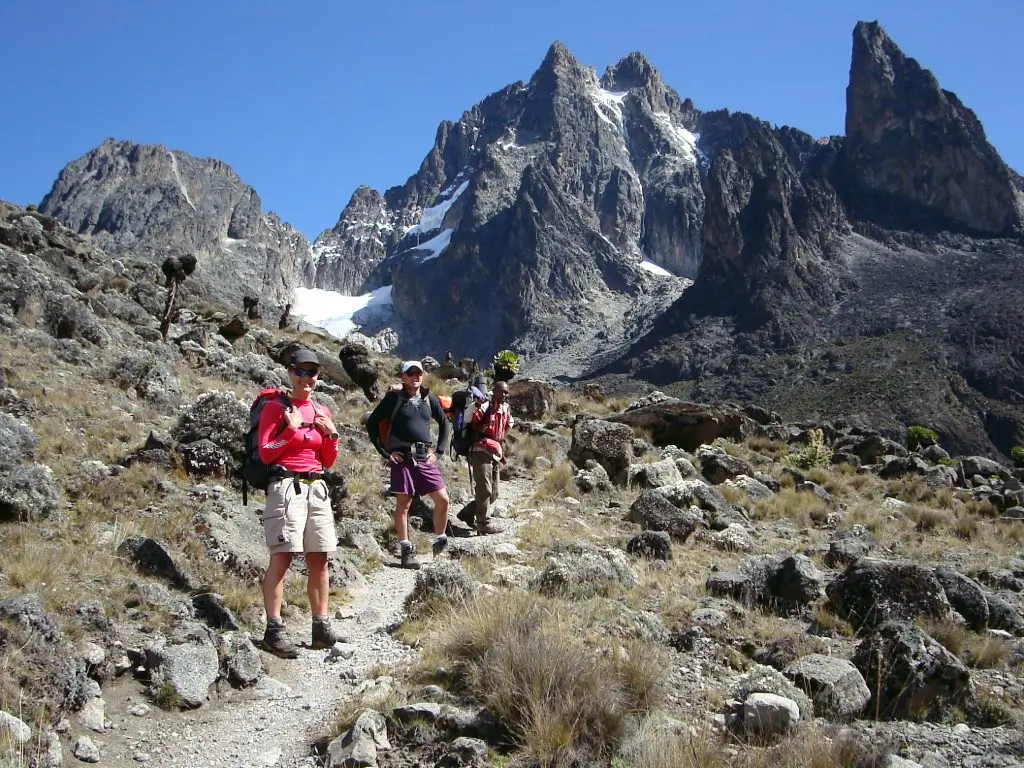
You do not need to be an elite athlete, but you should have a good level of cardiovascular fitness and be comfortable walking for several hours over consecutive days.
Preparation can include:
- Long-distance walking and hiking
- Hill or stair training
- Cardiovascular exercise
- Strength training for legs and core
- Practice hiking with a backpack
- Training on uneven terrain
- Gradual acclimatization before reaching high altitude
Fitness helps, but it does not eliminate altitude-illness risk. People can develop altitude sickness regardless of their fitness level.
THE BEST TIME TO VISIT & TREKKING MOUNT KENYA – NATIONAL PARK
Mount Kenya National Park can be visited throughout the year, but the best period depends on whether your main interest is mountain trekking, climbing, wildlife, photography or birdwatching. Because of the mountain’s altitude, weather conditions can change quickly, and the higher elevations are considerably colder and wetter than the lower forest zones. Kenya Wildlife Service recommends visitors carry warm clothing and appropriate hiking or mountaineering equipment.
Best time according to Moth’s
January – February: Excellent for trekking
- Generally, among the most favorable months for mountain trekking and climbing. Conditions are often relatively dry, giving hikers better opportunities for clear views of the peaks, valleys, glaciers and surrounding landscapes.
March – May: Long rains
- The periods include Kenya’s main long-rain season. Rain, cloud and wet trails can make trekking more challenging, particularly at higher elevations. However, the rainy period brings lush vegetation, flowing streams, green forests and dramatic mountain scenery, making it attractive for nature lovers and photographers who don’t mind variable weather. KWS notes that April–June is generally the long-rain period in Kenya.
June – September: Good dry season conditions
- Generally, provides another favorable period for exploring Mount Kenya. The weather is cooler at altitude, and comparatively drier conditions can make mountain trails more manageable. This period is well suited to travelers interested in trekking, mountaineering, wildlife viewing in the lower forests and photography. Kenya Wildlife Service identifies July–December as part of a generally favorable high season for park activities, although mountain conditions differ from lowland safari parks.
October – December: Short rains
- The periods bring the short rains. Conditions can vary considerably from day to day, with periods of sunshine mixed with cloud and rainfall. The landscape becomes greener, and the lower forest areas can be particularly attractive for nature walks, birdwatching and wildlife observation. For serious summit trekking, however, weather forecasts and current trail conditions should be checked before departure.
Mount Kenya National Park is a year-round destination, but the drier periods, particularly January – February and June – September, generally provide more favorable conditions for trekking, climbing and enjoying clear mountain views. The rainy seasons bring lush forests, vibrant vegetation and dramatic scenery, while also creating more challenging trail conditions.

DRIVE TIME TO ABERDARE NATIONAL PARK
- Naro Moru Gate: About 188 km, approximately 3½ hours
- Sirimon Gate: About 200 km, approximately 4 hours
- Chogoria Gate: About 210 km, approximately 4½ hours
Typical route: Nairobi → Mount Kenya National Park
Nairobi → Thika → Karatina → Nanyuki → Mount Kenya National Park
RELATED TREK'S!
Watch hundreds of thousands of wildebeest, accompanied by zebras and other herbivores, cross vast savannahs in search of fresh grazing, braving dramatic river crossings and powerful predators including crocodiles along the way. Happened at the Northern part of Serengeti - Kogatende through Mara river.
Experience the magic of the Great Migration calving season in the Southern Serengeti, especially around the Ndutu Plains. From January to March, vast herds of wildebeest gather on the green plains, with thousands of newborn calves taking their first steps. Witness incredible scenes of birth, survival, and predator action.
Experience the ultimate Tanzania adventure combining the breathtaking Great Migration Safari with the tropical beauty of Zanzibar. Witness vast herds of wildebeest and zebras across the Serengeti, then unwind on Zanzibar’s pristine beaches with crystal-clear waters, island excursions, snorkeling, and unforgettable sunsets.
Get In Touch
Its never too soon or too late to get in touch, we are always eager to help out